While the Dubai coastline departure is striking, the long mid-flight cruise is dominated by featureless ocean on both sides, so the deciding factor is the arrival: the Melbourne CBD skyline and Port Phillip Bay on the right offer a more memorable and geographically clear finale than the desert views or Dandenong foothills on the left.
Flight Path
The route crosses the Arabian Sea, passes south of Sri Lanka, then traverses a vast stretch of the Indian Ocean before making landfall near Exmouth on Australia's northwest coast, followed by a long transit over the arid Great Sandy and Gibson Deserts of Western Australia en route to southeastern Australia.
Great circle distance and headings ›.jpg?width=600)
_and_the_Dubai_skyline_(25781049892).jpg?width=600)


Phase by phase
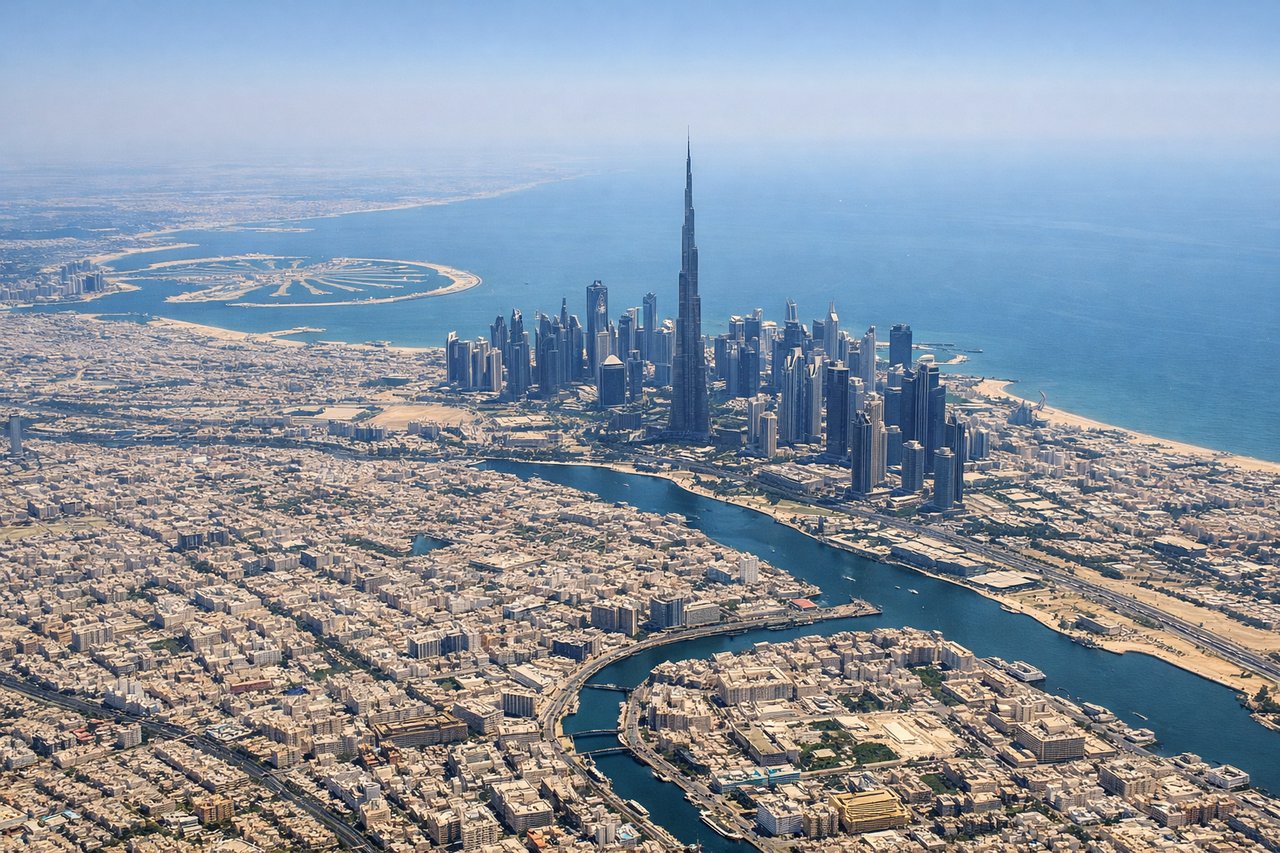
Takeoff from DXB
LEFTDeparting DXB on the southeast-facing runway, the left side offers views of the Dubai coastline including Palm Jumeirah, the Burj Al Arab, and the turquoise waters of the Persian Gulf as the aircraft climbs out. The right side only shows flat desert interior with little visual variety.
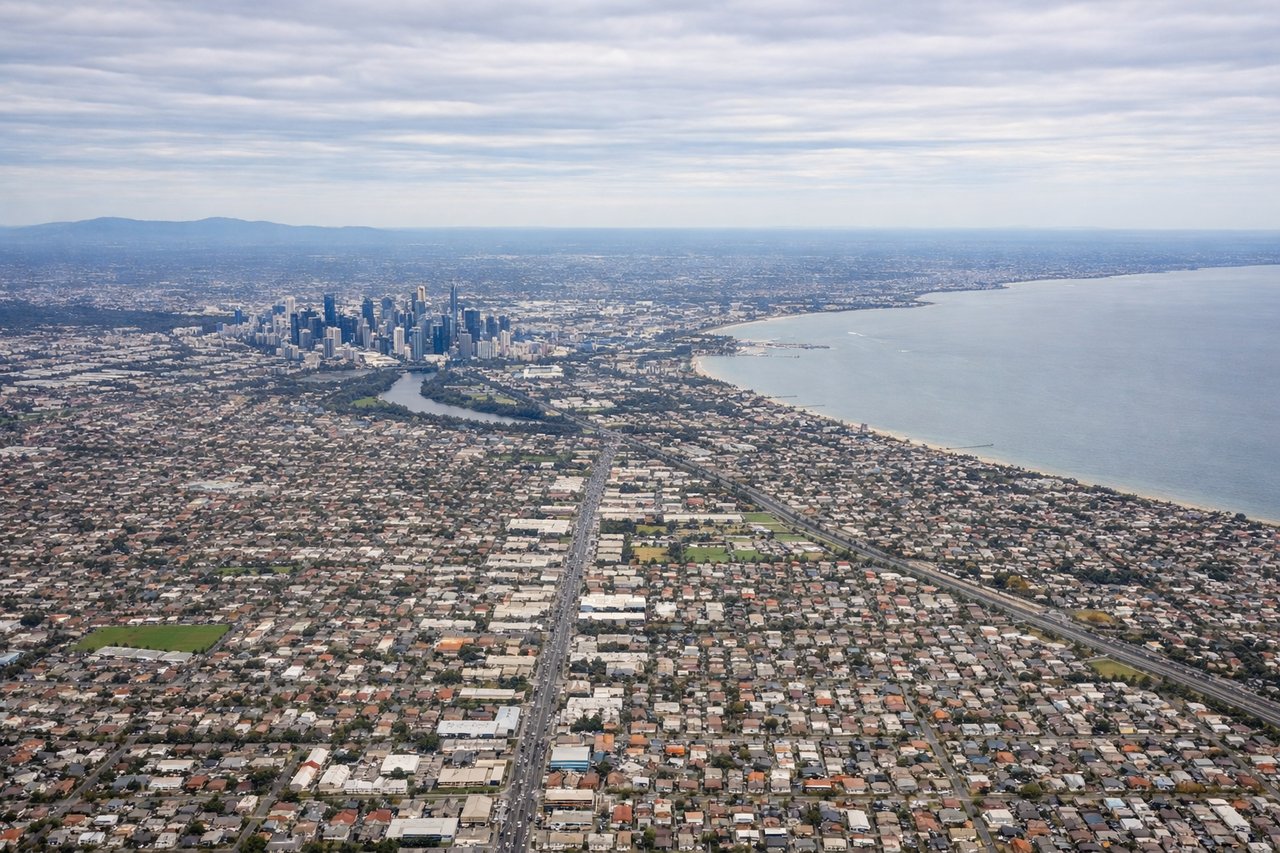
Landing at MEL
RIGHTOn approach into Melbourne from the north, the right side faces west toward the Melbourne CBD skyline and the wide expanse of Port Phillip Bay, giving passengers a strong sense of the city's layout before touchdown. The left side only shows the green but less distinctive Dandenong Ranges foothills.
Landmarks on this routeAll landmarks →
Will your flight be in sunlight?
See exactly which side of the plane gets sun and shade at your departure time.
About This Route
Which side of the plane should I sit on flying from Dubai International (DXB) to Melbourne International (MEL)?
Sit on the Right side of the plane for the best views on flights from Dubai to Melbourne. While the Dubai coastline departure is striking, the long mid-flight cruise is dominated by featureless ocean on both sides, so the deciding factor is the arrival: the Melbourne CBD skyline and Port Phillip Bay on the right offer a more memorable and geographically clear finale than the desert views or Dandenong foothills on the left.
What can I see during takeoff from Dubai International in Dubai?
During takeoff from Dubai International (DXB), sit on the Left side for the best views. Departing DXB on the southeast-facing runway, the left side offers views of the Dubai coastline including Palm Jumeirah, the Burj Al Arab, and the turquoise waters of the Persian Gulf as the aircraft climbs out. The right side only shows flat desert interior with little visual variety. Notable sights include: Palm Jumeirah, Burj Al Arab, Dubai Marina skyline, Persian Gulf coastline.
What can I see when landing at Melbourne International in Melbourne?
When landing at Melbourne International (MEL), sit on the Right side for the best views. On approach into Melbourne from the north, the right side faces west toward the Melbourne CBD skyline and the wide expanse of Port Phillip Bay, giving passengers a strong sense of the city's layout before touchdown. The left side only shows the green but less distinctive Dandenong Ranges foothills. Notable sights include: Melbourne CBD skyline, Port Phillip Bay, Yarra River mouth, Docklands.
How long is the flight from Dubai to Melbourne?
The flight from Dubai International (DXB) to Melbourne International (MEL) takes 13h 35m.
What does the Dubai to Melbourne flight path pass over?
The route crosses the Arabian Sea, passes south of Sri Lanka, then traverses a vast stretch of the Indian Ocean before making landfall near Exmouth on Australia's northwest coast, followed by a long transit over the arid Great Sandy and Gibson Deserts of Western Australia en route to southeastern Australia.