While the takeoff offers striking coastal views, the landing approach over the Appalachian foothills and Atlanta's urban landscape provides more varied and visually interesting terrain. The left side captures both the natural geography and the city's integration into the landscape.
Flight Path
This westbound route crosses the Arabian Peninsula (Oman and Saudi Arabia's interior deserts), the Red Sea, northeastern Africa (Sudan/Ethiopia highlands), the Mediterranean, southern Europe (Spain/Italy), the Atlantic Ocean, and the eastern United States. Notable visible features include: the Rub' al Khali (Empty Quarter) desert in southeastern Arabia, the Red Sea's narrow water corridor, the Ethiopian Highlands' dramatic escarpments, the Atlas Mountains in North Africa, and the Appalachian chain approaching Atlanta. Most of the Atlantic crossing offers only open ocean.
Great circle distance and headings ›.jpg?width=600)
_and_the_Dubai_skyline_(25781049892).jpg?width=600)


.jpeg?width=600)
Phase by phase
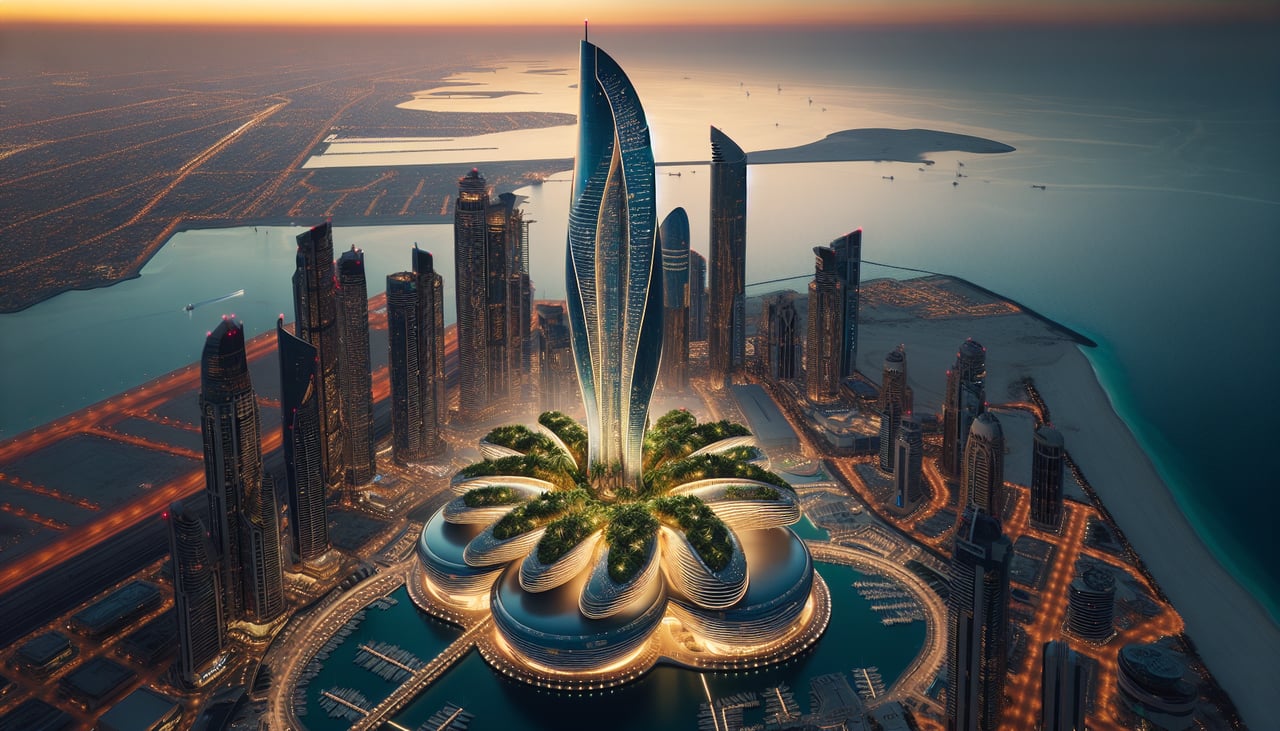
Takeoff from DXB
RIGHTRight-side seats offer views of the Persian Gulf coastline and Dubai's coastal development as the aircraft climbs northwestward. You'll see the contrast between the urban sprawl and the open water, which is visually striking during the initial climb.
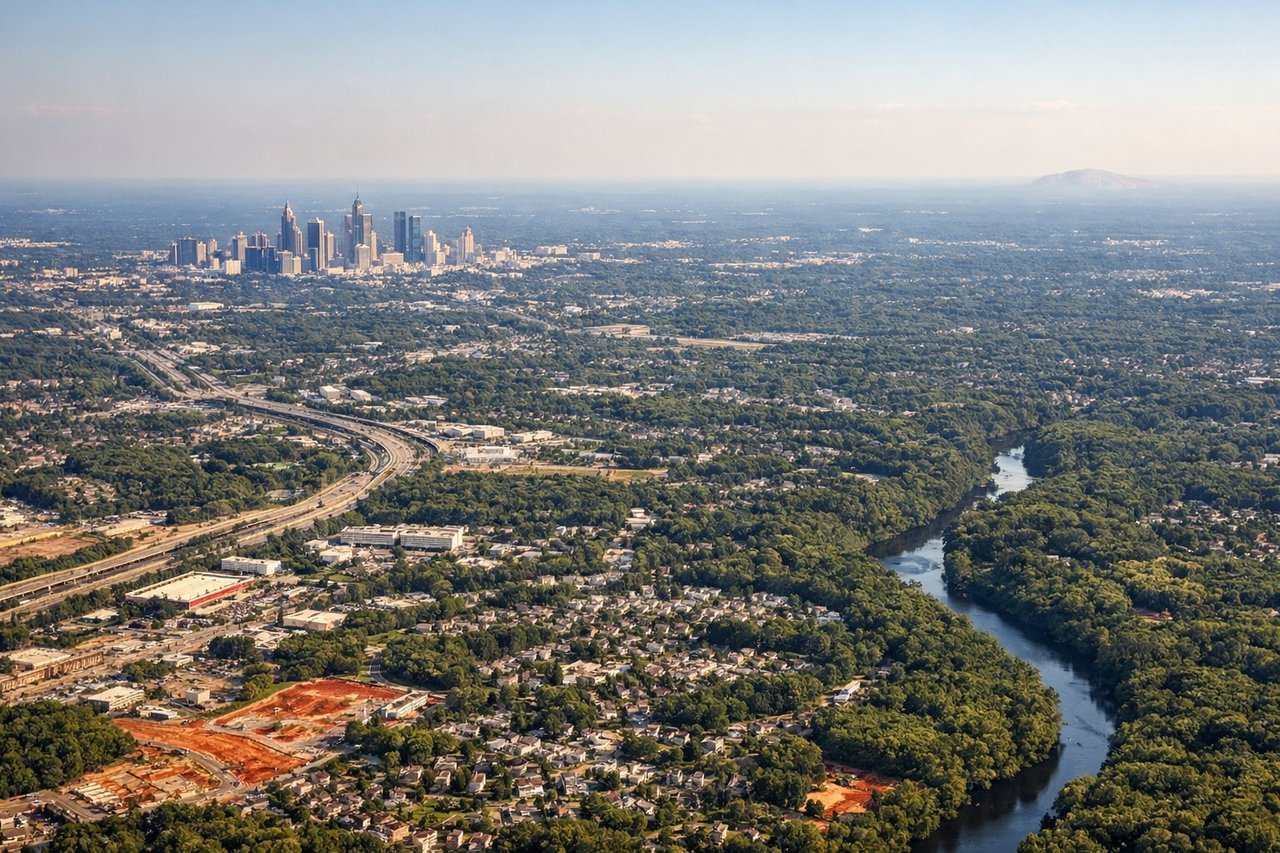
Landing at ATL
LEFTLeft-side seats provide views of the Appalachian foothills and Atlanta's urban landscape during descent. As the aircraft approaches from the northwest, the left side reveals the rolling terrain and city sprawl that characterizes the approach corridor.
Landmarks on this routeAll landmarks →
Will your flight be in sunlight?
See exactly which side of the plane gets sun and shade at your departure time.
About This Route
Which side of the plane should I sit on flying from Dubai International (DXB) to The William B Hartsfield Atlanta International (ATL)?
Sit on the Left side of the plane for the best views on flights from Dubai to Atlanta. While the takeoff offers striking coastal views, the landing approach over the Appalachian foothills and Atlanta's urban landscape provides more varied and visually interesting terrain. The left side captures both the natural geography and the city's integration into the landscape.
What can I see during takeoff from Dubai International in Dubai?
During takeoff from Dubai International (DXB), sit on the Right side for the best views. Right-side seats offer views of the Persian Gulf coastline and Dubai's coastal development as the aircraft climbs northwestward. You'll see the contrast between the urban sprawl and the open water, which is visually striking during the initial climb. Notable sights include: Persian Gulf, Dubai coastline and marina developments, Jebel Ali Port, Arabian Desert inland.
What can I see when landing at The William B Hartsfield Atlanta International in Atlanta?
When landing at The William B Hartsfield Atlanta International (ATL), sit on the Left side for the best views. Left-side seats provide views of the Appalachian foothills and Atlanta's urban landscape during descent. As the aircraft approaches from the northwest, the left side reveals the rolling terrain and city sprawl that characterizes the approach corridor. Notable sights include: Appalachian foothills, Atlanta metropolitan area and downtown skyline, Chattahoochee River valley, Georgia piedmont terrain.
How long is the flight from Dubai to Atlanta?
The flight from Dubai International (DXB) to The William B Hartsfield Atlanta International (ATL) takes Approximately 14-15 hours.
What does the Dubai to Atlanta flight path pass over?
This westbound route crosses the Arabian Peninsula (Oman and Saudi Arabia's interior deserts), the Red Sea, northeastern Africa (Sudan/Ethiopia highlands), the Mediterranean, southern Europe (Spain/Italy), the Atlantic Ocean, and the eastern United States. Notable visible features include: the Rub' al Khali (Empty Quarter) desert in southeastern Arabia, the Red Sea's narrow water corridor, the Ethiopian Highlands' dramatic escarpments, the Atlas Mountains in North Africa, and the Appalachian chain approaching Atlanta. Most of the Atlantic crossing offers only open ocean.