The left side wins both takeoff and landing with genuine city and coastline views — Dubai's Palm Jumeirah on departure and New York's skyline and Jamaica Bay on arrival — while the cruise portion over Arabia, Europe, Greenland, and open ocean offers similar terrain regardless of side.
Flight Path
The route crosses the Arabian Peninsula, the eastern Mediterranean or Turkey/Black Sea region, parts of Europe, the southern tip of Greenland's icecap, and the Labrador Sea before reaching the North American coast near Newfoundland or Nova Scotia.
Great circle distance and headings ›_and_the_Dubai_skyline_(25781049892).jpg?width=600)
.jpg?width=600)


.jpg?width=600)
Phase by phase
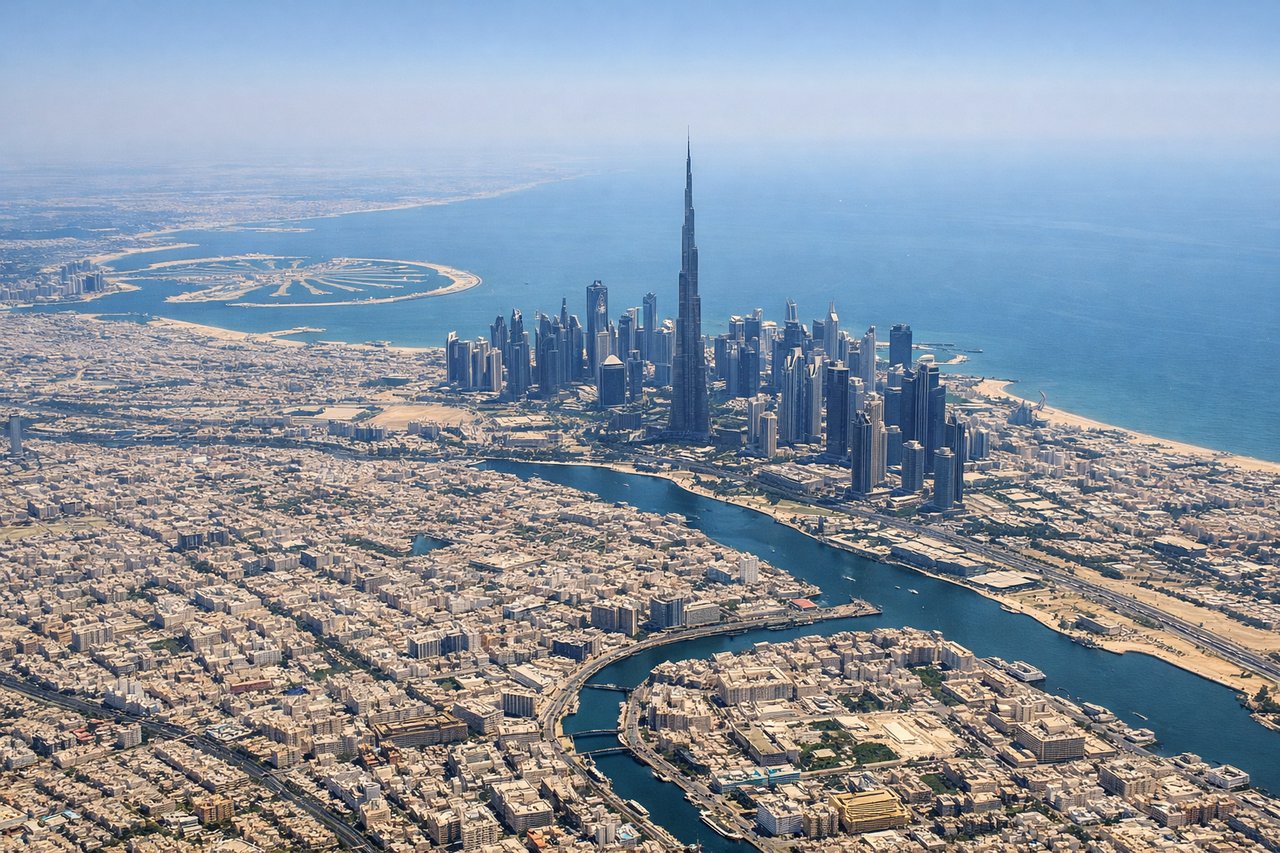
Takeoff from DXB
LEFTDeparting DXB northwest, the left side offers views over Dubai's coastline including the Palm Jumeirah and Burj Al Arab before the route heads over the Gulf. The right side mostly shows desert interior with less distinctive scenery.
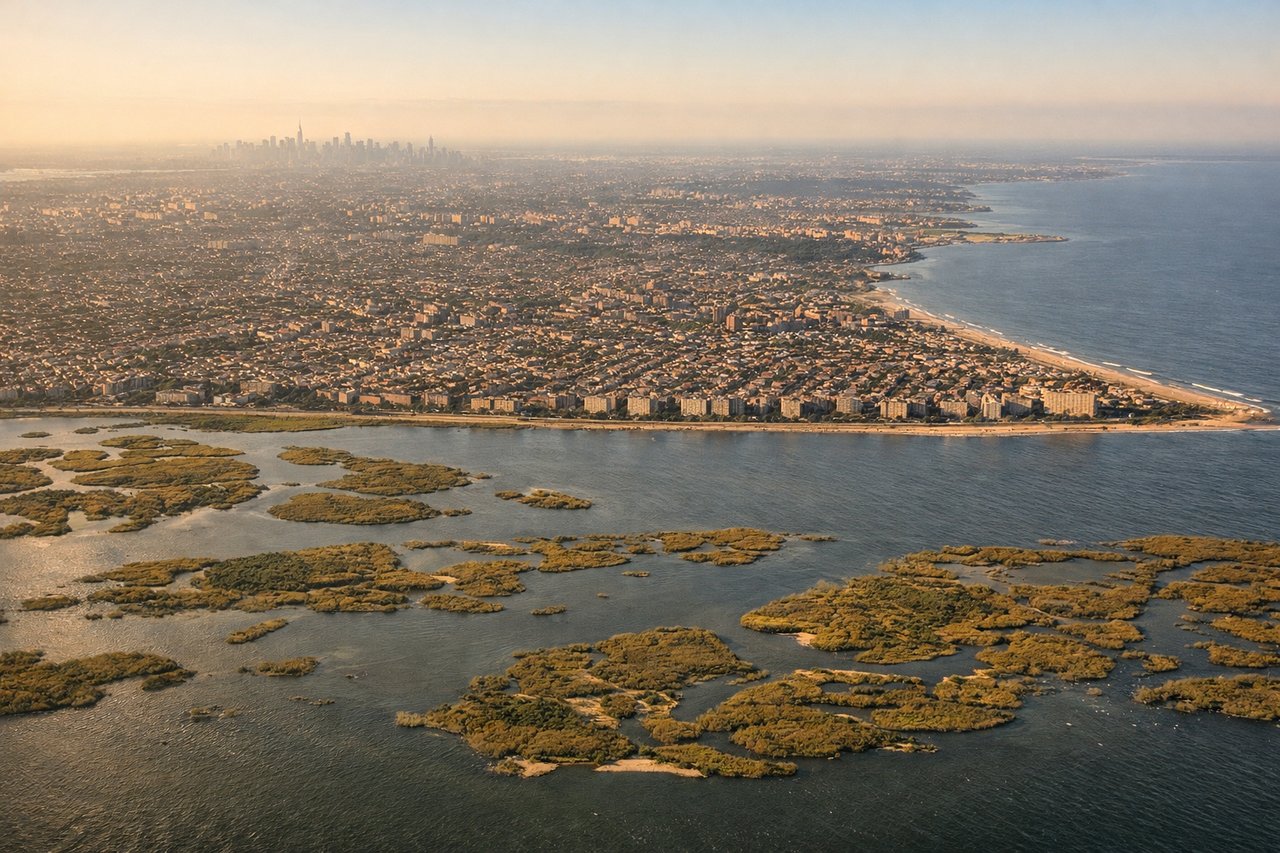
Landing at JFK
LEFTArriving JFK from the west or south typically banks over the New York City skyline and Jamaica Bay, giving left-side passengers views of Manhattan and the Atlantic coastline. The right side generally shows Long Island's flatter suburban sprawl.
Landmarks on this routeAll landmarks →
Will your flight be in sunlight?
See exactly which side of the plane gets sun and shade at your departure time.
About This Route
Which side of the plane should I sit on flying from Dubai International (DXB) to John F Kennedy International (JFK)?
Sit on the Left side of the plane for the best views on flights from Dubai to New York. The left side wins both takeoff and landing with genuine city and coastline views — Dubai's Palm Jumeirah on departure and New York's skyline and Jamaica Bay on arrival — while the cruise portion over Arabia, Europe, Greenland, and open ocean offers similar terrain regardless of side.
What can I see during takeoff from Dubai International in Dubai?
During takeoff from Dubai International (DXB), sit on the Left side for the best views. Departing DXB northwest, the left side offers views over Dubai's coastline including the Palm Jumeirah and Burj Al Arab before the route heads over the Gulf. The right side mostly shows desert interior with less distinctive scenery. Notable sights include: Palm Jumeirah, Burj Al Arab, Dubai Marina skyline, Persian Gulf coastline.
What can I see when landing at John F Kennedy International in New York?
When landing at John F Kennedy International (JFK), sit on the Left side for the best views. Arriving JFK from the west or south typically banks over the New York City skyline and Jamaica Bay, giving left-side passengers views of Manhattan and the Atlantic coastline. The right side generally shows Long Island's flatter suburban sprawl. Notable sights include: Manhattan skyline, Jamaica Bay, Rockaway Peninsula, Atlantic coastline.
How long is the flight from Dubai to New York?
The flight from Dubai International (DXB) to John F Kennedy International (JFK) takes 13h 30m.
What does the Dubai to New York flight path pass over?
The route crosses the Arabian Peninsula, the eastern Mediterranean or Turkey/Black Sea region, parts of Europe, the southern tip of Greenland's icecap, and the Labrador Sea before reaching the North American coast near Newfoundland or Nova Scotia.