The left side wins on both ends of the flight: Edinburgh's Firth of Forth and city skyline at departure, and a glimpse of Paris on arrival, giving it clear landmark advantages over the plain farmland and low hills visible from the right.
Flight Path
The route crosses eastern England's Yorkshire Wolds and Lincolnshire farmland, then the North Sea coast near the Humber estuary, before crossing the English Channel between Dover and Calais into the flat plains of northern France.
Great circle distance and headings ›
.jpeg?width=600)

.jpg?width=600)
Phase by phase
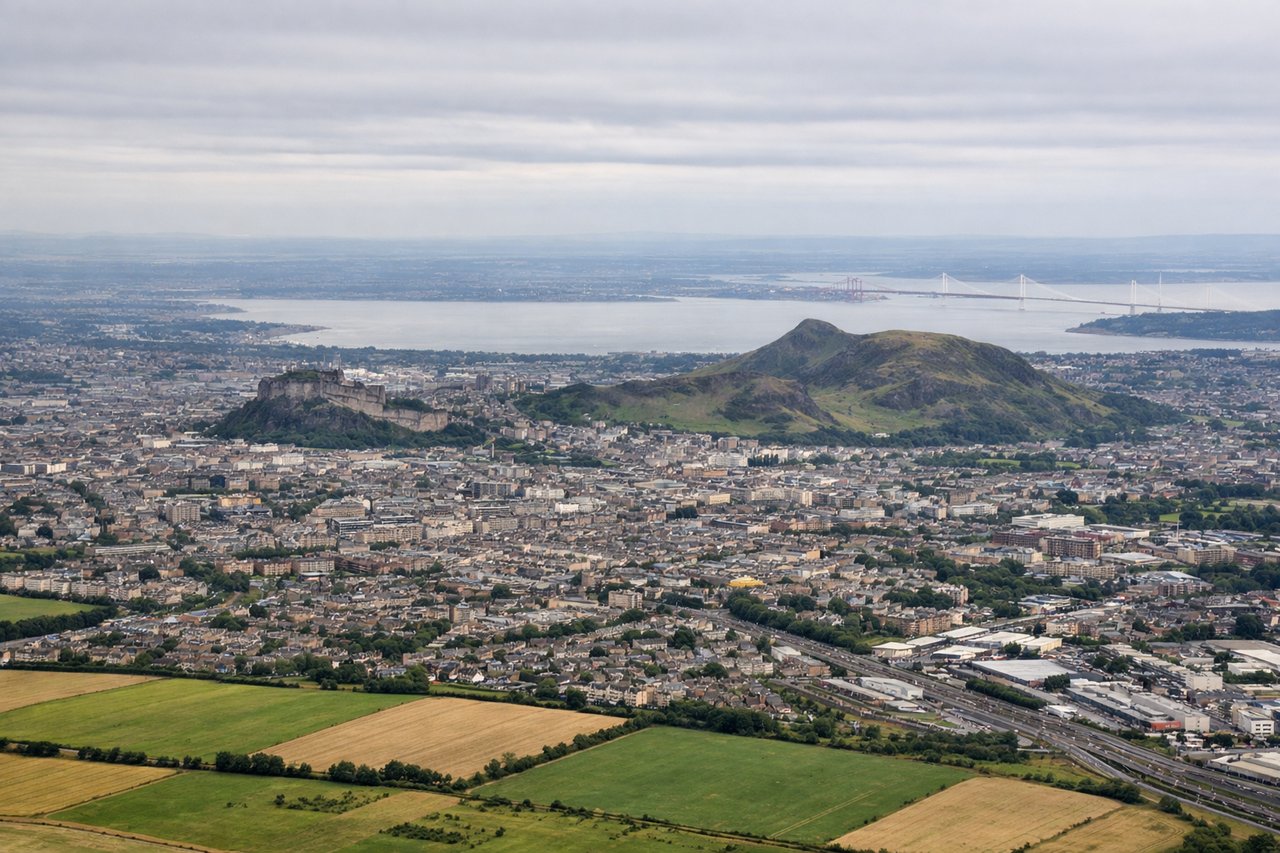
Takeoff from EDI
LEFTDeparting on runway 24, the aircraft climbs southwest then banks left onto its southerly track toward Paris, swinging Edinburgh's skyline and the Firth of Forth into view on the left side. The right side only shows the comparatively unremarkable Pentland Hills foothills.
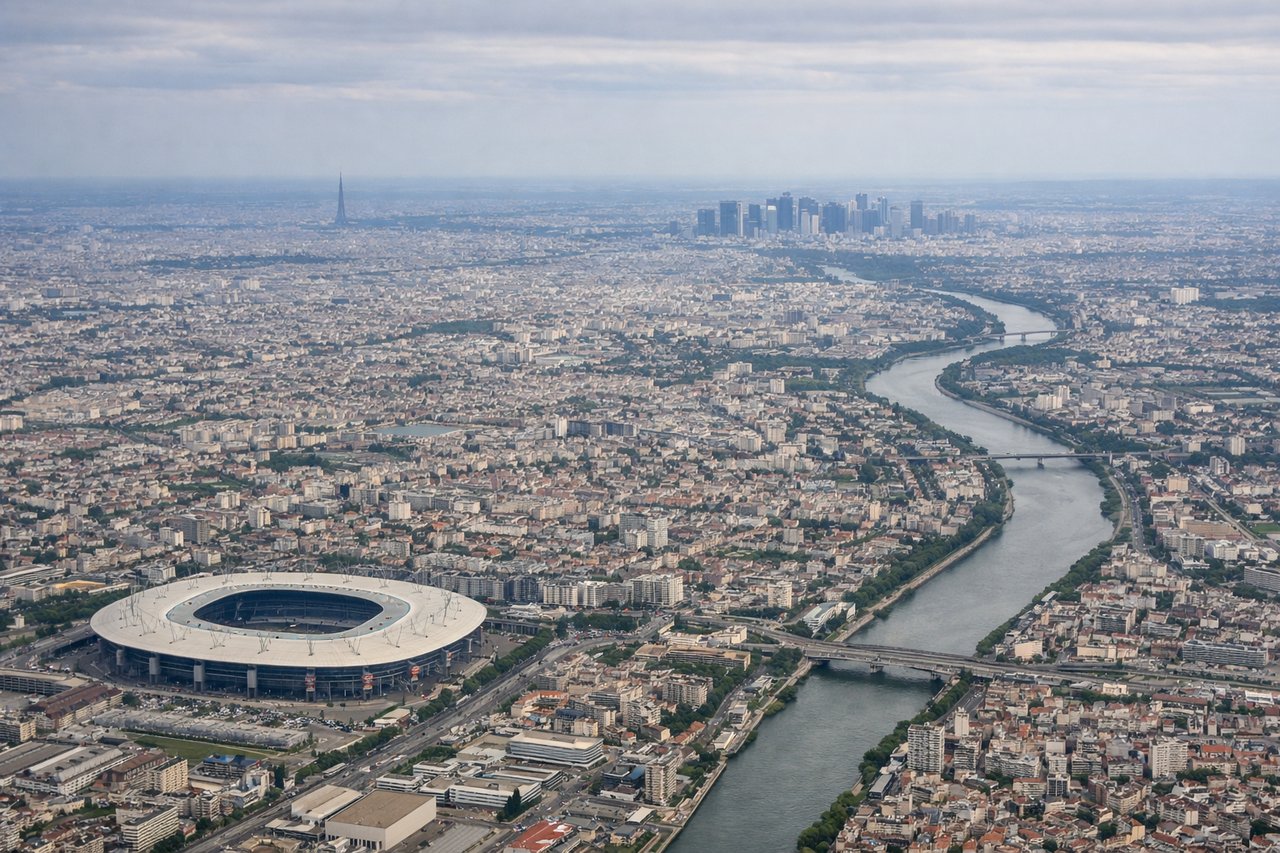
Landing at CDG
LEFTOn final approach into CDG's westbound runways, arrivals from the north turn south then west, briefly aligning Paris's skyline to the south side of the aircraft — the left side on a westward heading. The right side instead just shows flat Picardy farmland with no landmarks.
Landmarks on this routeAll landmarks →
Will your flight be in sunlight?
See exactly which side of the plane gets sun and shade at your departure time.
About This Route
Which side of the plane should I sit on flying from Edinburgh (EDI) to Charles De Gaulle (CDG)?
Sit on the Left side of the plane for the best views on flights from Edinburgh to Paris. The left side wins on both ends of the flight: Edinburgh's Firth of Forth and city skyline at departure, and a glimpse of Paris on arrival, giving it clear landmark advantages over the plain farmland and low hills visible from the right.
What can I see during takeoff from Edinburgh in Edinburgh?
During takeoff from Edinburgh (EDI), sit on the Left side for the best views. Departing on runway 24, the aircraft climbs southwest then banks left onto its southerly track toward Paris, swinging Edinburgh's skyline and the Firth of Forth into view on the left side. The right side only shows the comparatively unremarkable Pentland Hills foothills. Notable sights include: Edinburgh Castle and Old Town, Arthur's Seat, Firth of Forth estuary, North Sea coastline near Musselburgh.
What can I see when landing at Charles De Gaulle in Paris?
When landing at Charles De Gaulle (CDG), sit on the Left side for the best views. On final approach into CDG's westbound runways, arrivals from the north turn south then west, briefly aligning Paris's skyline to the south side of the aircraft — the left side on a westward heading. The right side instead just shows flat Picardy farmland with no landmarks. Notable sights include: Paris skyline including the Eiffel Tower and La Défense towers, the Seine river, Charles de Gaulle airport's runway complex.
How long is the flight from Edinburgh to Paris?
The flight from Edinburgh (EDI) to Charles De Gaulle (CDG) takes 1h50m.
What does the Edinburgh to Paris flight path pass over?
The route crosses eastern England's Yorkshire Wolds and Lincolnshire farmland, then the North Sea coast near the Humber estuary, before crossing the English Channel between Dover and Calais into the flat plains of northern France.