While the takeoff offers spectacular coastal scenery, the landing approach provides more sustained visual interest across the entire descent phase. Right-side seats capture both the Meuse River valley and the approach to Brussels, making it the better choice for the full journey.
Flown FAO to BRU? Did we get it right?
Flight Path
Faro to Brussels is 1,139 miles (1,832 km), a flight of about 2 hours 15 minutes.
Loire Valley (France) with its meandering river and château-dotted landscape; the transition from Atlantic coastal plains to the Paris Basin; the Seine River valley approaching northern France; the Ardennes plateau on the Belgian border with its forested terrain and river valleys
Great circle distance and headings ›Phase by phase
Takeoff from FAO
LEFTLeft side captures the Algarve coastline and the Atlantic Ocean immediately after departure. The aircraft climbs northwestward, and left-side seats offer direct views of the dramatic rocky cliffs and beaches that define southern Portugal's coast.
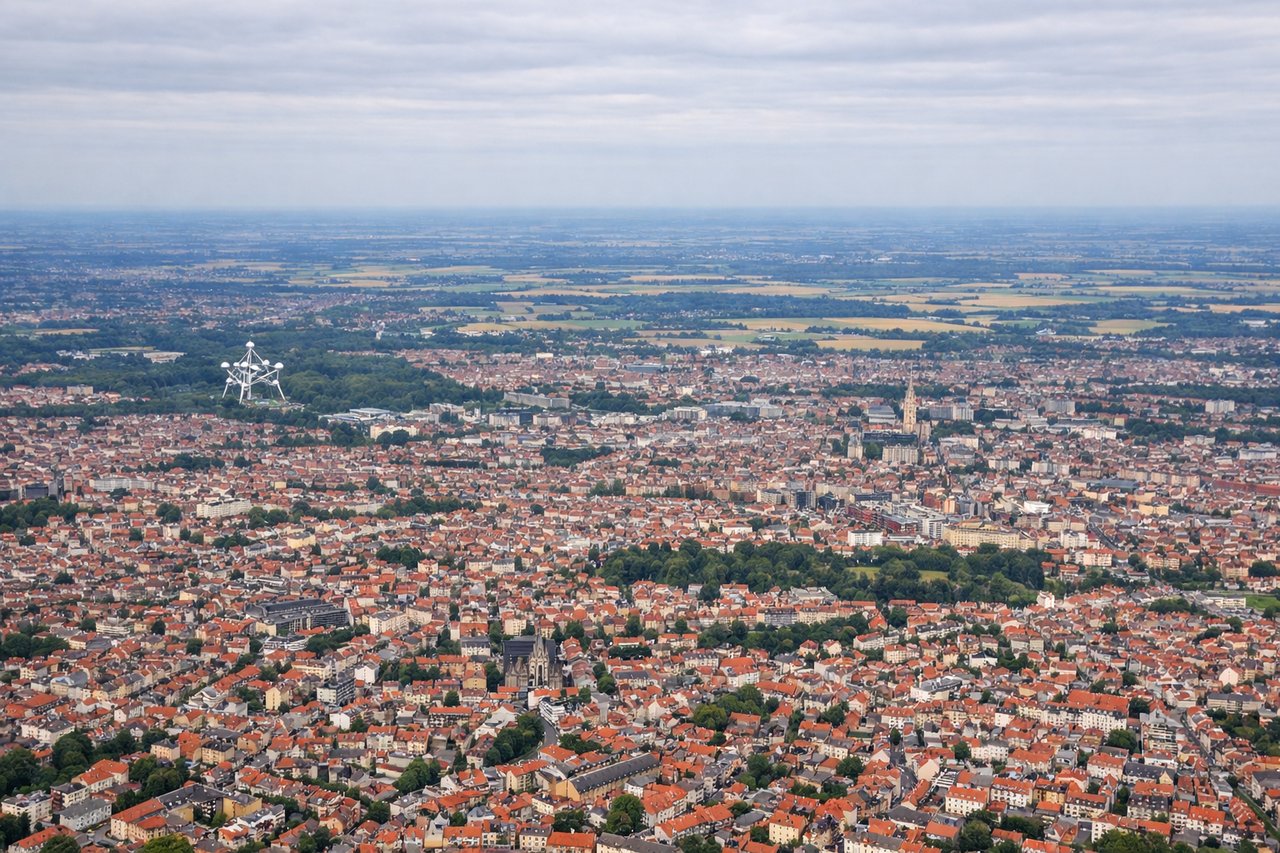
Landing at BRU
RIGHTRight side provides the best views during the final approach into Brussels. The aircraft descends from the southeast, and right-side seats face the Meuse River valley, the Flemish plains, and the city of Brussels itself as it approaches the runway.
Will your flight be in sunlight?
Pick a date and time in the Sun Map to watch the sun move across your whole flight.
About This Route
Which side of the plane should I sit on flying from Faro (FAO) to Brussels Natl (BRU)?
Sit on the Right side of the plane for the best views on flights from Faro to Brussels. While the takeoff offers spectacular coastal scenery, the landing approach provides more sustained visual interest across the entire descent phase. Right-side seats capture both the Meuse River valley and the approach to Brussels, making it the better choice for the full journey.
What can I see during takeoff from Faro in Faro?
During takeoff from Faro (FAO), sit on the Left side for the best views. Left side captures the Algarve coastline and the Atlantic Ocean immediately after departure. The aircraft climbs northwestward, and left-side seats offer direct views of the dramatic rocky cliffs and beaches that define southern Portugal's coast. Notable sights include: Algarve coastline with red sandstone cliffs, Atlantic Ocean, Lagos Bay, Ponta da Piedade rock formations.
What can I see when landing at Brussels Natl in Brussels?
When landing at Brussels Natl (BRU), sit on the Right side for the best views. Right side provides the best views during the final approach into Brussels. The aircraft descends from the southeast, and right-side seats face the Meuse River valley, the Flemish plains, and the city of Brussels itself as it approaches the runway. Notable sights include: Meuse River and its valley, Flemish agricultural plains, Brussels city center and urban sprawl, Zaventem airport approach corridor.
How long is the flight from Faro to Brussels?
The flight from Faro (FAO) to Brussels Natl (BRU) takes about 2 hours 15 minutes. The shortest flight path between them is 1,139 miles (1,832 km); winds and air traffic control usually add a few percent.
What does the Faro to Brussels flight path pass over?
Loire Valley (France) with its meandering river and château-dotted landscape; the transition from Atlantic coastal plains to the Paris Basin; the Seine River valley approaching northern France; the Ardennes plateau on the Belgian border with its forested terrain and river valleys