While Rome offers a brief, distant glimpse of the city on departure, the descent into Newark provides a longer, closer, and more dramatic view of the Manhattan skyline and New York Harbor, giving the left side the edge over the ocean-dominated flight.
Flown FCO to EWR? Did we get it right?
Flight Path
Rome to Newark is 4,282 miles (6,891 km), a flight of about 10 hours 15 minutes.
Open North Atlantic Ocean, with the flight path likely passing south of Iceland and near the Grand Banks off Newfoundland before making landfall over Atlantic Canada or New England.
Great circle distance and headings ›


Phase by phase
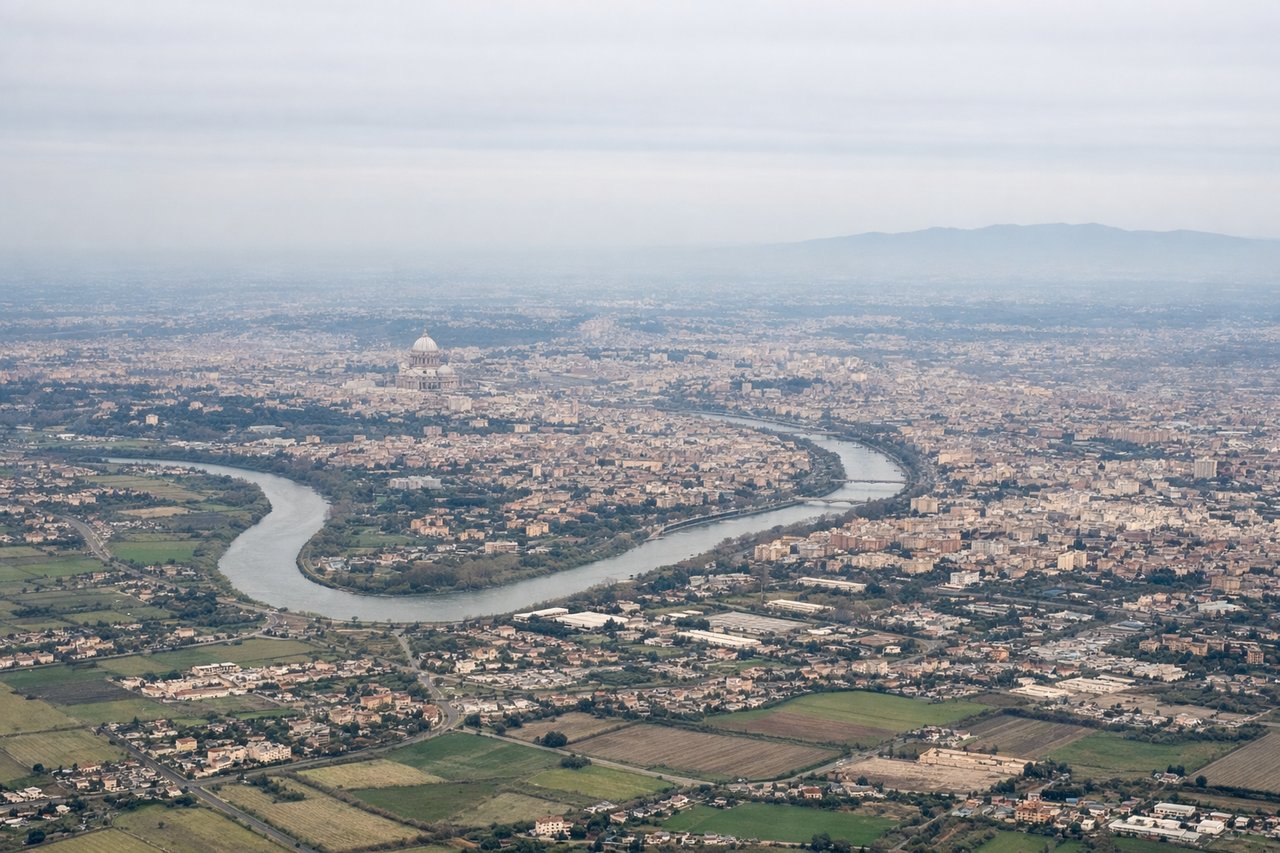
Takeoff from FCO
RIGHTDeparting FCO to the south over the coast, the climb-out curves back toward land, putting Rome's outskirts, the Tiber delta, and the Ostia coastline on the right side before the aircraft turns west out over the Tyrrhenian Sea.
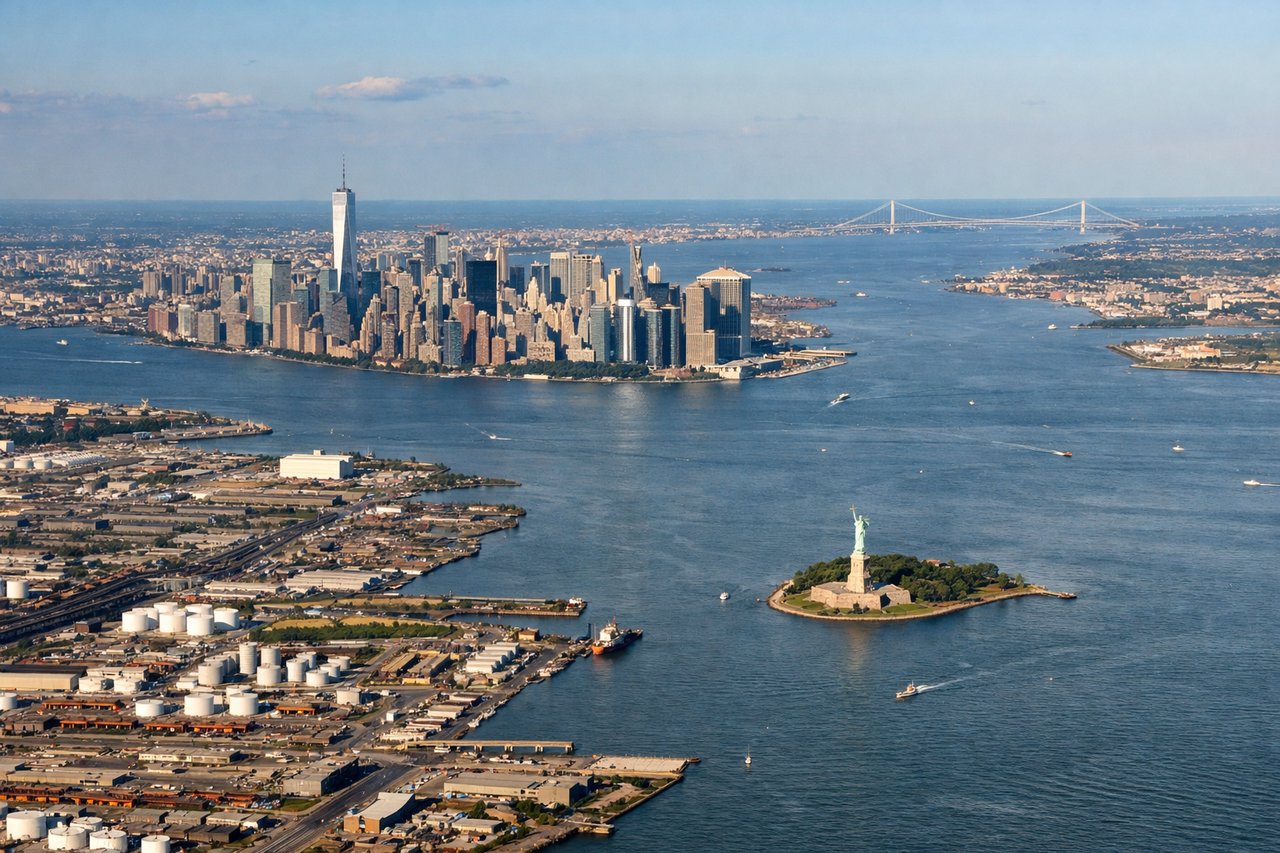
Landing at EWR
LEFTArrivals into EWR from the northeast typically descend down the Hudson corridor before turning onto final approach, giving passengers on the left side a clear view of the Manhattan skyline, the Hudson River, and New York Harbor just before touchdown.
Will your flight be in sunlight?
Pick a date and time in the Sun Map to watch the sun move across your whole flight.
About This Route
Which side of the plane should I sit on flying from Fiumicino (FCO) to Newark Liberty International (EWR)?
Sit on the Left side of the plane for the best views on flights from Rome to Newark. While Rome offers a brief, distant glimpse of the city on departure, the descent into Newark provides a longer, closer, and more dramatic view of the Manhattan skyline and New York Harbor, giving the left side the edge over the ocean-dominated flight.
What can I see during takeoff from Fiumicino in Rome?
During takeoff from Fiumicino (FCO), sit on the Right side for the best views. Departing FCO to the south over the coast, the climb-out curves back toward land, putting Rome's outskirts, the Tiber delta, and the Ostia coastline on the right side before the aircraft turns west out over the Tyrrhenian Sea. Notable sights include: Tiber River delta, Ostia Antica coastline, distant Rome skyline (St. Peter's dome visible on clear days), Fiumicino shoreline.
What can I see when landing at Newark Liberty International in Newark?
When landing at Newark Liberty International (EWR), sit on the Left side for the best views. Arrivals into EWR from the northeast typically descend down the Hudson corridor before turning onto final approach, giving passengers on the left side a clear view of the Manhattan skyline, the Hudson River, and New York Harbor just before touchdown. Notable sights include: Manhattan skyline, Hudson River, Statue of Liberty, Newark Bay.
How long is the flight from Rome to Newark?
The flight from Fiumicino (FCO) to Newark Liberty International (EWR) takes about 10 hours 15 minutes. The shortest flight path between them is 4,282 miles (6,891 km); winds and air traffic control usually add a few percent.
What does the Rome to Newark flight path pass over?
Open North Atlantic Ocean, with the flight path likely passing south of Iceland and near the Grand Banks off Newfoundland before making landfall over Atlantic Canada or New England.