Right-side seats dominate both segments of this flight. Departure offers the Atlantic coast and Port Everglades, while arrival showcases the Panama Canal and Bridge of the Americas—two of the most geographically significant features on this route.
Flown FLL to PTY? Did we get it right?
Flight Path
Fort Lauderdale to Panama City is 1,176 miles (1,892 km), a flight of about 2 hours 15 minutes.
The flight path crosses the Caribbean Sea south-southwest from Florida. Notable features include the Yucatan Channel (visible as deep blue water if flying at lower altitudes during cruise), the Caribbean coastline of Central America (Belize and Honduras visible as distant landmass on the left/west side during mid-flight), and the approach to the Isthmus of Panama with its distinctive narrowing geography. Cumulus cloud formations are typical over the Caribbean and Central American interior during afternoon hours.
Great circle distance and headings ›

Phase by phase
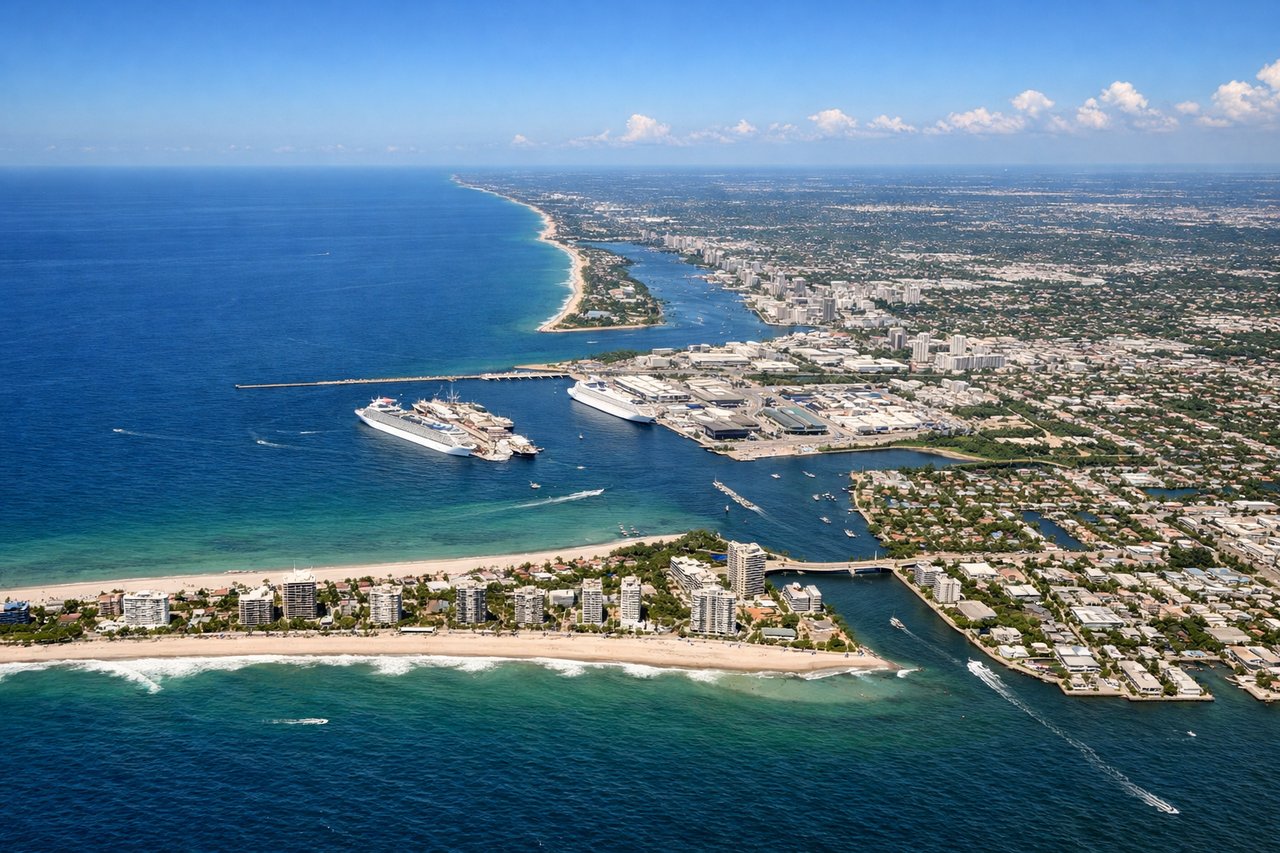
Takeoff from FLL
RIGHTFLL typically departs eastbound (runways 08L/08R or 09L/09R depending on wind). Right-side seats offer immediate views of the Atlantic Ocean and the barrier islands of the Fort Lauderdale coast as you climb out over water. Left seats face inland toward the developed sprawl of Broward County.
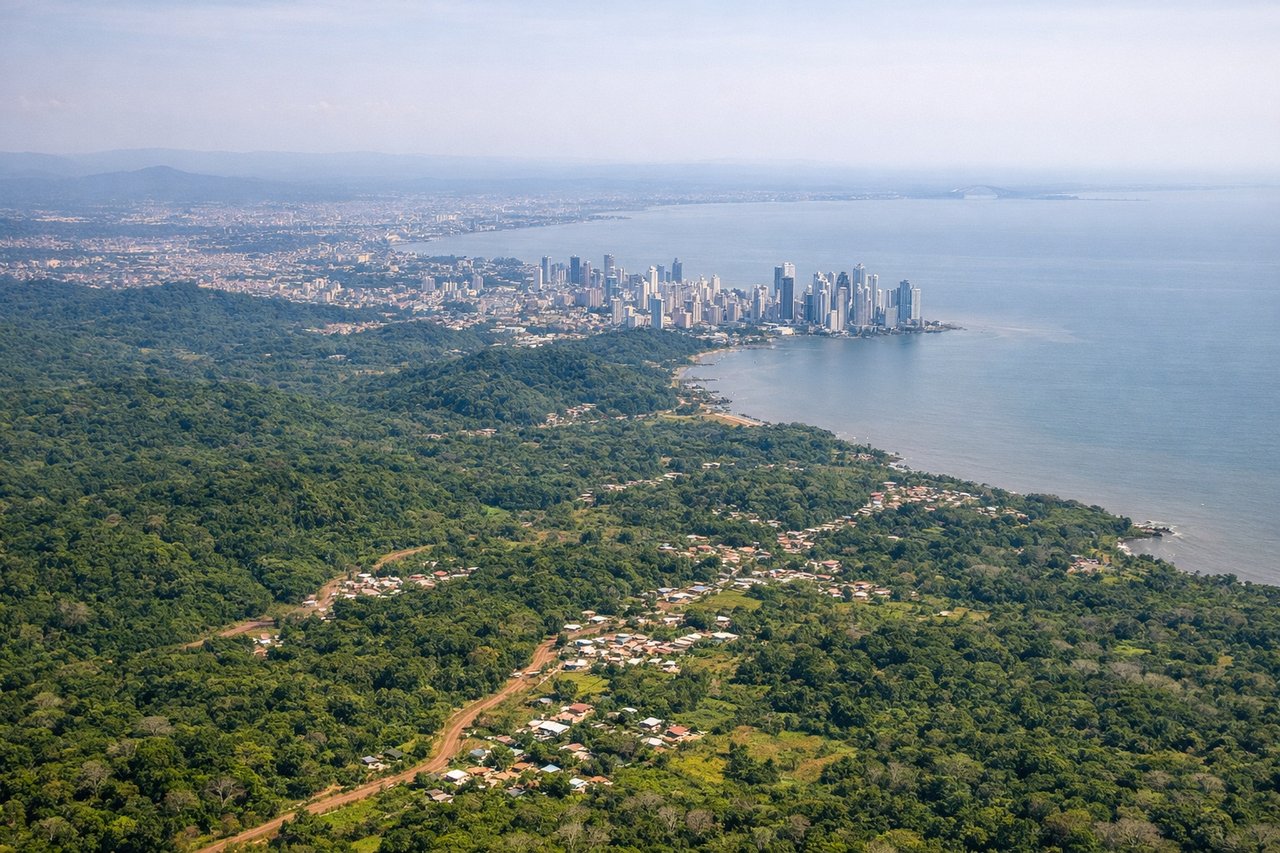
Landing at PTY
RIGHTPTY uses runways 03L/03R (northbound) or 09L/09R (eastbound) depending on wind. Right-side seats during descent offer views of the Panama Canal approach zone, the Bridge of the Americas, and Balboa Peninsula. Left seats face the interior of Panama and the Darién region.
Will your flight be in sunlight?
Pick a date and time in the Sun Map to watch the sun move across your whole flight.
About This Route
Which side of the plane should I sit on flying from Fort Lauderdale Hollywood International (FLL) to Tocumen International (PTY)?
Sit on the Right side of the plane for the best views on flights from Fort Lauderdale to Panama City. Right-side seats dominate both segments of this flight. Departure offers the Atlantic coast and Port Everglades, while arrival showcases the Panama Canal and Bridge of the Americas—two of the most geographically significant features on this route.
What can I see during takeoff from Fort Lauderdale Hollywood International in Fort Lauderdale?
During takeoff from Fort Lauderdale Hollywood International (FLL), sit on the Right side for the best views. FLL typically departs eastbound (runways 08L/08R or 09L/09R depending on wind). Right-side seats offer immediate views of the Atlantic Ocean and the barrier islands of the Fort Lauderdale coast as you climb out over water. Left seats face inland toward the developed sprawl of Broward County. Notable sights include: Atlantic Ocean, Port Everglades shipping channel, Intracoastal Waterway, barrier islands (Deerfield Beach and Pompano Beach visible as thin developed strips).
What can I see when landing at Tocumen International in Panama City?
When landing at Tocumen International (PTY), sit on the Right side for the best views. PTY uses runways 03L/03R (northbound) or 09L/09R (eastbound) depending on wind. Right-side seats during descent offer views of the Panama Canal approach zone, the Bridge of the Americas, and Balboa Peninsula. Left seats face the interior of Panama and the Darién region. Notable sights include: Panama Canal (Gatun Lake visible from altitude), Bridge of the Americas (Puente de las Américas), Balboa Peninsula and Amador Causeway, Panama City skyline.
How long is the flight from Fort Lauderdale to Panama City?
The flight from Fort Lauderdale Hollywood International (FLL) to Tocumen International (PTY) takes about 2 hours 15 minutes. The shortest flight path between them is 1,176 miles (1,892 km); winds and air traffic control usually add a few percent.
What does the Fort Lauderdale to Panama City flight path pass over?
The flight path crosses the Caribbean Sea south-southwest from Florida. Notable features include the Yucatan Channel (visible as deep blue water if flying at lower altitudes during cruise), the Caribbean coastline of Central America (Belize and Honduras visible as distant landmass on the left/west side during mid-flight), and the approach to the Isthmus of Panama with its distinctive narrowing geography. Cumulus cloud formations are typical over the Caribbean and Central American interior during afternoon hours.