While takeoff favors the right, the landing view from the left is significantly more rewarding—the Essex countryside and River Lea valley provide genuine visual interest during descent. The transatlantic crossing itself offers little distinction between sides at cruise altitude over open ocean.
Flight Path
The flight crosses the Atlantic at typical cruise altitude (31,000-35,000 feet). Notable features include the Grand Banks southeast of Newfoundland (if visible through cloud), the Mid-Atlantic Ridge (not visible), and the approach to the British Isles via the Celtic Sea and Bristol Channel. At cruise altitude, cloud patterns and occasional breaks revealing ocean swells are the primary visual features. The Irish coast becomes visible approximately 2 hours before landing, with the Irish Sea and Welsh coastline providing geographic reference. The Cotswolds and Thames Valley become visible during final descent into Essex.
Great circle distance and headings ›
.jpeg?width=600)

Phase by phase
Takeoff from FLO
RIGHTFlorence Regional typically departs to the north or northeast. Right-side seats offer views of the Appalachian foothills and the Pee Dee River valley as the aircraft climbs. Left side faces inland toward less distinctive terrain.
Landing at STN
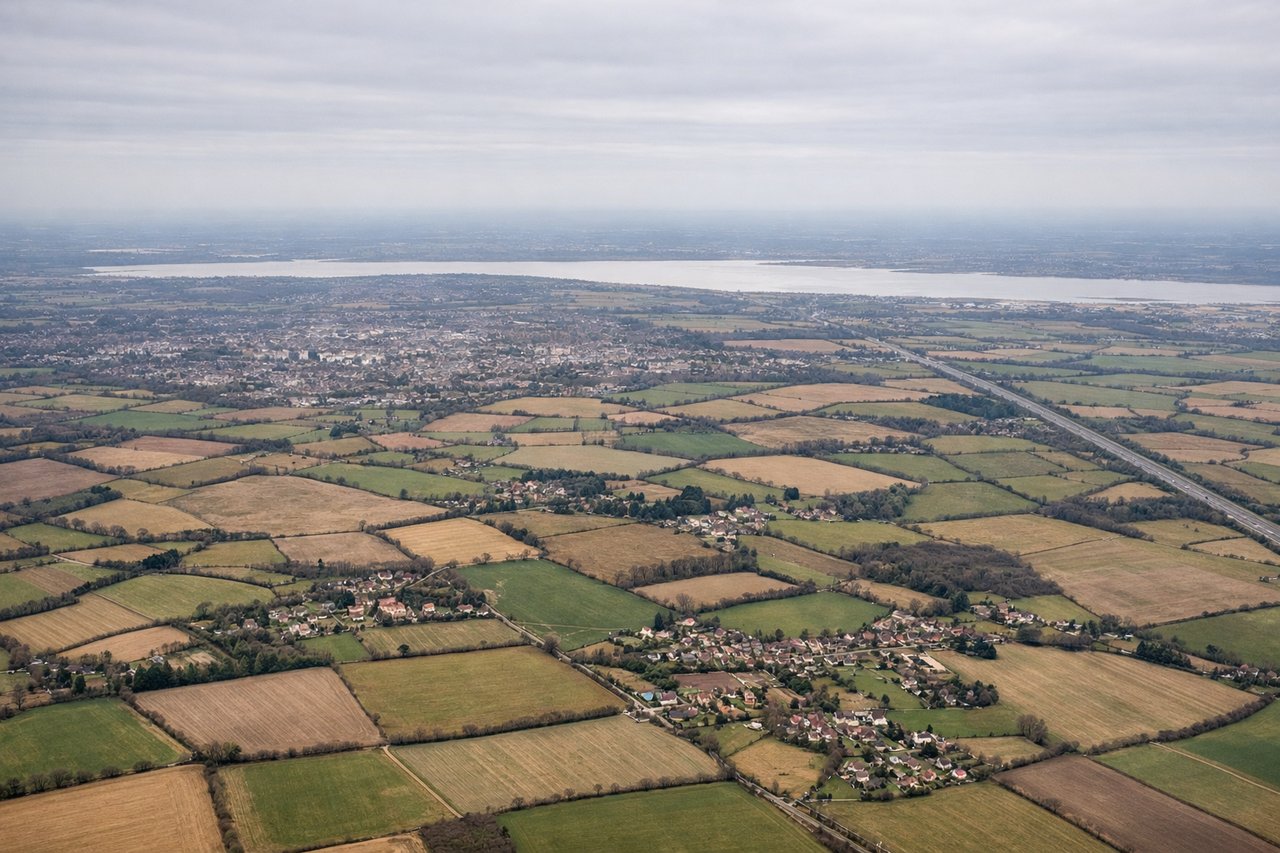
LEFTStansted typically uses runways 04 or 22. On approach from the southwest, left-side seats provide views of the Essex countryside, the River Lea valley, and the distinctive patchwork of English agricultural fields. Right side faces toward less visually interesting industrial areas north of the airport.
Landmarks on this routeAll landmarks →
Will your flight be in sunlight?
See exactly which side of the plane gets sun and shade at your departure time.
About This Route
Which side of the plane should I sit on flying from Florence Rgnl (FLO) to Stansted (STN)?
Sit on the Left side of the plane for the best views on flights from Florence to London. While takeoff favors the right, the landing view from the left is significantly more rewarding—the Essex countryside and River Lea valley provide genuine visual interest during descent. The transatlantic crossing itself offers little distinction between sides at cruise altitude over open ocean.
What can I see during takeoff from Florence Rgnl in Florence?
During takeoff from Florence Rgnl (FLO), sit on the Right side for the best views. Florence Regional typically departs to the north or northeast. Right-side seats offer views of the Appalachian foothills and the Pee Dee River valley as the aircraft climbs. Left side faces inland toward less distinctive terrain. Notable sights include: Pee Dee River, Appalachian foothills to the northwest, Florence city grid below, Lake Wateree to the northeast.
What can I see when landing at Stansted in London?
When landing at Stansted (STN), sit on the Left side for the best views. Stansted typically uses runways 04 or 22. On approach from the southwest, left-side seats provide views of the Essex countryside, the River Lea valley, and the distinctive patchwork of English agricultural fields. Right side faces toward less visually interesting industrial areas north of the airport. Notable sights include: River Lea valley, Essex agricultural patchwork fields, Harlow town to the west, North Weald airfield to the southwest.
How long is the flight from Florence to London?
The flight from Florence Rgnl (FLO) to Stansted (STN) takes Approximately 9 hours 15 minutes.
What does the Florence to London flight path pass over?
The flight crosses the Atlantic at typical cruise altitude (31,000-35,000 feet). Notable features include the Grand Banks southeast of Newfoundland (if visible through cloud), the Mid-Atlantic Ridge (not visible), and the approach to the British Isles via the Celtic Sea and Bristol Channel. At cruise altitude, cloud patterns and occasional breaks revealing ocean swells are the primary visual features. The Irish coast becomes visible approximately 2 hours before landing, with the Irish Sea and Welsh coastline providing geographic reference. The Cotswolds and Thames Valley become visible during final descent into Essex.