While takeoff offers excellent views of the Exuma Cays, the landing approach into Miami provides more dramatic and varied scenery—the transition from open ocean to one of the busiest ports in the U.S., with the Miami skyline, barrier islands, and Biscayne Bay all visible in sequence. Left seats capture this entire approach corridor.
Flown GGT to MIA? Did we get it right?
Flight Path
Great Exuma to Miami is 317 miles (510 km), a flight of about 45 minutes.
The flight path crosses the Northwest Providence Channel and the open Atlantic between the Bahamas and Florida. At midpoint (roughly 22 minutes into flight), you'll be over deep blue open ocean with no visible land. The Bahama Banks gradually give way to the deeper Atlantic, then Florida's continental shelf becomes visible as a subtle color change in the water. No major landmarks are visible during the middle 20 minutes of this short flight—it's primarily open water until the Florida coast appears on approach.
Great circle distance and headings ›Phase by phase
Takeoff from GGT
RIGHTRight-side seats offer views of the Exuma Cays archipelago and the shallow turquoise banks immediately north and west of Great Exuma as the aircraft climbs northwestward toward Miami. The contrast between deep blue ocean and pale sand flats is striking from altitude.
Landing at MIA
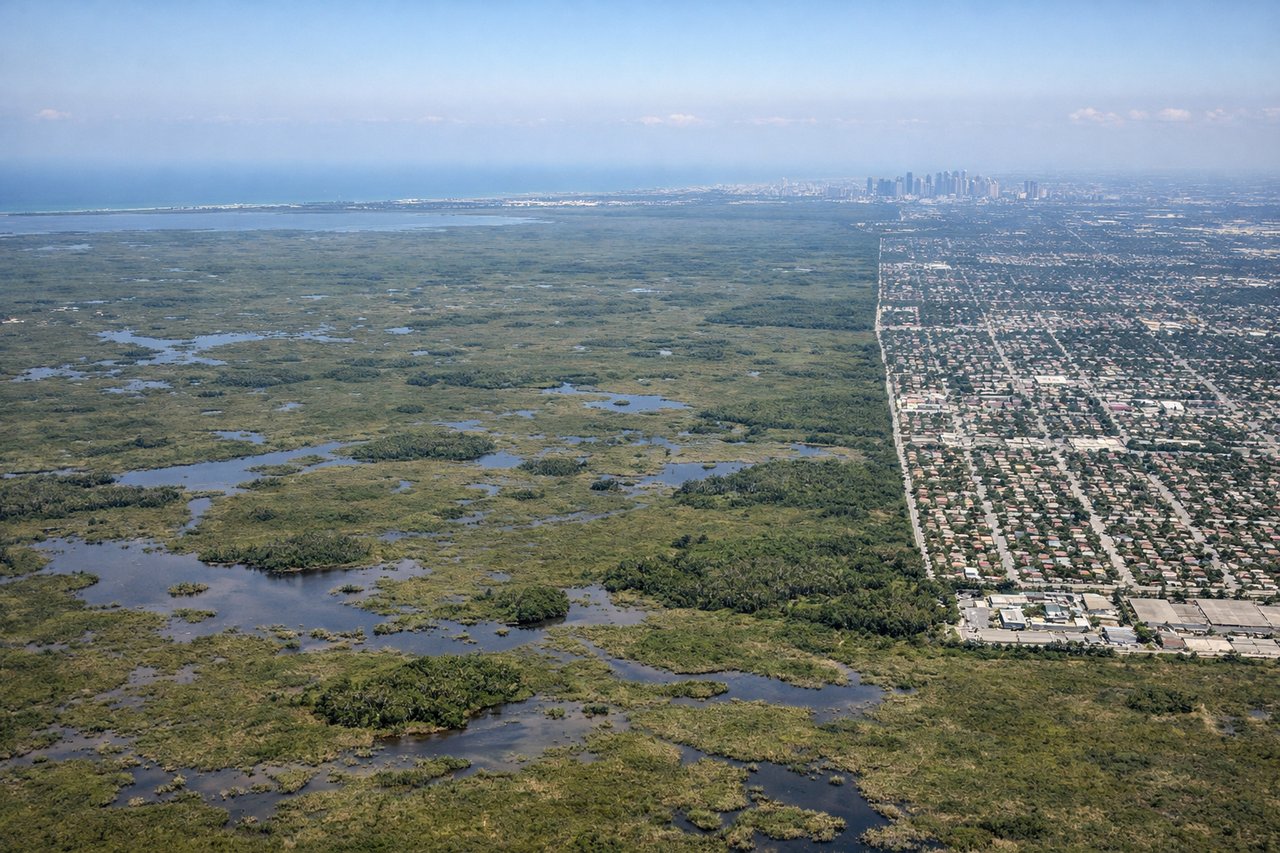
LEFTLeft-side seats provide views of the Florida mainland, Biscayne Bay, and the Miami metropolitan area during descent. You'll see the Miami skyline, barrier islands, and the transition from open water to developed coastline as you approach MIA.
Will your flight be in sunlight?
Pick a date and time in the Sun Map to watch the sun move across your whole flight.
About This Route
Which side of the plane should I sit on flying from Exuma International (GGT) to Miami International (MIA)?
Sit on the Left side of the plane for the best views on flights from Great Exuma to Miami. While takeoff offers excellent views of the Exuma Cays, the landing approach into Miami provides more dramatic and varied scenery—the transition from open ocean to one of the busiest ports in the U.S., with the Miami skyline, barrier islands, and Biscayne Bay all visible in sequence. Left seats capture this entire approach corridor.
What can I see during takeoff from Exuma International in Great Exuma?
During takeoff from Exuma International (GGT), sit on the Right side for the best views. Right-side seats offer views of the Exuma Cays archipelago and the shallow turquoise banks immediately north and west of Great Exuma as the aircraft climbs northwestward toward Miami. The contrast between deep blue ocean and pale sand flats is striking from altitude. Notable sights include: Exuma Cays (chain of small islands), Thunderball Grotto area, shallow turquoise Bahama Banks, Elizabeth Harbour.
What can I see when landing at Miami International in Miami?
When landing at Miami International (MIA), sit on the Left side for the best views. Left-side seats provide views of the Florida mainland, Biscayne Bay, and the Miami metropolitan area during descent. You'll see the Miami skyline, barrier islands, and the transition from open water to developed coastline as you approach MIA. Notable sights include: Biscayne Bay, Miami skyline and downtown district, barrier islands (Miami Beach, Key Biscayne), Port of Miami.
How long is the flight from Great Exuma to Miami?
The flight from Exuma International (GGT) to Miami International (MIA) takes about 45 minutes. The shortest flight path between them is 317 miles (510 km); winds and air traffic control usually add a few percent.
What does the Great Exuma to Miami flight path pass over?
The flight path crosses the Northwest Providence Channel and the open Atlantic between the Bahamas and Florida. At midpoint (roughly 22 minutes into flight), you'll be over deep blue open ocean with no visible land. The Bahama Banks gradually give way to the deeper Atlantic, then Florida's continental shelf becomes visible as a subtle color change in the water. No major landmarks are visible during the middle 20 minutes of this short flight—it's primarily open water until the Florida coast appears on approach.