Left side wins at both ends of the flight. The São Paulo metro and Serra da Cantareira on departure, and Chicago's iconic lakefront skyline on approach, both favor the left. Over the Amazon basin and Caribbean the views are largely symmetric cloud and jungle, so the endpoints decide it.
Flight Path
The route tracks northwest over the Brazilian interior and Amazon basin (vast unbroken rainforest canopy with river meanders visible on clear days), crosses the Caribbean Sea near Venezuela and the Lesser Antilles, passes over Cuba and the Gulf of Mexico, then enters the US over Florida or the Gulf Coast before tracking north through the Mississippi Valley toward the Great Lakes
Great circle distance and headings ›

.jpeg?width=600)

Phase by phase

Takeoff from GRU
LEFTGRU's primary departures to the north use runway 09R/27L or 10/28. Departing westbound or northbound, the left side faces south toward the Serra da Cantareira and the dense urban sprawl of São Paulo city center, with Guarulhos industrial zones giving way to the metropolitan grid. The Tietê River valley is clearly traceable snaking through the urban fabric below.
Landing at ORD
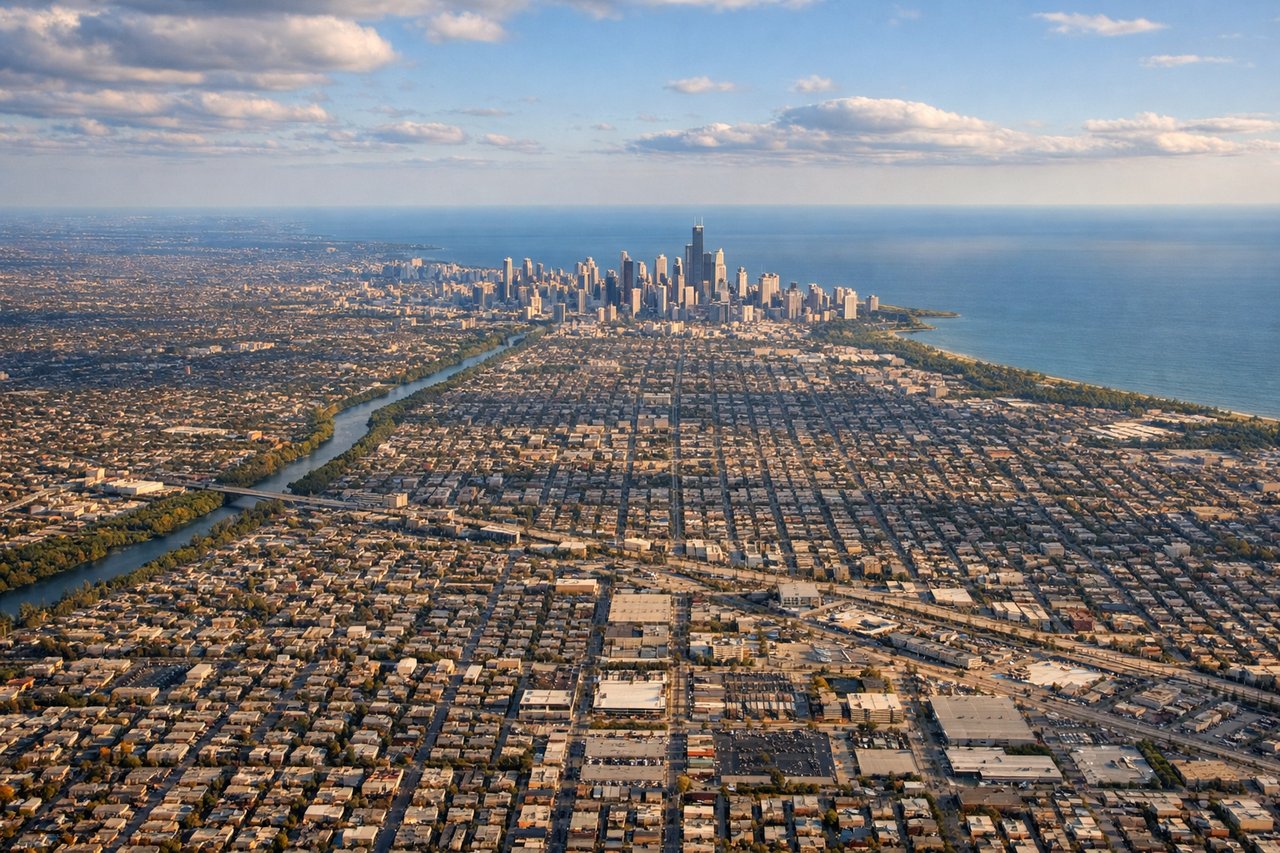
LEFTArrivals into ORD from the south typically use runways 10L/R or 28L/R. On approach from the south or southeast, the left side gives a clear view of downtown Chicago's skyline, Lake Michigan's shoreline, and the lakefront parks. The right side faces inland toward suburban sprawl with far less visual interest.
Landmarks on this routeAll landmarks →
Will your flight be in sunlight?
See exactly which side of the plane gets sun and shade at your departure time.
About This Route
Which side of the plane should I sit on flying from Guarulhos (GRU) to Chicago Ohare International (ORD)?
Sit on the Left side of the plane for the best views on flights from Sao Paulo to Chicago. Left side wins at both ends of the flight. The São Paulo metro and Serra da Cantareira on departure, and Chicago's iconic lakefront skyline on approach, both favor the left. Over the Amazon basin and Caribbean the views are largely symmetric cloud and jungle, so the endpoints decide it.
What can I see during takeoff from Guarulhos in Sao Paulo?
During takeoff from Guarulhos (GRU), sit on the Left side for the best views. GRU's primary departures to the north use runway 09R/27L or 10/28. Departing westbound or northbound, the left side faces south toward the Serra da Cantareira and the dense urban sprawl of São Paulo city center, with Guarulhos industrial zones giving way to the metropolitan grid. The Tietê River valley is clearly traceable snaking through the urban fabric below. Notable sights include: Serra da Cantareira hills to the south, Tietê River winding through São Paulo metro, Guarulhos urban grid, Pinheiros River confluence zone in the distance.
What can I see when landing at Chicago Ohare International in Chicago?
When landing at Chicago Ohare International (ORD), sit on the Left side for the best views. Arrivals into ORD from the south typically use runways 10L/R or 28L/R. On approach from the south or southeast, the left side gives a clear view of downtown Chicago's skyline, Lake Michigan's shoreline, and the lakefront parks. The right side faces inland toward suburban sprawl with far less visual interest. Notable sights include: Chicago downtown skyline (Willis Tower, John Hancock), Lake Michigan shoreline, Grant Park and lakefront, Chicago River grid in the Loop.
How long is the flight from Sao Paulo to Chicago?
The flight from Guarulhos (GRU) to Chicago Ohare International (ORD) takes Approximately 10 to 11 hours.
What does the Sao Paulo to Chicago flight path pass over?
The route tracks northwest over the Brazilian interior and Amazon basin (vast unbroken rainforest canopy with river meanders visible on clear days), crosses the Caribbean Sea near Venezuela and the Lesser Antilles, passes over Cuba and the Gulf of Mexico, then enters the US over Florida or the Gulf Coast before tracking north through the Mississippi Valley toward the Great Lakes