While the takeoff offers mountain views on the right, the landing approach into LGA on the left provides more dramatic and iconic scenery—the Hudson River, Manhattan skyline, and East River are far more visually distinctive than the Piedmont terrain visible during cruise. The landing experience outweighs the takeoff advantage.
Flown GSP to LGA? Did we get it right?
Flight Path
Greenville/Greer/Spartanburg to New York is 610 miles (981 km), a flight of about 1 hour 55 minutes.
Appalachian ridgelines (Tennessee/North Carolina border region), Shenandoah Valley floor, Blue Ridge Mountains eastern escarpment, Potomac River valley, Washington DC area (if visible during cruise), Chesapeake Bay (eastern shore visible at altitude), Delaware and Maryland coastal plains, New Jersey Pine Barrens, Hudson River estuary approach
Great circle distance and headings ›

Phase by phase
Takeoff from GSP
RIGHTRight-side seats offer views of the Blue Ridge Mountains as the aircraft climbs northwest out of GSP. The ridgeline is clearly visible from 8,000–15,000 feet during the initial climb phase, running roughly north-south across the right wing.
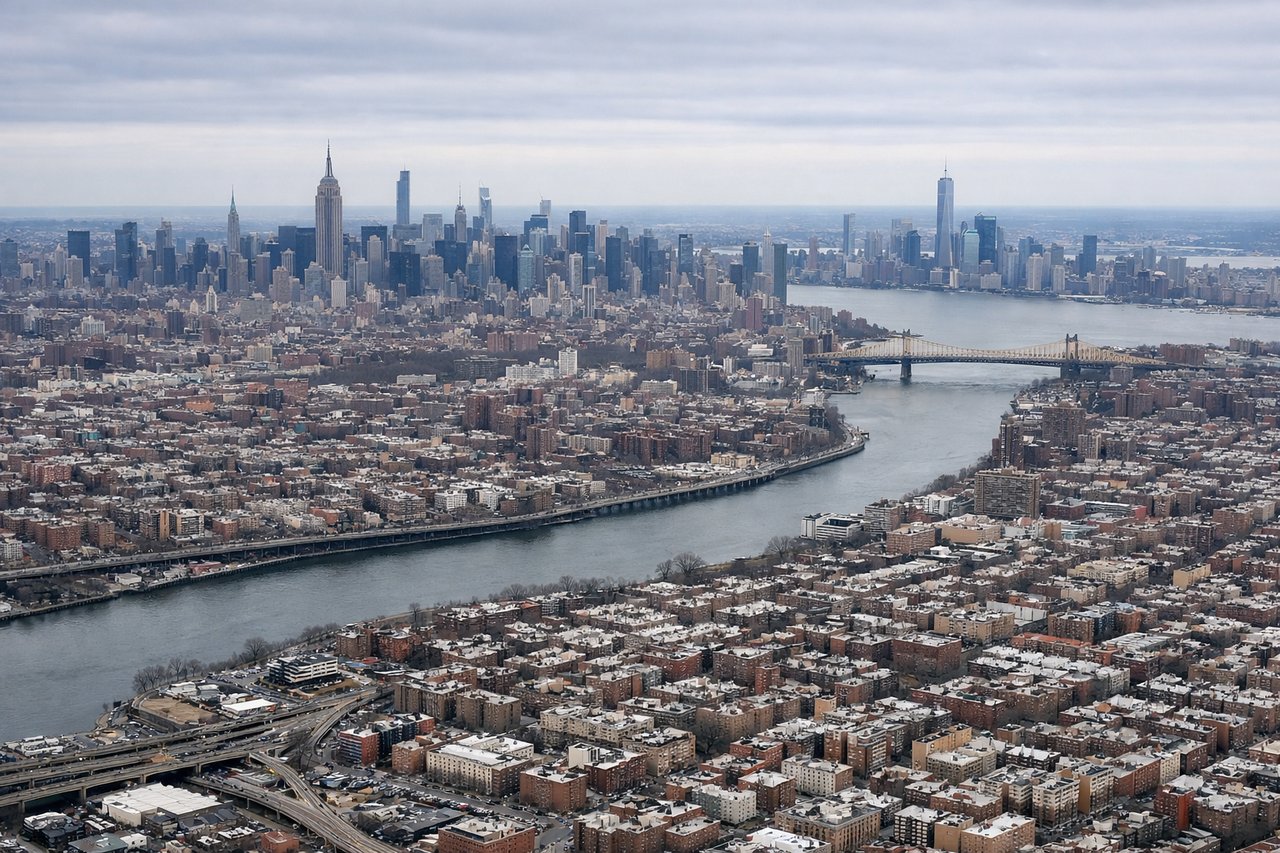
Landing at LGA
LEFTLeft-side seats provide excellent views of the Hudson River, Manhattan's skyline, and the East River during the final approach into LGA. The aircraft descends over the Bronx and Queens, giving left-side passengers a direct view of the water bodies and urban density that define the New York area.
Will your flight be in sunlight?
Pick a date and time in the Sun Map to watch the sun move across your whole flight.
About This Route
Which side of the plane should I sit on flying from Greenville-Spartanburg International Airport (GSP) to La Guardia (LGA)?
Sit on the Left side of the plane for the best views on flights from Greenville/Greer/Spartanburg to New York. While the takeoff offers mountain views on the right, the landing approach into LGA on the left provides more dramatic and iconic scenery—the Hudson River, Manhattan skyline, and East River are far more visually distinctive than the Piedmont terrain visible during cruise. The landing experience outweighs the takeoff advantage.
What can I see during takeoff from Greenville-Spartanburg International Airport in Greenville/Greer/Spartanburg?
During takeoff from Greenville-Spartanburg International Airport (GSP), sit on the Right side for the best views. Right-side seats offer views of the Blue Ridge Mountains as the aircraft climbs northwest out of GSP. The ridgeline is clearly visible from 8,000–15,000 feet during the initial climb phase, running roughly north-south across the right wing. Notable sights include: Blue Ridge Mountains (northwest), Greenville urban area (directly below/behind), Saluda River valley (foreground), Piedmont plateau terrain (extending right and forward).
What can I see when landing at La Guardia in New York?
When landing at La Guardia (LGA), sit on the Left side for the best views. Left-side seats provide excellent views of the Hudson River, Manhattan's skyline, and the East River during the final approach into LGA. The aircraft descends over the Bronx and Queens, giving left-side passengers a direct view of the water bodies and urban density that define the New York area. Notable sights include: Hudson River (left side), Manhattan skyline (left-center), East River (left), Queens urban grid (right and foreground).
How long is the flight from Greenville/Greer/Spartanburg to New York?
The flight from Greenville-Spartanburg International Airport (GSP) to La Guardia (LGA) takes about 1 hour 55 minutes. The shortest flight path between them is 610 miles (981 km); winds and air traffic control usually add a few percent.
What does the Greenville/Greer/Spartanburg to New York flight path pass over?
Appalachian ridgelines (Tennessee/North Carolina border region), Shenandoah Valley floor, Blue Ridge Mountains eastern escarpment, Potomac River valley, Washington DC area (if visible during cruise), Chesapeake Bay (eastern shore visible at altitude), Delaware and Maryland coastal plains, New Jersey Pine Barrens, Hudson River estuary approach