While takeoff offers excellent delta views on the right, the landing approach on the left provides more dramatic and sustained scenery—the Western Ghats escarpment and Arabian Sea approach are more visually striking than the relatively flat delta departure.
Flown HAN to BOM? Did we get it right?
Flight Path
Hanoi to Bombay is 2,138 miles (3,440 km), a flight of about 4 hours.
The flight path crosses the Bay of Bengal heading southwest. Notable features include the Irrawaddy Delta region of Myanmar (visible as a large river delta system if flying slightly south of the direct route), the Andaman Sea, and the transition toward the Indian coast. The flight passes over open water for much of the journey, with limited ground features visible in the middle section. As you approach India, the Western Ghats become visible as a distinct escarpment running parallel to the coast.
Great circle distance and headings ›

Phase by phase
Takeoff from HAN
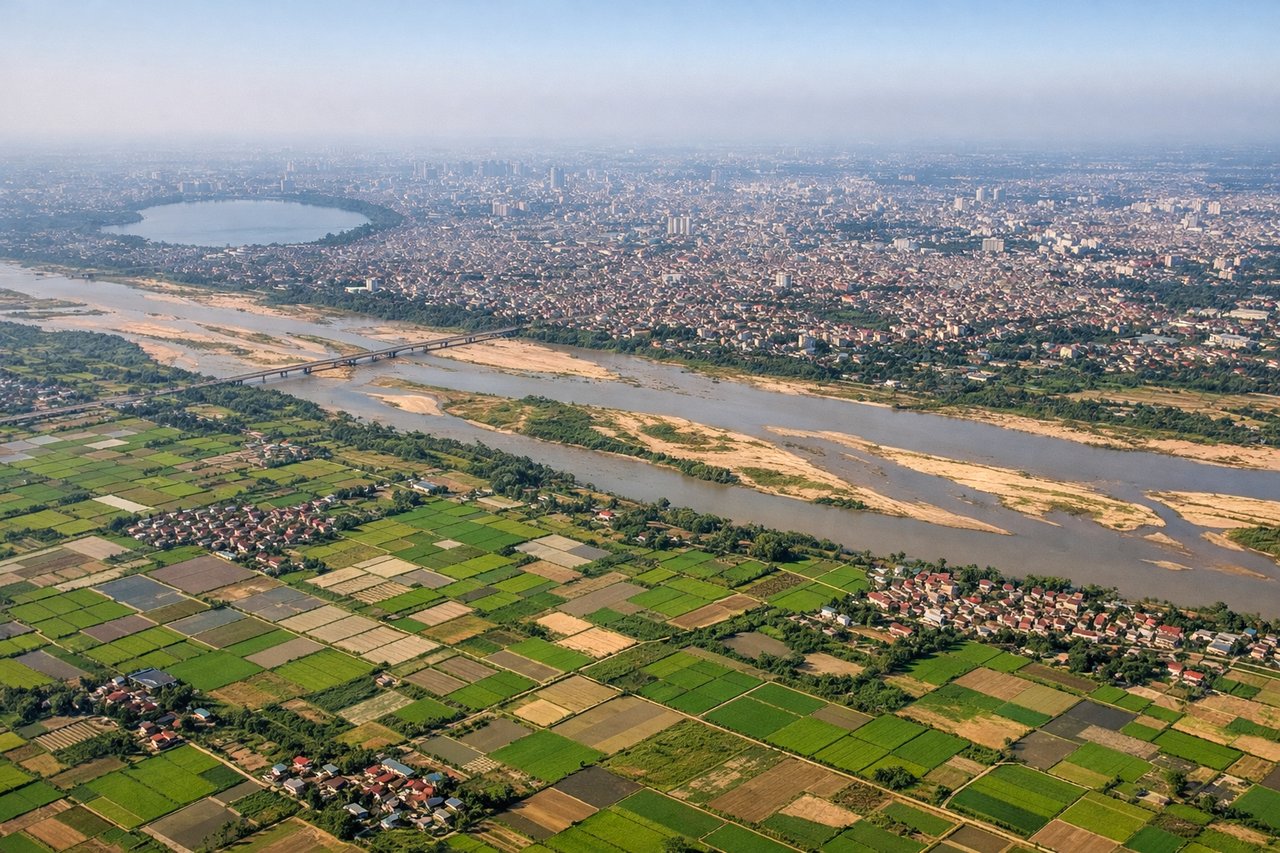
RIGHTRight-side seats capture the Red River Delta and Hanoi's urban sprawl as you climb out. The delta's distinctive patchwork of rice paddies and waterways is visible immediately after takeoff, with the river's meandering channels clearly defined against the flat terrain.
Landing at BOM
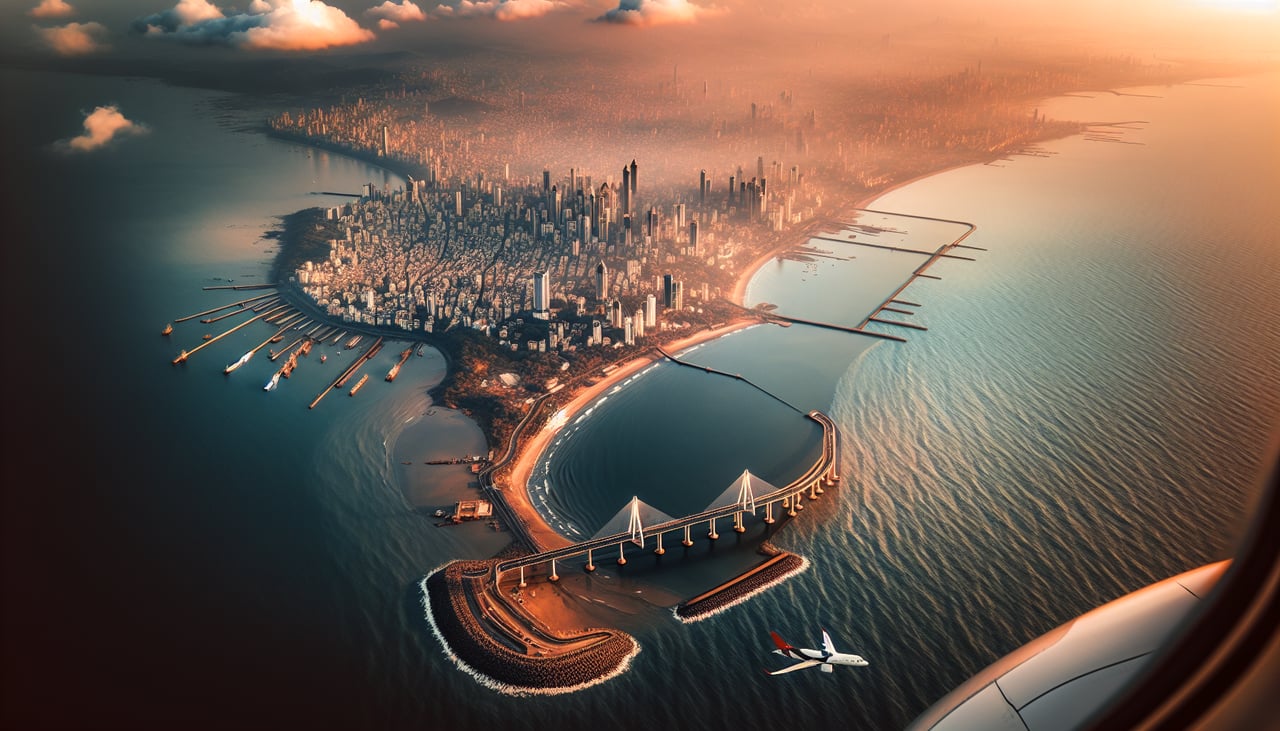
LEFTLeft-side seats offer the best views during descent into Bombay. You'll see the Western Ghats mountain range rising inland, and as you descend toward the coast, the Arabian Sea comes into view with Mumbai's coastal sprawl and the distinctive geography of the Bombay peninsula becoming increasingly clear.
Will your flight be in sunlight?
Pick a date and time in the Sun Map to watch the sun move across your whole flight.
About This Route
Which side of the plane should I sit on flying from Noibai International (HAN) to Chhatrapati Shivaji International (BOM)?
Sit on the Left side of the plane for the best views on flights from Hanoi to Bombay. While takeoff offers excellent delta views on the right, the landing approach on the left provides more dramatic and sustained scenery—the Western Ghats escarpment and Arabian Sea approach are more visually striking than the relatively flat delta departure.
What can I see during takeoff from Noibai International in Hanoi?
During takeoff from Noibai International (HAN), sit on the Right side for the best views. Right-side seats capture the Red River Delta and Hanoi's urban sprawl as you climb out. The delta's distinctive patchwork of rice paddies and waterways is visible immediately after takeoff, with the river's meandering channels clearly defined against the flat terrain. Notable sights include: Red River Delta (agricultural grid pattern), Hanoi city center (urban density to the southwest), Thai Nguyen Province highlands (distant ridges to the northwest), Haiphong port area (coastal features to the east).
What can I see when landing at Chhatrapati Shivaji International in Bombay?
When landing at Chhatrapati Shivaji International (BOM), sit on the Left side for the best views. Left-side seats offer the best views during descent into Bombay. You'll see the Western Ghats mountain range rising inland, and as you descend toward the coast, the Arabian Sea comes into view with Mumbai's coastal sprawl and the distinctive geography of the Bombay peninsula becoming increasingly clear. Notable sights include: Western Ghats escarpment (dramatic inland ridge), Arabian Sea (western coastline), Mumbai peninsula and harbor (urban waterfront), Elephanta Island and surrounding islands (offshore features in the harbor approach).
How long is the flight from Hanoi to Bombay?
The flight from Noibai International (HAN) to Chhatrapati Shivaji International (BOM) takes about 4 hours. The shortest flight path between them is 2,138 miles (3,440 km); winds and air traffic control usually add a few percent.
What does the Hanoi to Bombay flight path pass over?
The flight path crosses the Bay of Bengal heading southwest. Notable features include the Irrawaddy Delta region of Myanmar (visible as a large river delta system if flying slightly south of the direct route), the Andaman Sea, and the transition toward the Indian coast. The flight passes over open water for much of the journey, with limited ground features visible in the middle section. As you approach India, the Western Ghats become visible as a distinct escarpment running parallel to the coast.