Harbin to Seoul is 563 miles (907 km), a flight of about 2 hours 10 minutes.
While takeoff offers river and city views, the landing approach provides more dramatic and varied scenery—the Han River estuary, tidal flats, and coastal geography are visually distinctive and change noticeably during descent. Left-side seats capture this better.
Flight Path
The flight path crosses the Liaodong Peninsula's eastern edge and passes over the Yellow Sea. Passengers may glimpse the Yalu River valley (Korea–China border) to the left during cruise, and the North Korean coastline briefly before turning toward Incheon. The Bohai Sea and Liaodong Bay are visible to the south during the initial eastbound climb.
Great circle distance and headings ›Phase by phase
Takeoff from HRB
RIGHTRight-side seats offer views of the Songhua River valley and the urban sprawl of Harbin itself during the initial climb-out. The river's distinctive meandering path and the city's grid pattern are clearly visible from 5,000–15,000 feet before the aircraft turns southeast toward Korea.
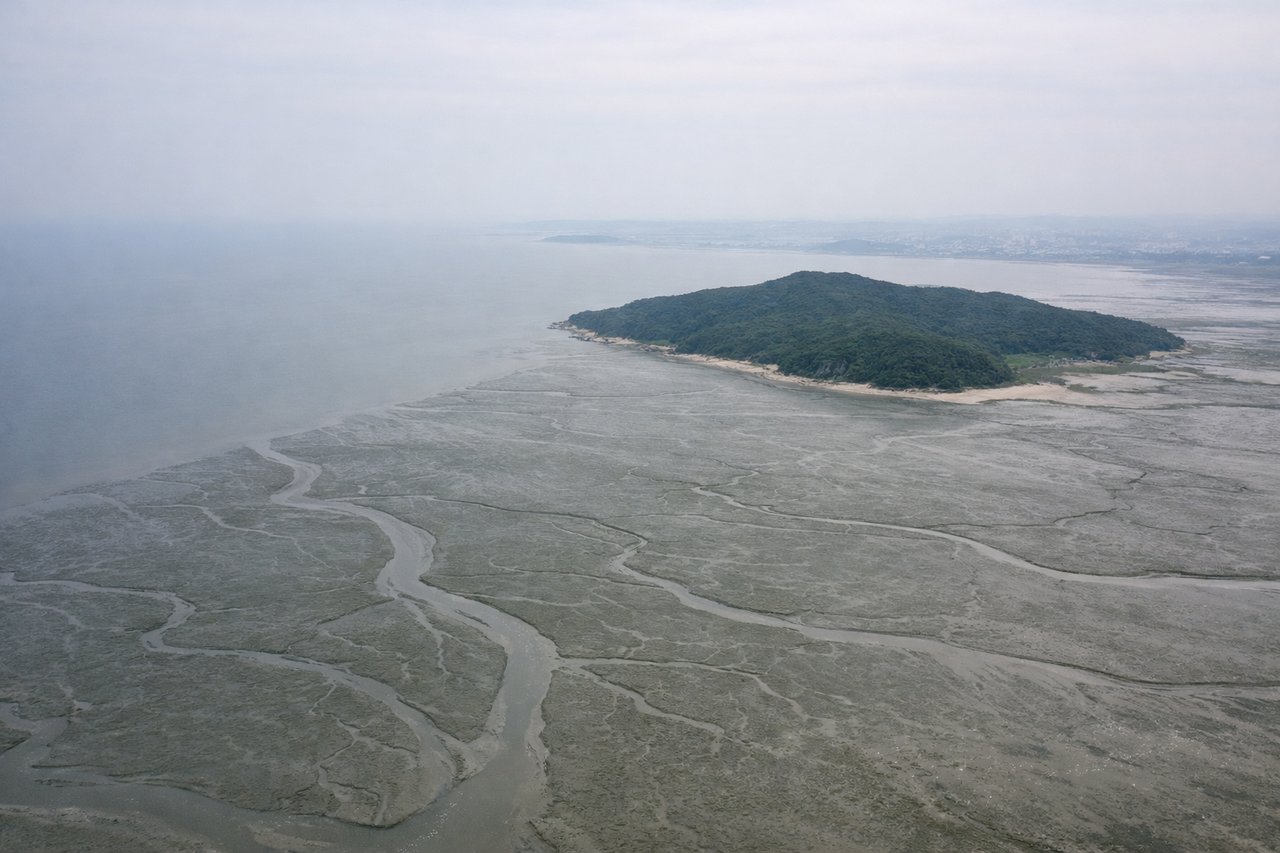
Landing at ICN
LEFTLeft-side seats provide excellent views of the Han River estuary, Incheon's tidal flats, and the Yellow Sea coastline as the aircraft descends toward Incheon International. The river's wide mouth and the distinctive pattern of reclaimed land and islands are striking during the final approach.
Will your flight be in sunlight?
Pick a date and time in the Sun Map to watch the sun move across your whole flight.
About This Route
Which side of the plane should I sit on flying from Taiping (HRB) to Incheon International (ICN)?
Sit on the Left side of the plane for the best views on flights from Harbin to Seoul. While takeoff offers river and city views, the landing approach provides more dramatic and varied scenery—the Han River estuary, tidal flats, and coastal geography are visually distinctive and change noticeably during descent. Left-side seats capture this better.
What can I see during takeoff from Taiping in Harbin?
During takeoff from Taiping (HRB), sit on the Right side for the best views. Right-side seats offer views of the Songhua River valley and the urban sprawl of Harbin itself during the initial climb-out. The river's distinctive meandering path and the city's grid pattern are clearly visible from 5,000–15,000 feet before the aircraft turns southeast toward Korea. Notable sights include: Songhua River (meandering through Harbin), Harbin urban districts (Daoli and Nangang), flat Manchurian Plain extending south.
What can I see when landing at Incheon International in Seoul?
When landing at Incheon International (ICN), sit on the Left side for the best views. Left-side seats provide excellent views of the Han River estuary, Incheon's tidal flats, and the Yellow Sea coastline as the aircraft descends toward Incheon International. The river's wide mouth and the distinctive pattern of reclaimed land and islands are striking during the final approach. Notable sights include: Han River estuary, Incheon tidal flats and reclaimed islands, Yellow Sea coastline, Seoul metropolitan area (distant, inland).
How long is the flight from Harbin to Seoul?
The flight from Taiping (HRB) to Incheon International (ICN) takes about 2 hours 10 minutes. The shortest flight path between them is 563 miles (907 km); winds and air traffic control usually add a few percent.
What does the Harbin to Seoul flight path pass over?
The flight path crosses the Liaodong Peninsula's eastern edge and passes over the Yellow Sea. Passengers may glimpse the Yalu River valley (Korea–China border) to the left during cruise, and the North Korean coastline briefly before turning toward Incheon. The Bohai Sea and Liaodong Bay are visible to the south during the initial eastbound climb.