The left side wins because the great-circle route over Canada, Alaska, and Kamchatka places mountainous terrain and volcanic peaks predominantly on that side during cruise, and the Haneda approach offers a rare Mount Fuji view, whereas the right side is dominated by featureless ocean for most of the flight.
Flight Path
Canadian Rockies foothills in Alberta, Alaska Range near Denali, Bering Sea, Kamchatka Peninsula's volcanic chain, Sea of Okhotsk
Great circle distance and headings ›.jpg?width=600)


Phase by phase
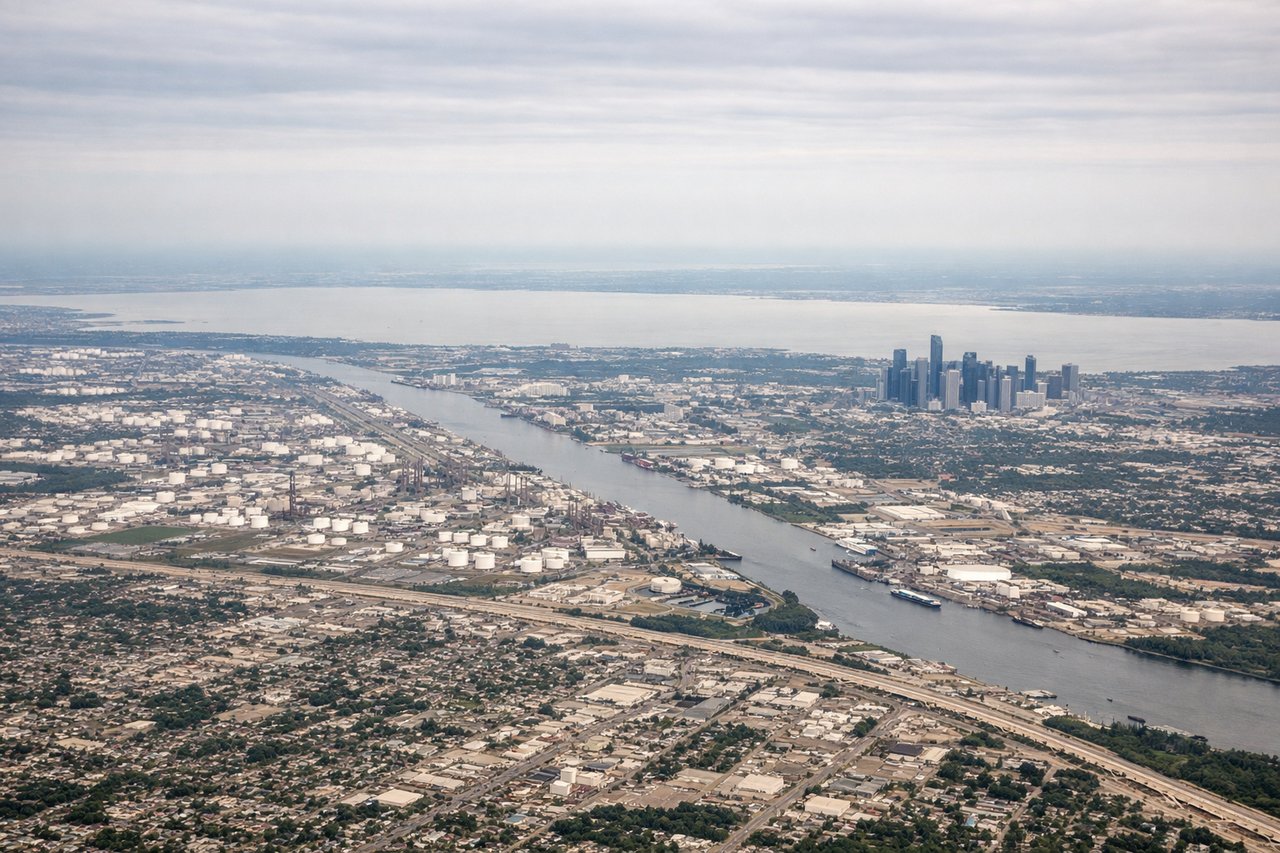
Takeoff from IAH
LEFTDeparting IAH northbound, the climb-out gives a brief look back at Houston's downtown skyline and the bayous threading through the suburbs before the flat coastal plain gives way to featureless farmland. The right side over Baytown/Galveston Bay area is flatter and less distinct.
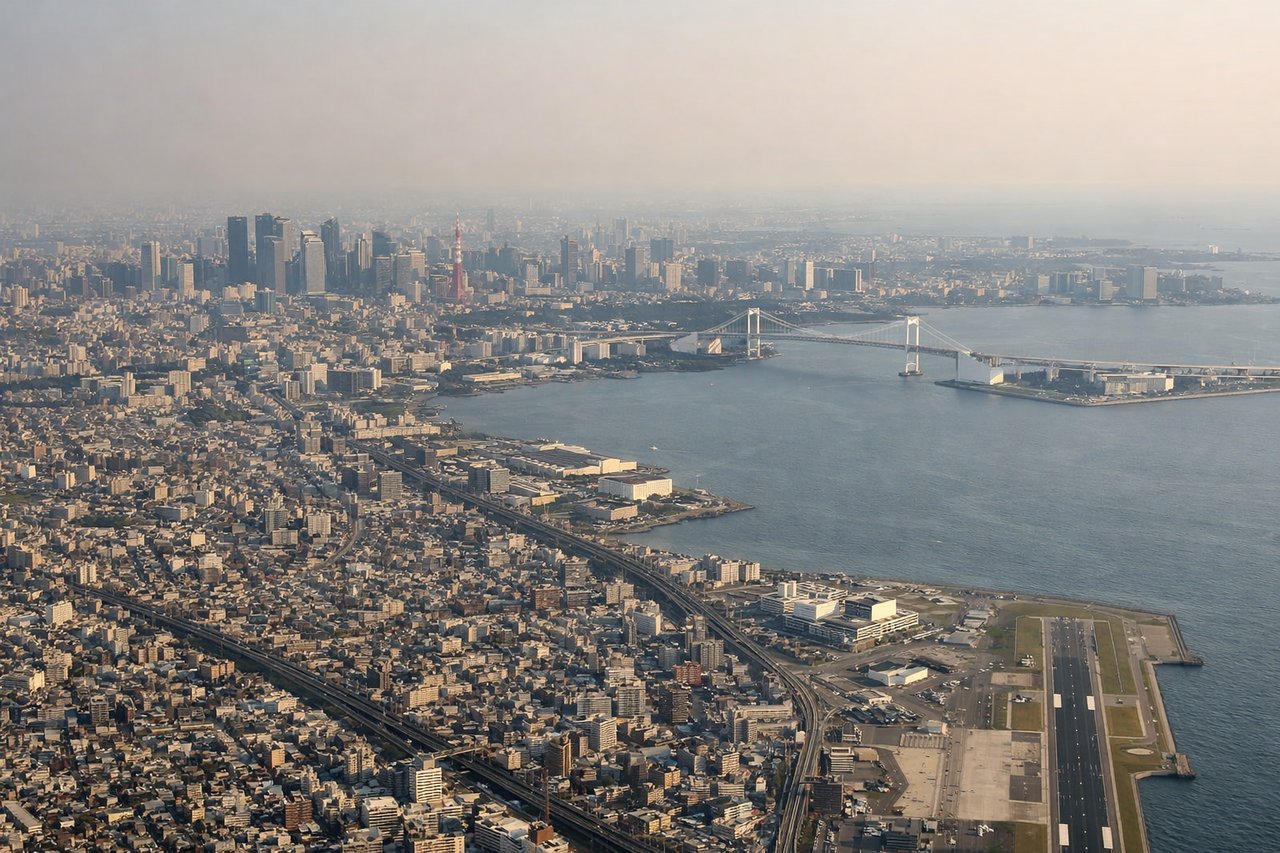
Landing at HND
LEFTOn a south-wind arrival into Haneda, aircraft approach from over Tokyo Bay heading north toward runways 34L/34R, and on clear days Mount Fuji's snow-capped cone is visible to the southwest on the left side. The right side mostly shows open bay water and the Chiba coastline with less distinctive scenery.
Landmarks on this routeAll landmarks →
Will your flight be in sunlight?
See exactly which side of the plane gets sun and shade at your departure time.
About This Route
Which side of the plane should I sit on flying from George Bush Intcntl Houston (IAH) to Tokyo International (HND)?
Sit on the Left side of the plane for the best views on flights from Houston to Tokyo. The left side wins because the great-circle route over Canada, Alaska, and Kamchatka places mountainous terrain and volcanic peaks predominantly on that side during cruise, and the Haneda approach offers a rare Mount Fuji view, whereas the right side is dominated by featureless ocean for most of the flight.
What can I see during takeoff from George Bush Intcntl Houston in Houston?
During takeoff from George Bush Intcntl Houston (IAH), sit on the Left side for the best views. Departing IAH northbound, the climb-out gives a brief look back at Houston's downtown skyline and the bayous threading through the suburbs before the flat coastal plain gives way to featureless farmland. The right side over Baytown/Galveston Bay area is flatter and less distinct. Notable sights include: Downtown Houston skyline, Buffalo Bayou, Houston suburban sprawl.
What can I see when landing at Tokyo International in Tokyo?
When landing at Tokyo International (HND), sit on the Left side for the best views. On a south-wind arrival into Haneda, aircraft approach from over Tokyo Bay heading north toward runways 34L/34R, and on clear days Mount Fuji's snow-capped cone is visible to the southwest on the left side. The right side mostly shows open bay water and the Chiba coastline with less distinctive scenery. Notable sights include: Mount Fuji, Tokyo Bay, Yokohama skyline, Haneda's man-made runway islands.
How long is the flight from Houston to Tokyo?
The flight from George Bush Intcntl Houston (IAH) to Tokyo International (HND) takes 13h 45m.
What does the Houston to Tokyo flight path pass over?
Canadian Rockies foothills in Alberta, Alaska Range near Denali, Bering Sea, Kamchatka Peninsula's volcanic chain, Sea of Okhotsk