While takeoff favors the right for Iguazu Falls views, the landing approach into Congonhas strongly favors the left for mountain range and river valley visibility. Since landing views are more dramatic and the approach phase offers sustained viewing time, left-side seats provide the better overall experience for this route.
Flight Path
The flight path crosses central Paraná state, passing over the Paraná Plateau's forested terrain and agricultural regions. The Paranapanema River valley may be visible as a linear feature in the midpoint of the journey. As the aircraft approaches São Paulo state, the landscape transitions from plateau forest to rolling hills and increasingly dense settlement patterns. The Serra da Mantiqueira becomes visible on the left (eastern) side during the descent phase.
Great circle distance and headings ›


Phase by phase
Takeoff from IGU
RIGHTCataratas typically departs to the east or northeast. Right-side seats offer views of the Paraná River valley and the immediate terrain surrounding the falls. The left side faces inland toward Paraguay and Argentina with less distinctive visual features during climb-out.
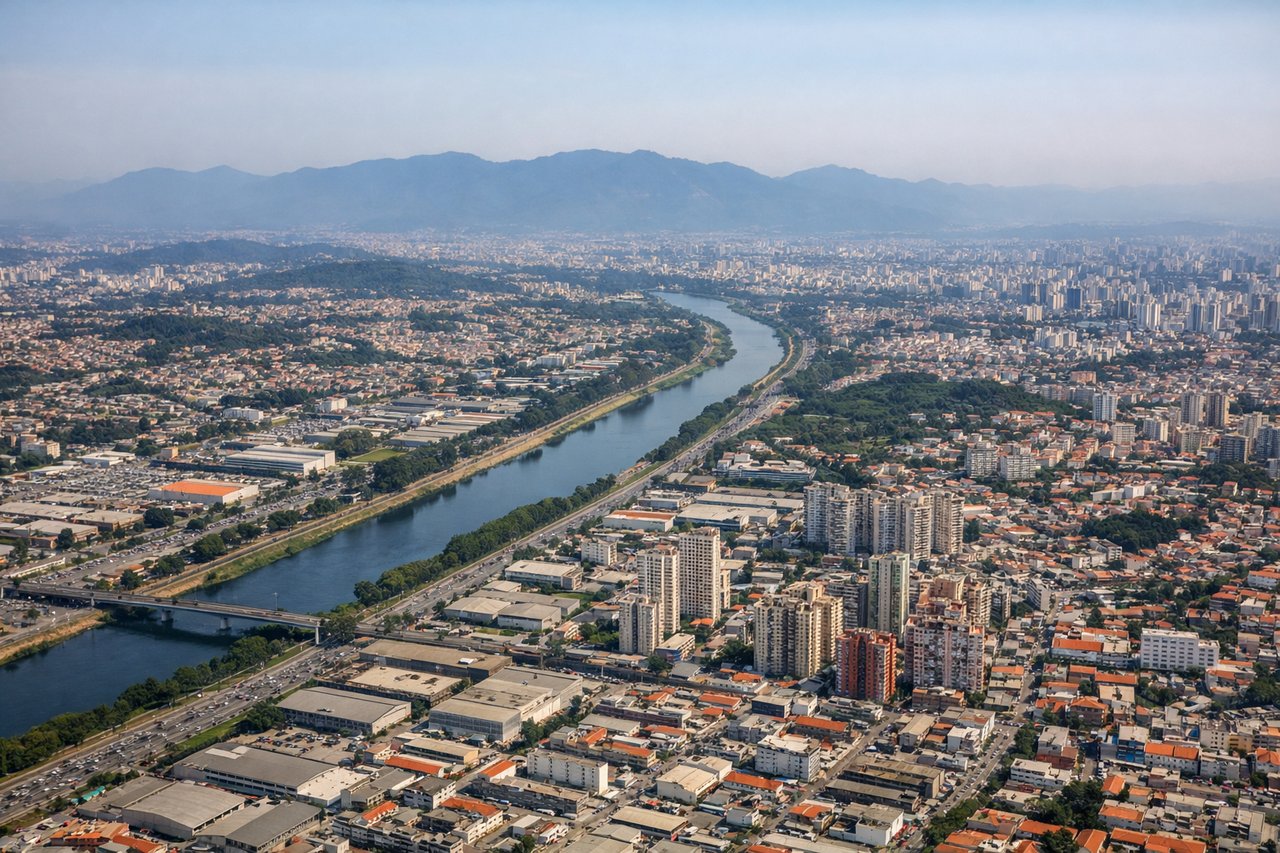
Landing at CGH
LEFTCongonhas typically uses runways aligned north-south (09/27 primary). On approach from the northwest, left-side seats face toward the Serra da Mantiqueira mountains and the approach path over greater São Paulo's western suburbs. Right-side views show the city's southern sprawl with less dramatic topography.
Landmarks on this routeAll landmarks →
Will your flight be in sunlight?
See exactly which side of the plane gets sun and shade at your departure time.
About This Route
Which side of the plane should I sit on flying from Cataratas International (IGU) to Congonhas (CGH)?
Sit on the Left side of the plane for the best views on flights from Foz Do Iguacu to Sao Paulo. While takeoff favors the right for Iguazu Falls views, the landing approach into Congonhas strongly favors the left for mountain range and river valley visibility. Since landing views are more dramatic and the approach phase offers sustained viewing time, left-side seats provide the better overall experience for this route.
What can I see during takeoff from Cataratas International in Foz Do Iguacu?
During takeoff from Cataratas International (IGU), sit on the Right side for the best views. Cataratas typically departs to the east or northeast. Right-side seats offer views of the Paraná River valley and the immediate terrain surrounding the falls. The left side faces inland toward Paraguay and Argentina with less distinctive visual features during climb-out. Notable sights include: Paraná River (visible as a wide, meandering waterway below), Iguazu Falls themselves (receding behind as you climb), forested plateau terrain of Misiones Province, and the triple-border region where Argentina, Brazil, and Paraguay meet.
What can I see when landing at Congonhas in Sao Paulo?
When landing at Congonhas (CGH), sit on the Left side for the best views. Congonhas typically uses runways aligned north-south (09/27 primary). On approach from the northwest, left-side seats face toward the Serra da Mantiqueira mountains and the approach path over greater São Paulo's western suburbs. Right-side views show the city's southern sprawl with less dramatic topography. Notable sights include: Serra da Mantiqueira mountain range (appearing as a distant ridge on the horizon to the left), Pinheiros River and Tietê River valleys (visible as linear features cutting through the urban grid), São Paulo's western suburbs and industrial zones, and Congonhas Airport itself nestled in the urban landscape.
How long is the flight from Foz Do Iguacu to Sao Paulo?
The flight from Cataratas International (IGU) to Congonhas (CGH) takes Approximately 2 hours 15 minutes.
What does the Foz Do Iguacu to Sao Paulo flight path pass over?
The flight path crosses central Paraná state, passing over the Paraná Plateau's forested terrain and agricultural regions. The Paranapanema River valley may be visible as a linear feature in the midpoint of the journey. As the aircraft approaches São Paulo state, the landscape transitions from plateau forest to rolling hills and increasingly dense settlement patterns. The Serra da Mantiqueira becomes visible on the left (eastern) side during the descent phase.