The left side wins both the Istanbul departure, with the Bosphorus and historic skyline in view, and the Miami arrival, with the Bahamas shallows and Miami skyline visible during the approach turn, while the right side offers mostly open water and flat terrain on both ends.
Flight Path
North Atlantic Ocean crossing, with the Balkan coastline and possibly the Azores visible depending on routing, followed by long stretches of open ocean before reaching the Bahamas.
Great circle distance and headings ›_in_Istanbul.jpg?width=600)


.jpg?width=600)


Phase by phase
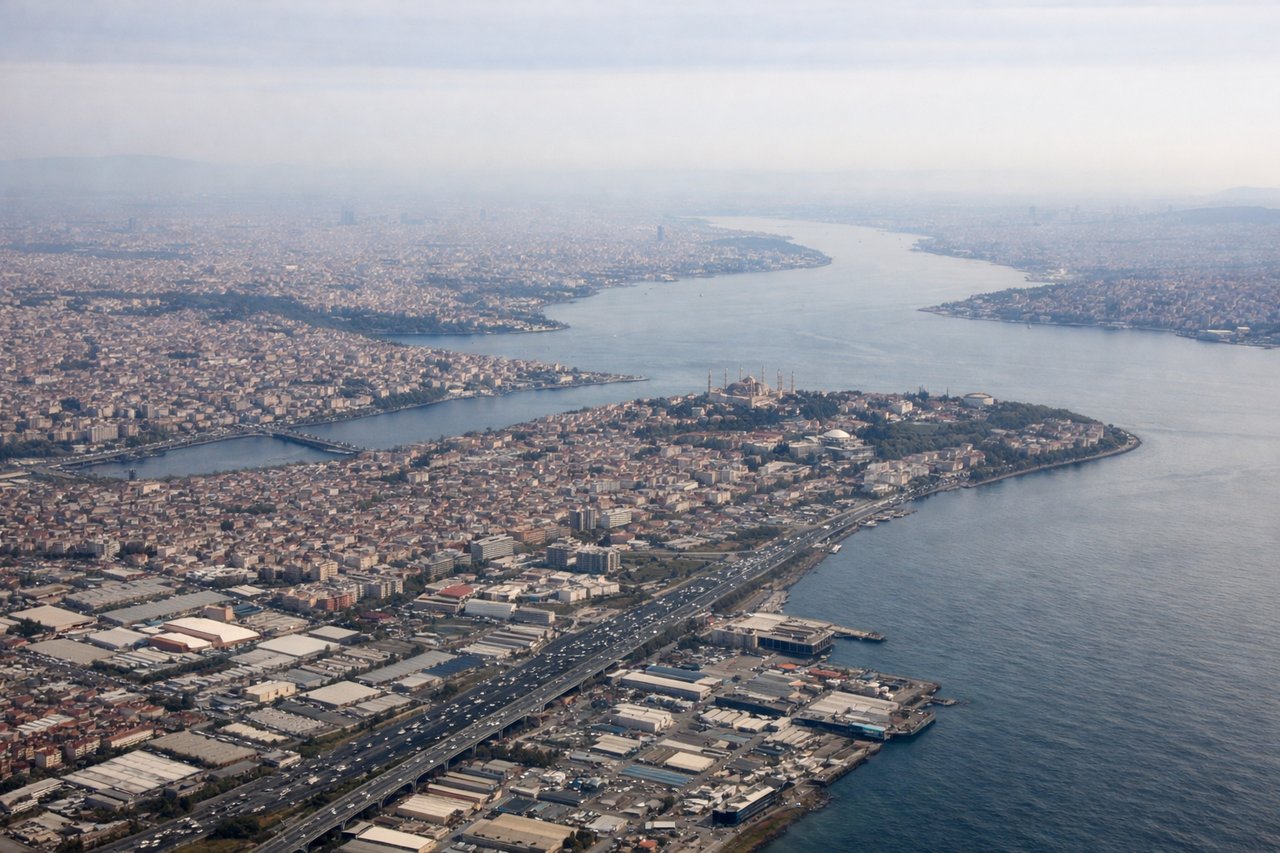
Takeoff from IST
LEFTDeparting IST, aircraft typically climb out and turn west toward the Balkans, putting Istanbul's historic peninsula, the Bosphorus, and the Sea of Marmara on the left side of the plane. The right side mostly shows the flatter Black Sea coastline and suburban sprawl north of the airport.
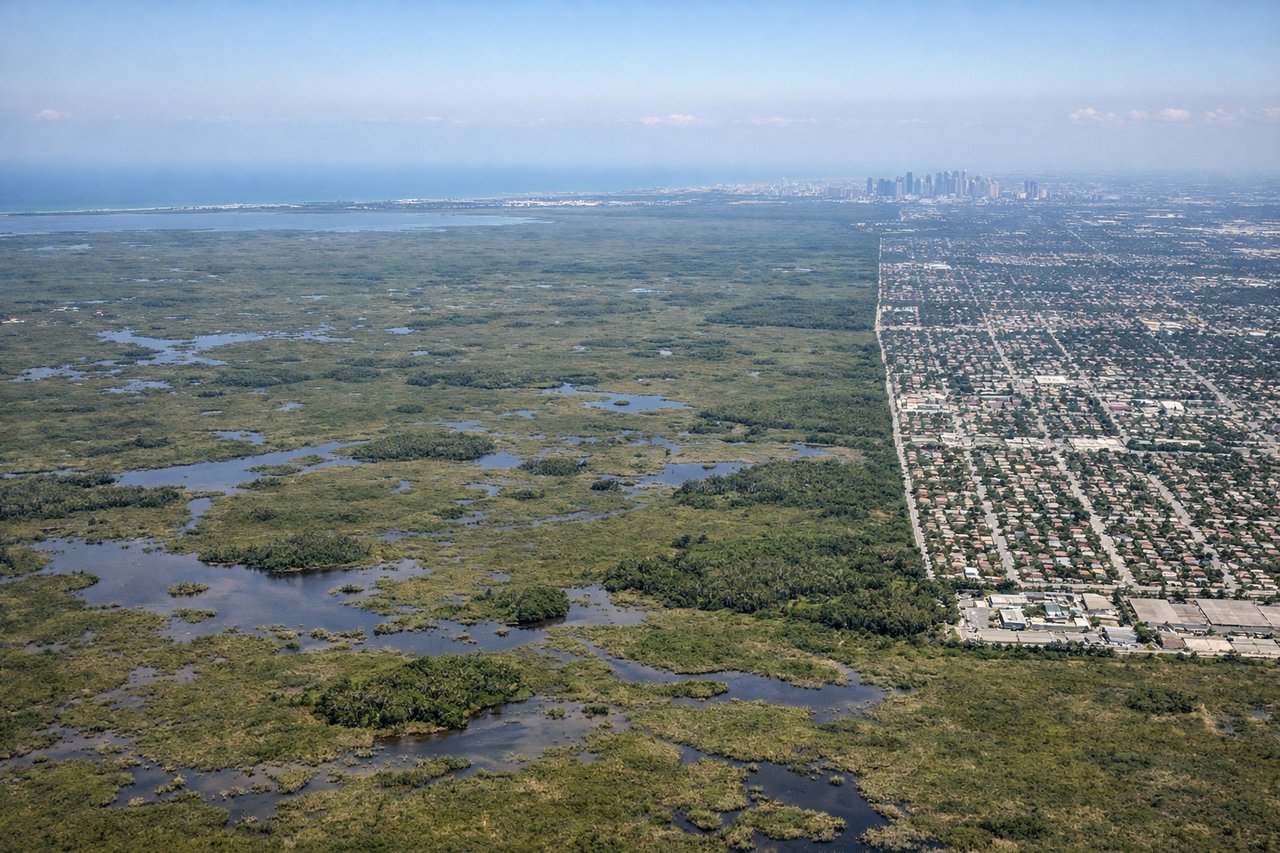
Landing at MIA
LEFTArrivals into MIA from the Atlantic typically loop south past Miami Beach before turning west for final approach, giving left-side passengers sweeping views of the turquoise Bahamas shallows, Miami Beach's barrier island, and the downtown Miami skyline along Biscayne Bay. The right side during this turn mostly faces open ocean or the flat Everglades.
Landmarks on this routeAll landmarks →
Will your flight be in sunlight?
See exactly which side of the plane gets sun and shade at your departure time.
About This Route
Which side of the plane should I sit on flying from İstanbul Airport (IST) to Miami International (MIA)?
Sit on the Left side of the plane for the best views on flights from Istanbul to Miami. The left side wins both the Istanbul departure, with the Bosphorus and historic skyline in view, and the Miami arrival, with the Bahamas shallows and Miami skyline visible during the approach turn, while the right side offers mostly open water and flat terrain on both ends.
What can I see during takeoff from İstanbul Airport in Istanbul?
During takeoff from İstanbul Airport (IST), sit on the Left side for the best views. Departing IST, aircraft typically climb out and turn west toward the Balkans, putting Istanbul's historic peninsula, the Bosphorus, and the Sea of Marmara on the left side of the plane. The right side mostly shows the flatter Black Sea coastline and suburban sprawl north of the airport. Notable sights include: Bosphorus Strait, Istanbul historic peninsula (Hagia Sophia/Topkapi area), Sea of Marmara, Princes' Islands.
What can I see when landing at Miami International in Miami?
When landing at Miami International (MIA), sit on the Left side for the best views. Arrivals into MIA from the Atlantic typically loop south past Miami Beach before turning west for final approach, giving left-side passengers sweeping views of the turquoise Bahamas shallows, Miami Beach's barrier island, and the downtown Miami skyline along Biscayne Bay. The right side during this turn mostly faces open ocean or the flat Everglades. Notable sights include: Bahamas Great Bahama Bank turquoise shallows, Miami Beach barrier island, Biscayne Bay, Downtown Miami skyline.
How long is the flight from Istanbul to Miami?
The flight from İstanbul Airport (IST) to Miami International (MIA) takes 11h 40m.
What does the Istanbul to Miami flight path pass over?
North Atlantic Ocean crossing, with the Balkan coastline and possibly the Azores visible depending on routing, followed by long stretches of open ocean before reaching the Bahamas.