The left side wins on both ends of the flight: it captures Istanbul's Bosphorus and historic skyline on departure, the Alps and Adriatic during the Balkan/Central European portion of cruise, and the Dallas skyline on final approach, giving it more varied and recognizable scenery than the right side's Black Sea coast, Greenland ice sheet, and Fort Worth suburbs.
Flight Path
Balkan mountain ranges, the Alps near the Austria-Italy border, North Atlantic Ocean, southern tip of Greenland, Labrador Sea coastline
Great circle distance and headings ›_in_Istanbul.jpg?width=600)
.jpg?width=600)
.jpg?width=600)


Phase by phase
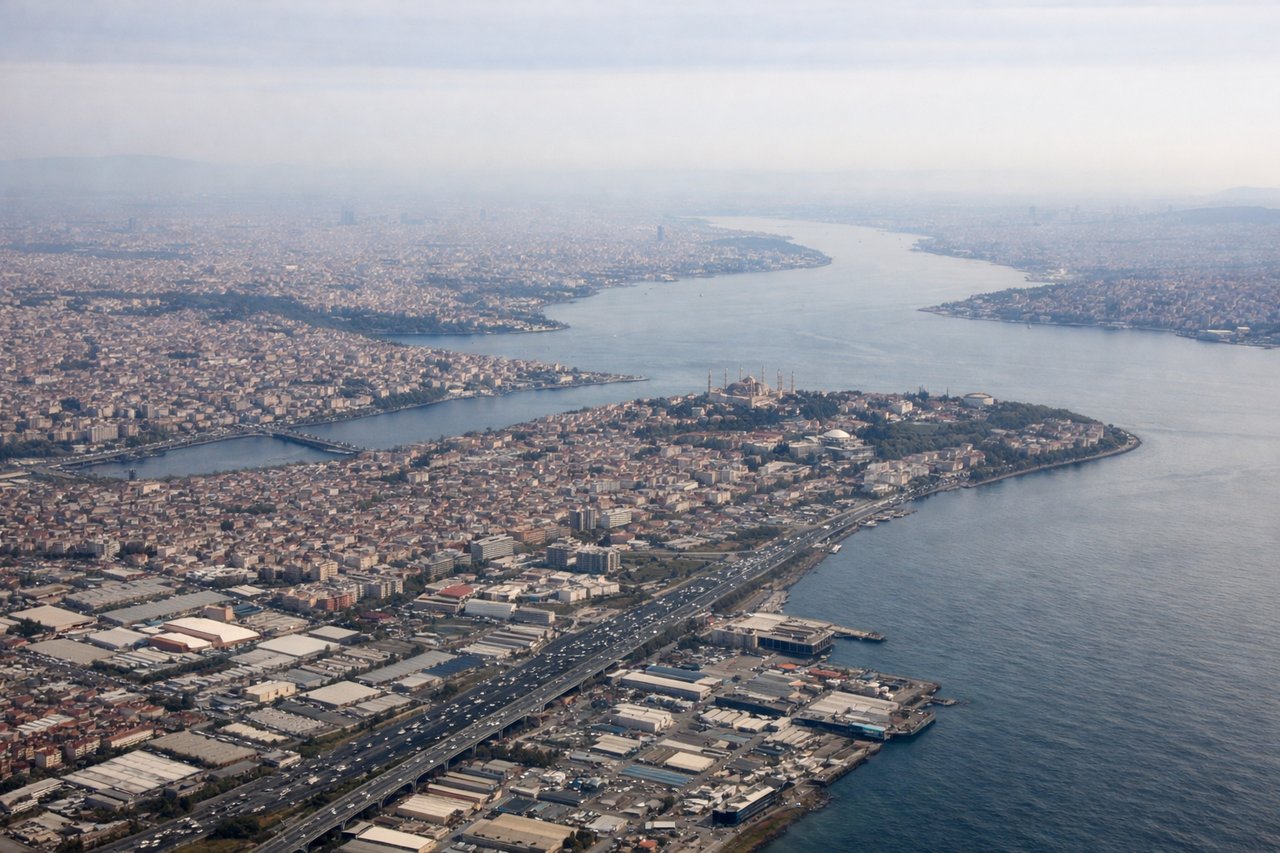
Takeoff from IST
LEFTDeparting IST on the northern runways, aircraft typically bank west/southwest after climb-out, putting Istanbul's historic peninsula, the Bosphorus, and the Sea of Marmara into view on the left side. The right side mostly just sees the Black Sea coastline receding, which is less distinctive.

Landing at DFW
LEFTOn approach to DFW from the north (common with southerly wind flow using the 35-series runways), the aircraft descends over the Dallas side of the metroplex before the airport, giving left-side passengers a clear view of the Dallas downtown skyline, while the right side mostly sees flatter suburban Fort Worth sprawl.
Landmarks on this routeAll landmarks →
Will your flight be in sunlight?
See exactly which side of the plane gets sun and shade at your departure time.
About This Route
Which side of the plane should I sit on flying from İstanbul Airport (IST) to Dallas Fort Worth International (DFW)?
Sit on the Left side of the plane for the best views on flights from Istanbul to Dallas-Fort Worth. The left side wins on both ends of the flight: it captures Istanbul's Bosphorus and historic skyline on departure, the Alps and Adriatic during the Balkan/Central European portion of cruise, and the Dallas skyline on final approach, giving it more varied and recognizable scenery than the right side's Black Sea coast, Greenland ice sheet, and Fort Worth suburbs.
What can I see during takeoff from İstanbul Airport in Istanbul?
During takeoff from İstanbul Airport (IST), sit on the Left side for the best views. Departing IST on the northern runways, aircraft typically bank west/southwest after climb-out, putting Istanbul's historic peninsula, the Bosphorus, and the Sea of Marmara into view on the left side. The right side mostly just sees the Black Sea coastline receding, which is less distinctive. Notable sights include: Bosphorus Strait, Istanbul historic peninsula (Hagia Sophia/Topkapi area), Sea of Marmara, Princes' Islands.
What can I see when landing at Dallas Fort Worth International in Dallas-Fort Worth?
When landing at Dallas Fort Worth International (DFW), sit on the Left side for the best views. On approach to DFW from the north (common with southerly wind flow using the 35-series runways), the aircraft descends over the Dallas side of the metroplex before the airport, giving left-side passengers a clear view of the Dallas downtown skyline, while the right side mostly sees flatter suburban Fort Worth sprawl. Notable sights include: Dallas downtown skyline, Trinity River, Lake Ray Hubbard, DFW terminal complex.
How long is the flight from Istanbul to Dallas-Fort Worth?
The flight from İstanbul Airport (IST) to Dallas Fort Worth International (DFW) takes 12h 35m.
What does the Istanbul to Dallas-Fort Worth flight path pass over?
Balkan mountain ranges, the Alps near the Austria-Italy border, North Atlantic Ocean, southern tip of Greenland, Labrador Sea coastline