Right-side seats capture the most dramatic scenery: the Shivalik Range foothills during climb-out from Chandigarh, and the Western Ghats escarpment during descent into Mumbai. The right side also offers better views of the Deccan Plateau's western edge.
Flight Path
The flight path crosses the Deccan Plateau, passing over central Maharashtra. Notable features include the Ajanta-Ellora region (with visible plateau terrain), the Godavari River valley in the middle section, and the transition from the elevated plateau to the coastal lowlands as the aircraft approaches Mumbai. The plateau appears as relatively flat, elevated terrain with occasional river valleys cutting through it.
Great circle distance and headings ›Phase by phase
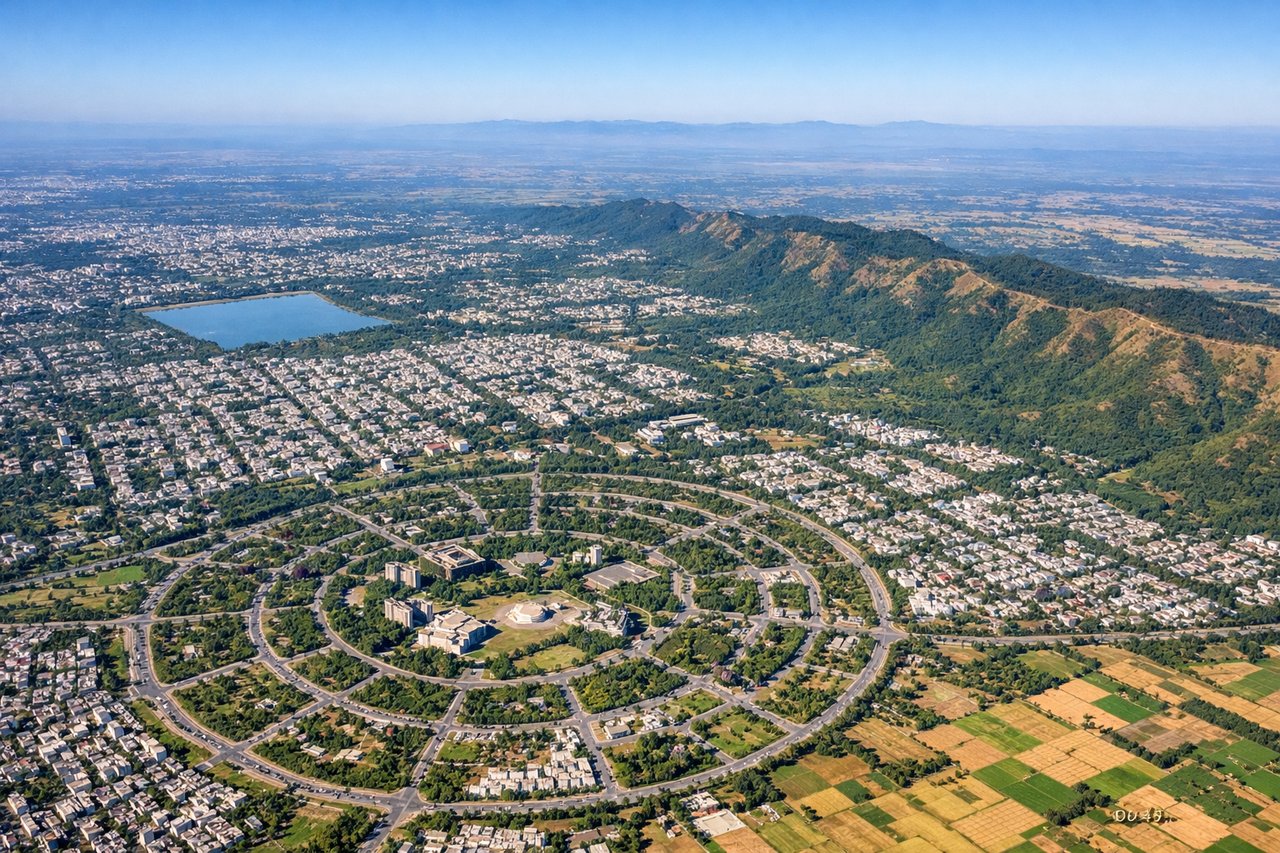
Takeoff from IXC
RIGHTRight-side seats offer views of the Shivalik Range foothills as the aircraft climbs southwestward from Chandigarh. The terrain transitions from the Punjab plains to the Himalayan foothills, creating distinct visual relief.
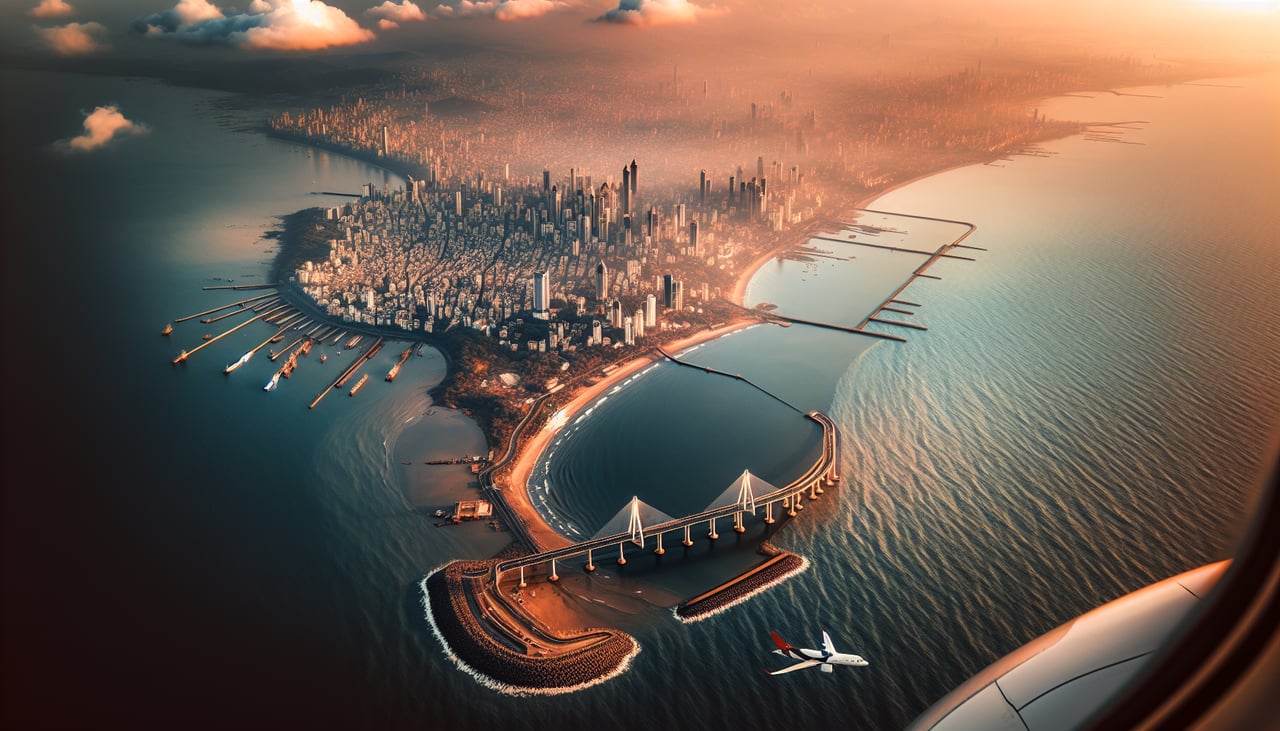
Landing at BOM
LEFTLeft-side seats provide views of the Western Ghats escarpment and the approach to Mumbai's coastal geography. As the aircraft descends toward BOM from the northeast, left-side passengers see the dramatic transition from the Deccan Plateau to the coastal lowlands and the Arabian Sea.
Landmarks on this routeAll landmarks →
Will your flight be in sunlight?
See exactly which side of the plane gets sun and shade at your departure time.
About This Route
Which side of the plane should I sit on flying from Chandigarh (IXC) to Chhatrapati Shivaji International (BOM)?
Sit on the Right side of the plane for the best views on flights from Chandigarh to Bombay. Right-side seats capture the most dramatic scenery: the Shivalik Range foothills during climb-out from Chandigarh, and the Western Ghats escarpment during descent into Mumbai. The right side also offers better views of the Deccan Plateau's western edge.
What can I see during takeoff from Chandigarh in Chandigarh?
During takeoff from Chandigarh (IXC), sit on the Right side for the best views. Right-side seats offer views of the Shivalik Range foothills as the aircraft climbs southwestward from Chandigarh. The terrain transitions from the Punjab plains to the Himalayan foothills, creating distinct visual relief. Notable sights include: Shivalik Range foothills, Sutlej River valley, Chandigarh city grid, Punjab plains extending westward.
What can I see when landing at Chhatrapati Shivaji International in Bombay?
When landing at Chhatrapati Shivaji International (BOM), sit on the Left side for the best views. Left-side seats provide views of the Western Ghats escarpment and the approach to Mumbai's coastal geography. As the aircraft descends toward BOM from the northeast, left-side passengers see the dramatic transition from the Deccan Plateau to the coastal lowlands and the Arabian Sea. Notable sights include: Western Ghats escarpment, Thane Creek, Mumbai's northern suburbs and harbor, Arabian Sea coastline.
How long is the flight from Chandigarh to Bombay?
The flight from Chandigarh (IXC) to Chhatrapati Shivaji International (BOM) takes Approximately 2 hours 15 minutes.
What does the Chandigarh to Bombay flight path pass over?
The flight path crosses the Deccan Plateau, passing over central Maharashtra. Notable features include the Ajanta-Ellora region (with visible plateau terrain), the Godavari River valley in the middle section, and the transition from the elevated plateau to the coastal lowlands as the aircraft approaches Mumbai. The plateau appears as relatively flat, elevated terrain with occasional river valleys cutting through it.