Jeddah to Washington is 6,581 miles (10,592 km), a flight of about 13 hours 30 minutes.
The takeoff from Jeddah on the right side offers more dramatic and distinctive scenery—the Red Sea and Hijaz Mountains are visually striking and unique. While the landing approach into Washington provides good views of the Appalachian region, the takeoff experience is more memorable for most passengers.
Flight Path
The flight path crosses the Mediterranean Sea (visible from altitude as a deep blue expanse), passes over southern Europe including Greece and the Balkans, then continues over the Atlantic Ocean. Notable midpoint landmarks include the Greek islands appearing as small dark shapes in the Mediterranean, the Italian peninsula's distinctive boot shape, and the Atlas Mountains of North Africa visible during the initial northwestward climb from Jeddah. The Atlantic crossing offers limited visual landmarks except for occasional cloud formations and the curvature of the Earth at cruise altitude.
Great circle distance and headings ›.jpg?width=600)


.jpg?width=600)
.jpeg?width=600)
Phase by phase

Takeoff from JED
RIGHTRight-side seats offer views of the Red Sea coastline and the Hijaz Mountains as the aircraft climbs northwestward from Jeddah. The Red Sea's deep blue water contrasts sharply with the arid Saudi terrain, and the mountain range provides dramatic relief against the desert.
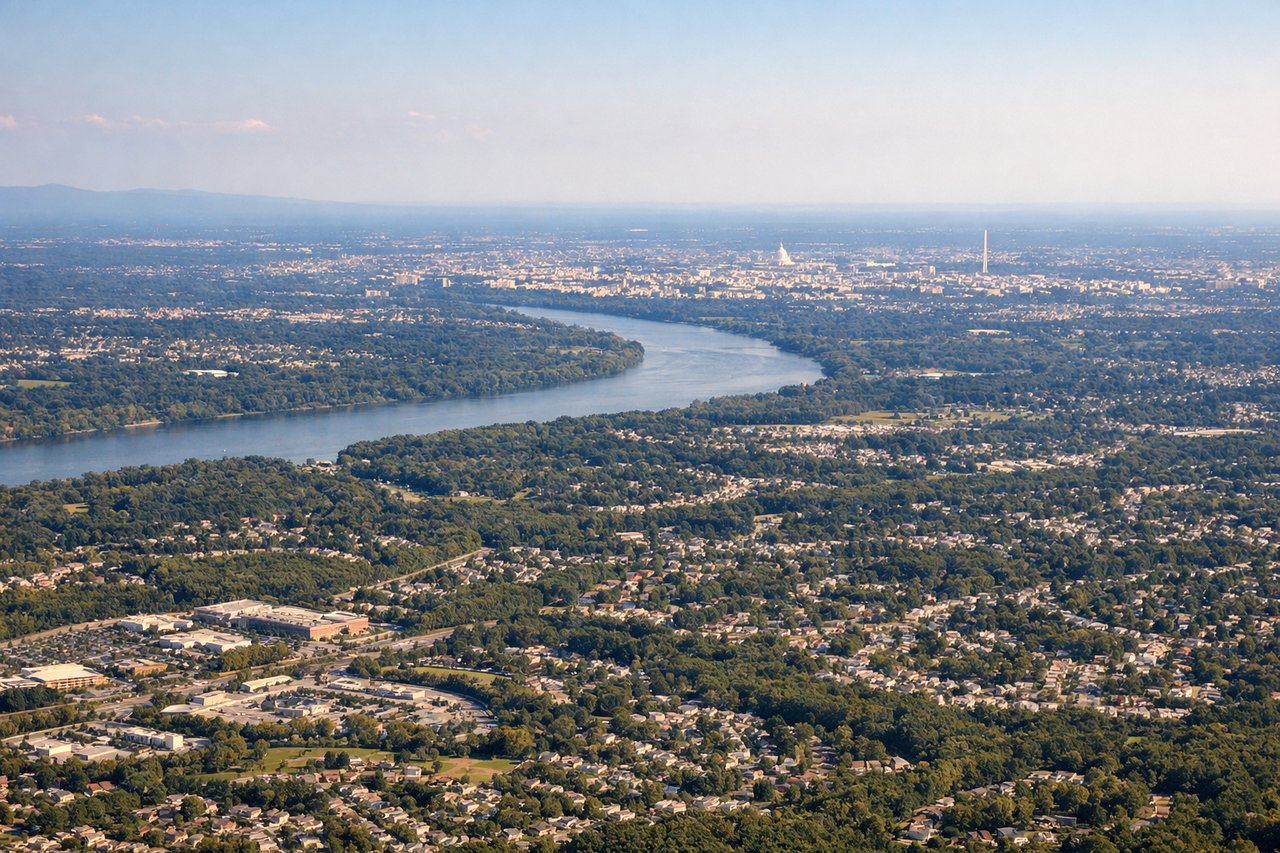
Landing at IAD
LEFTLeft-side seats provide views of the Appalachian Mountains and the Shenandoah Valley as the aircraft descends into Washington Dulles from the west. The Blue Ridge Mountains and Piedmont region offer distinctive topography and seasonal color variation visible from altitude.
Landmarks on this routeAll landmarks →
Will your flight be in sunlight?
Pick a date and time in the Sun Map to watch the sun move across your whole flight.
About This Route
Which side of the plane should I sit on flying from King Abdulaziz International (JED) to Washington Dulles International (IAD)?
Sit on the Right side of the plane for the best views on flights from Jeddah to Washington. The takeoff from Jeddah on the right side offers more dramatic and distinctive scenery—the Red Sea and Hijaz Mountains are visually striking and unique. While the landing approach into Washington provides good views of the Appalachian region, the takeoff experience is more memorable for most passengers.
What can I see during takeoff from King Abdulaziz International in Jeddah?
During takeoff from King Abdulaziz International (JED), sit on the Right side for the best views. Right-side seats offer views of the Red Sea coastline and the Hijaz Mountains as the aircraft climbs northwestward from Jeddah. The Red Sea's deep blue water contrasts sharply with the arid Saudi terrain, and the mountain range provides dramatic relief against the desert. Notable sights include: Red Sea coastline, Hijaz Mountains, Jeddah urban sprawl, coral reef formations along the coast.
What can I see when landing at Washington Dulles International in Washington?
When landing at Washington Dulles International (IAD), sit on the Left side for the best views. Left-side seats provide views of the Appalachian Mountains and the Shenandoah Valley as the aircraft descends into Washington Dulles from the west. The Blue Ridge Mountains and Piedmont region offer distinctive topography and seasonal color variation visible from altitude. Notable sights include: Blue Ridge Mountains, Shenandoah Valley, Piedmont plateau, Potomac River valley.
How long is the flight from Jeddah to Washington?
The flight from King Abdulaziz International (JED) to Washington Dulles International (IAD) takes about 13 hours 30 minutes. The shortest flight path between them is 6,581 miles (10,592 km); winds and air traffic control usually add a few percent.
What does the Jeddah to Washington flight path pass over?
The flight path crosses the Mediterranean Sea (visible from altitude as a deep blue expanse), passes over southern Europe including Greece and the Balkans, then continues over the Atlantic Ocean. Notable midpoint landmarks include the Greek islands appearing as small dark shapes in the Mediterranean, the Italian peninsula's distinctive boot shape, and the Atlas Mountains of North Africa visible during the initial northwestward climb from Jeddah. The Atlantic crossing offers limited visual landmarks except for occasional cloud formations and the curvature of the Earth at cruise altitude.