The right side scores higher due to consistent water and coastal scenery at both takeoff (Red Sea departure from Jeddah) and landing (Kuwait Bay approach). While this is a short, relatively flat route over desert, the right side's access to two distinct coastal zones provides more visual variety and landmark density than the left side's monotonous inland desert views throughout the flight.
Flown JED to KWI? Did we get it right?
Flight Path
Jeddah to Kuwait is 757 miles (1,218 km), a flight of about 2 hours 15 minutes.
The flight path crosses the Arabian Peninsula's interior plateau, passing over flat to gently rolling desert terrain with minimal elevation change. The landscape remains predominantly arid with sparse vegetation, occasional wadi systems (dry riverbeds), and scattered low hills. No major mountain ranges, significant cities, or water bodies are visible from cruise altitude along the direct route. The terrain gradually transitions from the Red Sea coastal region toward the Persian Gulf basin, with the landscape remaining uniformly flat and desert-dominated throughout the cruise phase.
Great circle distance and headings ›Phase by phase
Takeoff from JED
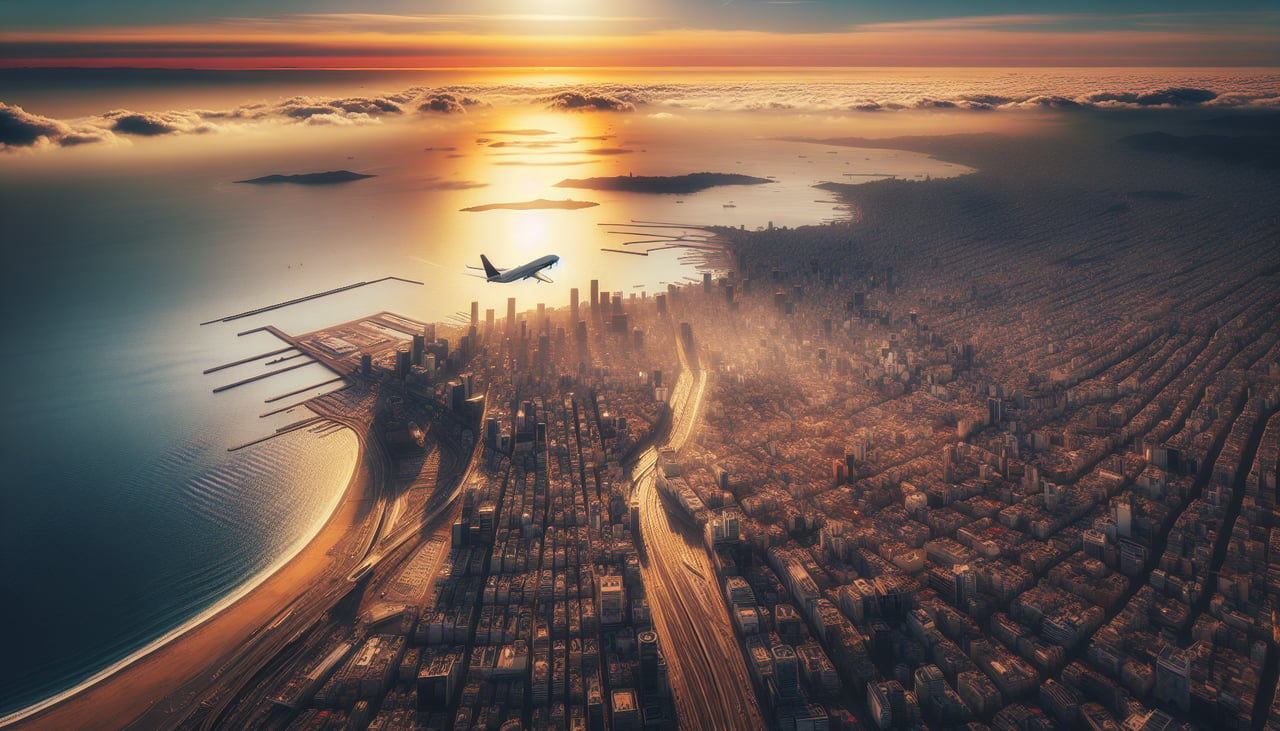
RIGHTRight side captures the Red Sea coastline and Jeddah's waterfront during initial climb. The left side faces inland toward flat desert terrain with minimal visual interest during departure.
Landing at KWI
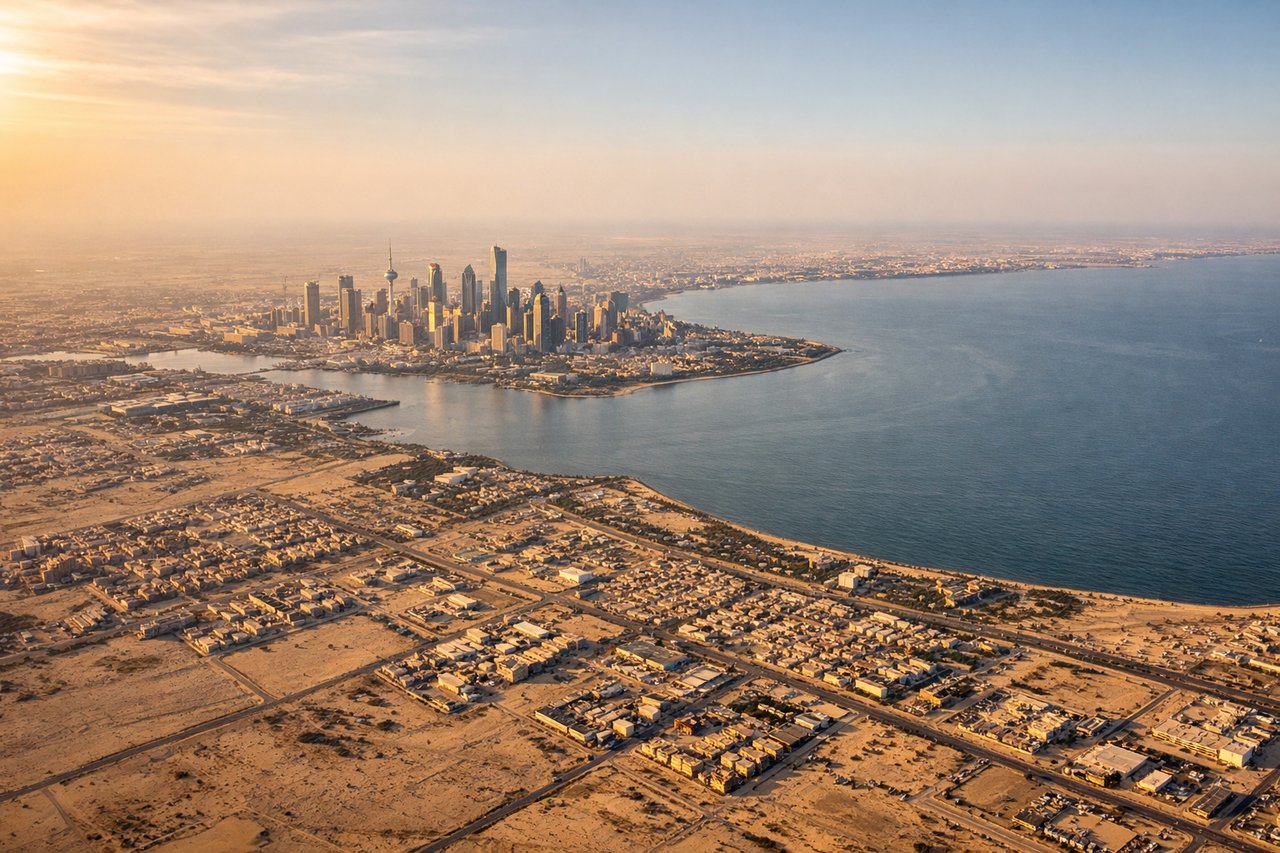
RIGHTRight side offers views of Kuwait Bay and the Persian Gulf coastline during approach and descent. The left side shows flat, monotonous desert with no significant landmarks or water features visible during the final approach phase.
Will your flight be in sunlight?
Pick a date and time in the Sun Map to watch the sun move across your whole flight.
About This Route
Which side of the plane should I sit on flying from King Abdulaziz International (JED) to Kuwait International Airport (KWI)?
Sit on the Right side of the plane for the best views on flights from Jeddah to Kuwait. The right side scores higher due to consistent water and coastal scenery at both takeoff (Red Sea departure from Jeddah) and landing (Kuwait Bay approach). While this is a short, relatively flat route over desert, the right side's access to two distinct coastal zones provides more visual variety and landmark density than the left side's monotonous inland desert views throughout the flight.
What can I see during takeoff from King Abdulaziz International in Jeddah?
During takeoff from King Abdulaziz International (JED), sit on the Right side for the best views. Right side captures the Red Sea coastline and Jeddah's waterfront during initial climb. The left side faces inland toward flat desert terrain with minimal visual interest during departure. Notable sights include: Red Sea coastline, Jeddah harbor and port facilities, Saudi Arabian coastal plains, initial desert terrain inland.
What can I see when landing at Kuwait International Airport in Kuwait?
When landing at Kuwait International Airport (KWI), sit on the Right side for the best views. Right side offers views of Kuwait Bay and the Persian Gulf coastline during approach and descent. The left side shows flat, monotonous desert with no significant landmarks or water features visible during the final approach phase. Notable sights include: Kuwait Bay, Persian Gulf coastline, Kuwait City skyline, flat desert plains.
How long is the flight from Jeddah to Kuwait?
The flight from King Abdulaziz International (JED) to Kuwait International Airport (KWI) takes about 2 hours 15 minutes. The shortest flight path between them is 757 miles (1,218 km); winds and air traffic control usually add a few percent.
What does the Jeddah to Kuwait flight path pass over?
The flight path crosses the Arabian Peninsula's interior plateau, passing over flat to gently rolling desert terrain with minimal elevation change. The landscape remains predominantly arid with sparse vegetation, occasional wadi systems (dry riverbeds), and scattered low hills. No major mountain ranges, significant cities, or water bodies are visible from cruise altitude along the direct route. The terrain gradually transitions from the Red Sea coastal region toward the Persian Gulf basin, with the landscape remaining uniformly flat and desert-dominated throughout the cruise phase.