The left side wins overall because it captures the dramatic Manhattan skyline on departure and later, during cruise, the chance to see the southern tip of Greenland's ice sheet if visibility allows, giving it more varied and striking scenery across the full flight compared to the right side's largely open-ocean view.
Flight Path
Southern Greenland's coastal ice sheet and fjords, followed by open North Atlantic waters approaching the Norwegian coast
Great circle distance and headings ›.jpg?width=600)


Phase by phase
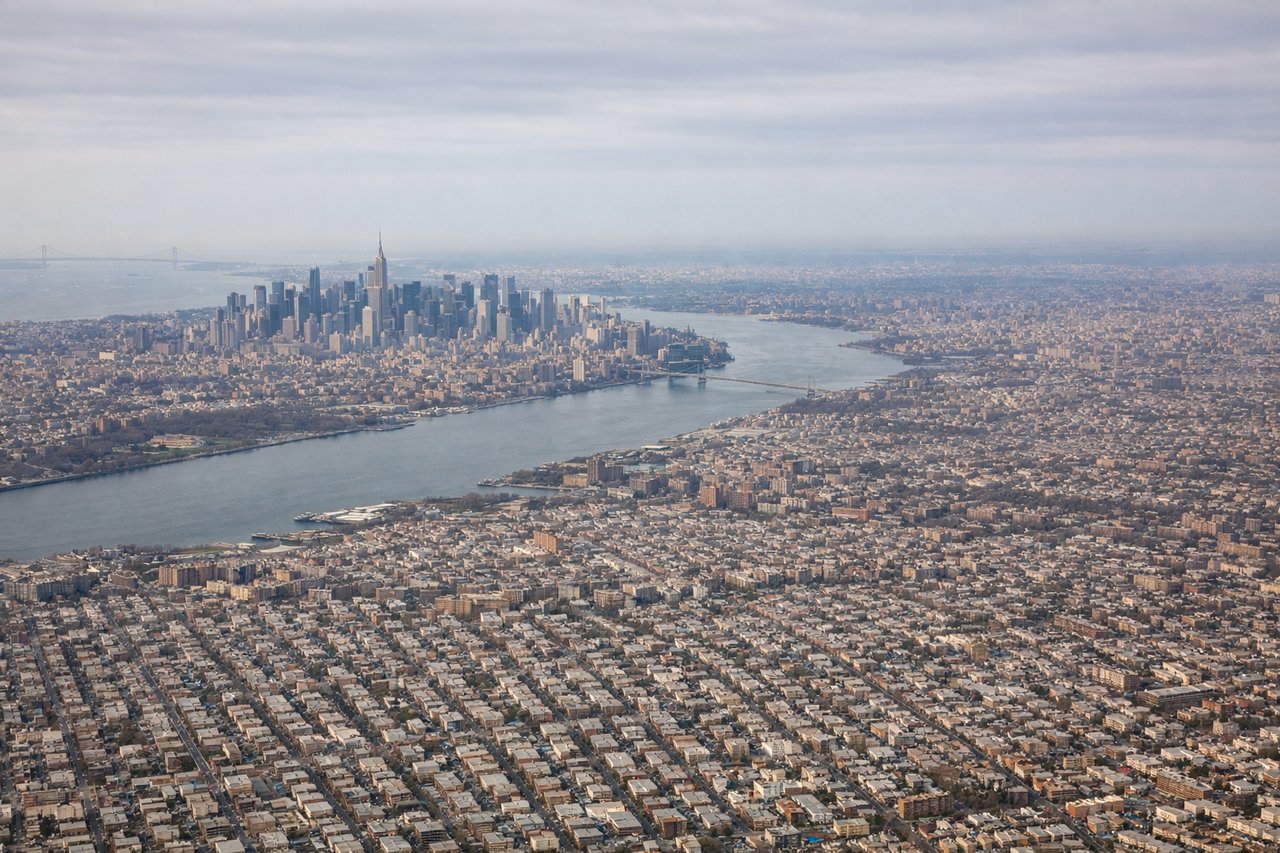
Takeoff from JFK
LEFTDeparting JFK on a northeast heading toward Norway, the left side faces northwest over Long Island Sound and New England, giving a good look at the Manhattan skyline and Long Island shoreline during the initial climb before the aircraft turns out over open water.
Landing at BGO
RIGHTOn approach into Bergen, the aircraft descends over the rugged Norwegian coastline, and the right side offers views of fjord inlets, scattered rocky islands, and the North Sea before the final turn onto Flesland's runway.
Landmarks on this routeAll landmarks →
Will your flight be in sunlight?
See exactly which side of the plane gets sun and shade at your departure time.
About This Route
Which side of the plane should I sit on flying from John F Kennedy International (JFK) to Bergen Flesland (BGO)?
Sit on the Left side of the plane for the best views on flights from New York to Bergen. The left side wins overall because it captures the dramatic Manhattan skyline on departure and later, during cruise, the chance to see the southern tip of Greenland's ice sheet if visibility allows, giving it more varied and striking scenery across the full flight compared to the right side's largely open-ocean view.
What can I see during takeoff from John F Kennedy International in New York?
During takeoff from John F Kennedy International (JFK), sit on the Left side for the best views. Departing JFK on a northeast heading toward Norway, the left side faces northwest over Long Island Sound and New England, giving a good look at the Manhattan skyline and Long Island shoreline during the initial climb before the aircraft turns out over open water. Notable sights include: Manhattan skyline, Long Island Sound, Connecticut shoreline, Throgs Neck/Whitestone bridges.
What can I see when landing at Bergen Flesland in Bergen?
When landing at Bergen Flesland (BGO), sit on the Right side for the best views. On approach into Bergen, the aircraft descends over the rugged Norwegian coastline, and the right side offers views of fjord inlets, scattered rocky islands, and the North Sea before the final turn onto Flesland's runway. Notable sights include: Byfjorden, coastal islands (Askøy, Sotra), North Sea inlets, Bergen's surrounding mountains.
How long is the flight from New York to Bergen?
The flight from John F Kennedy International (JFK) to Bergen Flesland (BGO) takes 7h 10m.
What does the New York to Bergen flight path pass over?
Southern Greenland's coastal ice sheet and fjords, followed by open North Atlantic waters approaching the Norwegian coast