While takeoff favors left for the New York City views, the landing approach on right seats offers superior views of the Tennessee River and Lookout Mountain—the most distinctive geographic features of the destination. Right seats capture the most visually striking portion of the flight.
Flown JFK to CHA? Did we get it right?
Flight Path
New York to Chattanooga is 733 miles (1,180 km), a flight of about 2 hours 15 minutes.
The flight path crosses the Appalachian Mountains, including the Blue Ridge Mountains in Virginia and North Carolina, and the Great Smoky Mountains on the Tennessee-North Carolina border. The Shenandoah Valley in Virginia and various river valleys (Roanoke, New River) are visible during cruise. The terrain transitions from the Atlantic Coastal Plain through the Piedmont into increasingly rugged mountain terrain as the aircraft approaches Tennessee.
Great circle distance and headings ›

Phase by phase
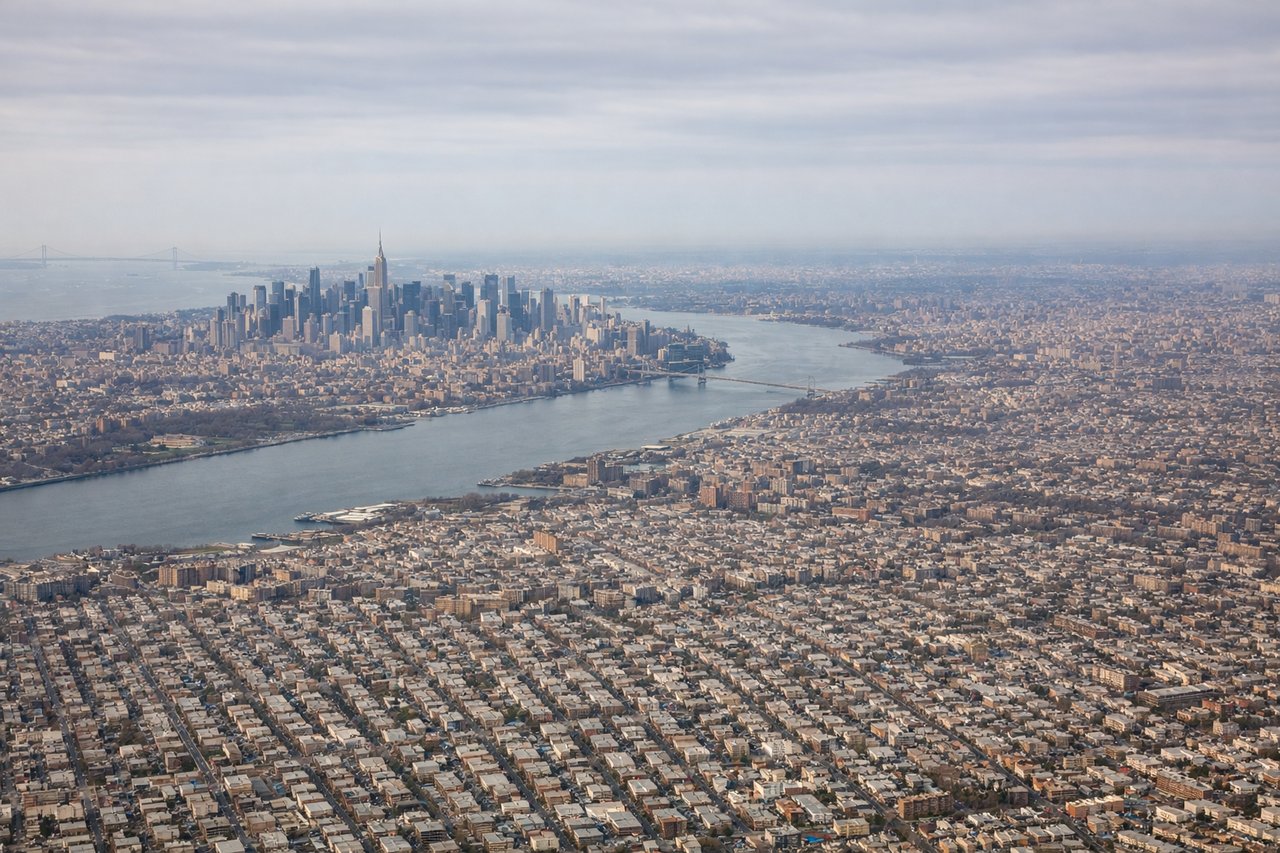
Takeoff from JFK
LEFTLeft seats offer views of the Hudson River, Manhattan skyline, and the East River as the aircraft climbs southwest out of JFK. Right seats face away from the city toward Queens and Long Island.
Landing at CHA
RIGHTRight seats provide clear views of the Tennessee River as it winds through Chattanooga and the surrounding ridge-and-valley terrain of the Cumberland Plateau. The approach from the northeast brings these features directly into view on the right side.
Will your flight be in sunlight?
Pick a date and time in the Sun Map to watch the sun move across your whole flight.
About This Route
Which side of the plane should I sit on flying from John F Kennedy International (JFK) to Lovell Fld (CHA)?
Sit on the Right side of the plane for the best views on flights from New York to Chattanooga. While takeoff favors left for the New York City views, the landing approach on right seats offers superior views of the Tennessee River and Lookout Mountain—the most distinctive geographic features of the destination. Right seats capture the most visually striking portion of the flight.
What can I see during takeoff from John F Kennedy International in New York?
During takeoff from John F Kennedy International (JFK), sit on the Left side for the best views. Left seats offer views of the Hudson River, Manhattan skyline, and the East River as the aircraft climbs southwest out of JFK. Right seats face away from the city toward Queens and Long Island. Notable sights include: Hudson River, Manhattan skyline, East River, Upper New York Bay.
What can I see when landing at Lovell Fld in Chattanooga?
When landing at Lovell Fld (CHA), sit on the Right side for the best views. Right seats provide clear views of the Tennessee River as it winds through Chattanooga and the surrounding ridge-and-valley terrain of the Cumberland Plateau. The approach from the northeast brings these features directly into view on the right side. Notable sights include: Tennessee River, Lookout Mountain, Cumberland Plateau ridges, Chattanooga downtown.
How long is the flight from New York to Chattanooga?
The flight from John F Kennedy International (JFK) to Lovell Fld (CHA) takes about 2 hours 15 minutes. The shortest flight path between them is 733 miles (1,180 km); winds and air traffic control usually add a few percent.
What does the New York to Chattanooga flight path pass over?
The flight path crosses the Appalachian Mountains, including the Blue Ridge Mountains in Virginia and North Carolina, and the Great Smoky Mountains on the Tennessee-North Carolina border. The Shenandoah Valley in Virginia and various river valleys (Roanoke, New River) are visible during cruise. The terrain transitions from the Atlantic Coastal Plain through the Piedmont into increasingly rugged mountain terrain as the aircraft approaches Tennessee.