Right side scores higher due to the dramatic Southern Alps approach and the visual variety of the Canterbury Plains and braided rivers during landing. While left side offers a strong NYC departure, the 17+ hours of transpacific ocean crossing on the left side (5+ hours of open water) caps its score at 2.5. Right side benefits from the spectacular alpine scenery and river systems visible during the final descent into Christchurch, pushing it to 3.5.
Flight Path
The flight path crosses the continental United States (Appalachian Mountains visible early, then Great Plains and Rocky Mountains), then traverses the Pacific Ocean for approximately 10 hours with no significant landmarks. Near the midpoint, the flight passes south of Hawaii (not directly visible on typical routing). As the aircraft approaches New Zealand, the Southern Ocean comes into view, followed by the South Island's west coast, Fiordland's dramatic fjords and peaks, and finally the Canterbury Plains and Southern Alps before landing at Christchurch.
Great circle distance and headings ›.jpg?width=600)
.jpeg?width=600)

Phase by phase
Takeoff from JFK
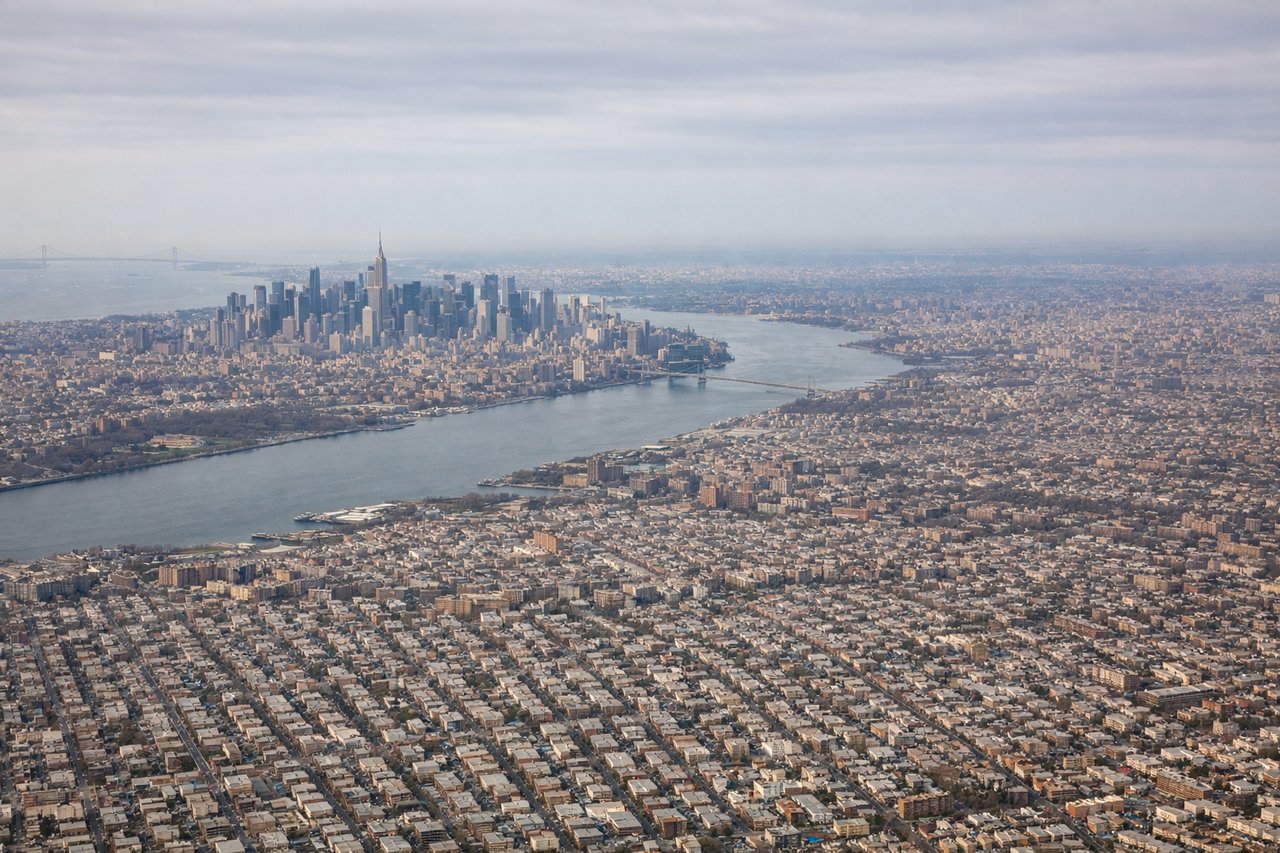
LEFTLeft side captures the NYC metropolitan area during departure, including Manhattan's skyline, the East River, and the Atlantic coastline. Right side faces inland toward New Jersey and Pennsylvania with minimal urban or scenic features during climb-out.
Landing at CHC
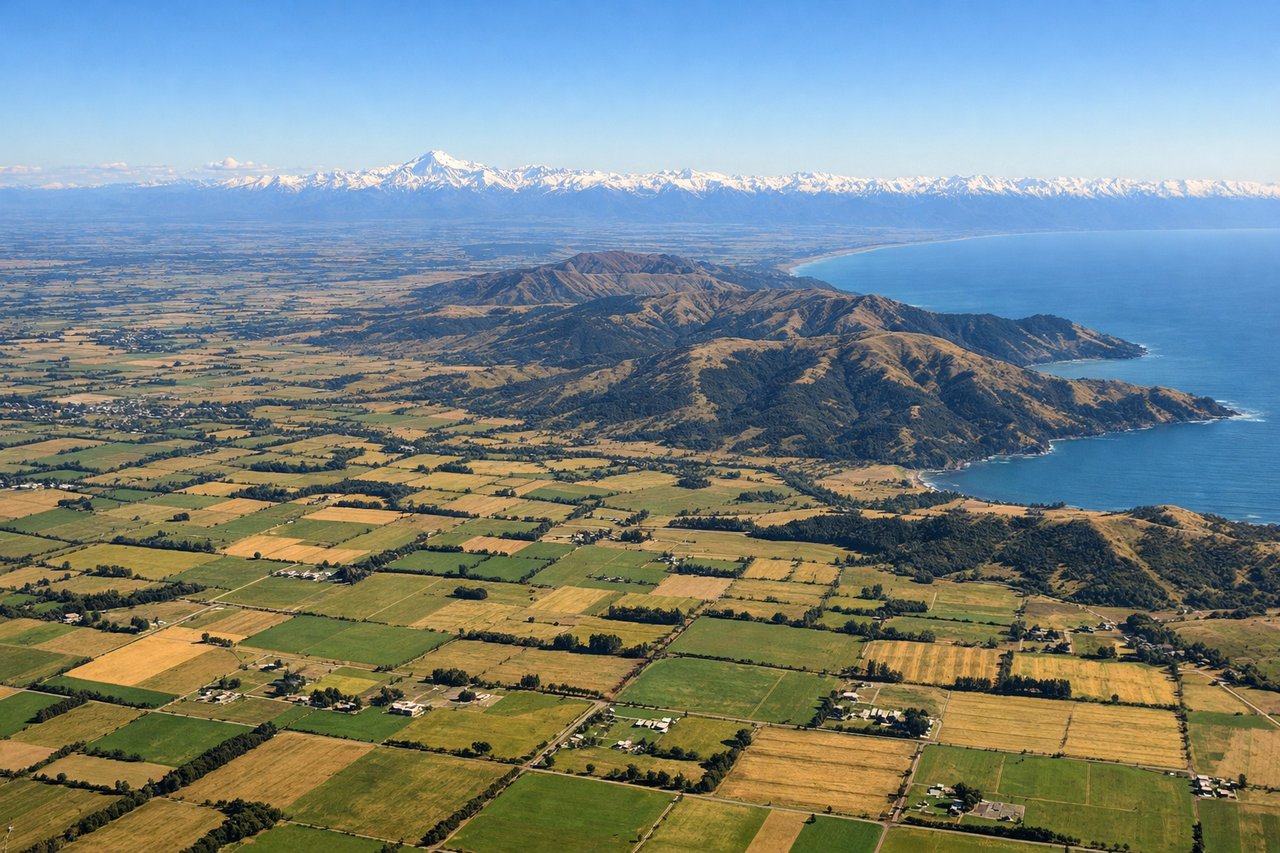
RIGHTRight side offers the dramatic approach to Christchurch over the Canterbury Plains and the Southern Alps. The Southern Alps dominate the western horizon with snow-capped peaks, and the approach path crosses the braided rivers of the Canterbury region. Left side faces the Pacific Ocean and lacks significant scenic features during descent.
Landmarks on this routeAll landmarks →
Will your flight be in sunlight?
See exactly which side of the plane gets sun and shade at your departure time.
About This Route
Which side of the plane should I sit on flying from John F Kennedy International (JFK) to Christchurch International (CHC)?
Sit on the Right side of the plane for the best views on flights from New York to Christchurch. Right side scores higher due to the dramatic Southern Alps approach and the visual variety of the Canterbury Plains and braided rivers during landing. While left side offers a strong NYC departure, the 17+ hours of transpacific ocean crossing on the left side (5+ hours of open water) caps its score at 2.5. Right side benefits from the spectacular alpine scenery and river systems visible during the final descent into Christchurch, pushing it to 3.5.
What can I see during takeoff from John F Kennedy International in New York?
During takeoff from John F Kennedy International (JFK), sit on the Left side for the best views. Left side captures the NYC metropolitan area during departure, including Manhattan's skyline, the East River, and the Atlantic coastline. Right side faces inland toward New Jersey and Pennsylvania with minimal urban or scenic features during climb-out. Notable sights include: Manhattan skyline and Hudson River, Long Island Sound, Atlantic Ocean horizon.
What can I see when landing at Christchurch International in Christchurch?
When landing at Christchurch International (CHC), sit on the Right side for the best views. Right side offers the dramatic approach to Christchurch over the Canterbury Plains and the Southern Alps. The Southern Alps dominate the western horizon with snow-capped peaks, and the approach path crosses the braided rivers of the Canterbury region. Left side faces the Pacific Ocean and lacks significant scenic features during descent. Notable sights include: Southern Alps with Mount Cook visible on the horizon, braided Canterbury Rivers, Banks Peninsula, Christchurch city and Lyttelton Harbour.
How long is the flight from New York to Christchurch?
The flight from John F Kennedy International (JFK) to Christchurch International (CHC) takes 17h 25m.
What does the New York to Christchurch flight path pass over?
The flight path crosses the continental United States (Appalachian Mountains visible early, then Great Plains and Rocky Mountains), then traverses the Pacific Ocean for approximately 10 hours with no significant landmarks. Near the midpoint, the flight passes south of Hawaii (not directly visible on typical routing). As the aircraft approaches New Zealand, the Southern Ocean comes into view, followed by the South Island's west coast, Fiordland's dramatic fjords and peaks, and finally the Canterbury Plains and Southern Alps before landing at Christchurch.