The left side offers the only real visual highlights of the flight — the Manhattan skyline during departure and the Italian countryside and Tiber valley during arrival — while the right side is dominated by featureless coastal plain and open ocean for most of the journey.
Flight Path
Mid-Atlantic open ocean, southern tip of Newfoundland, and the southwestern coast of Ireland are the main geographic references along the great-circle route, though most of the crossing is over featureless open water.
Great circle distance and headings ›.jpg?width=600)


Phase by phase
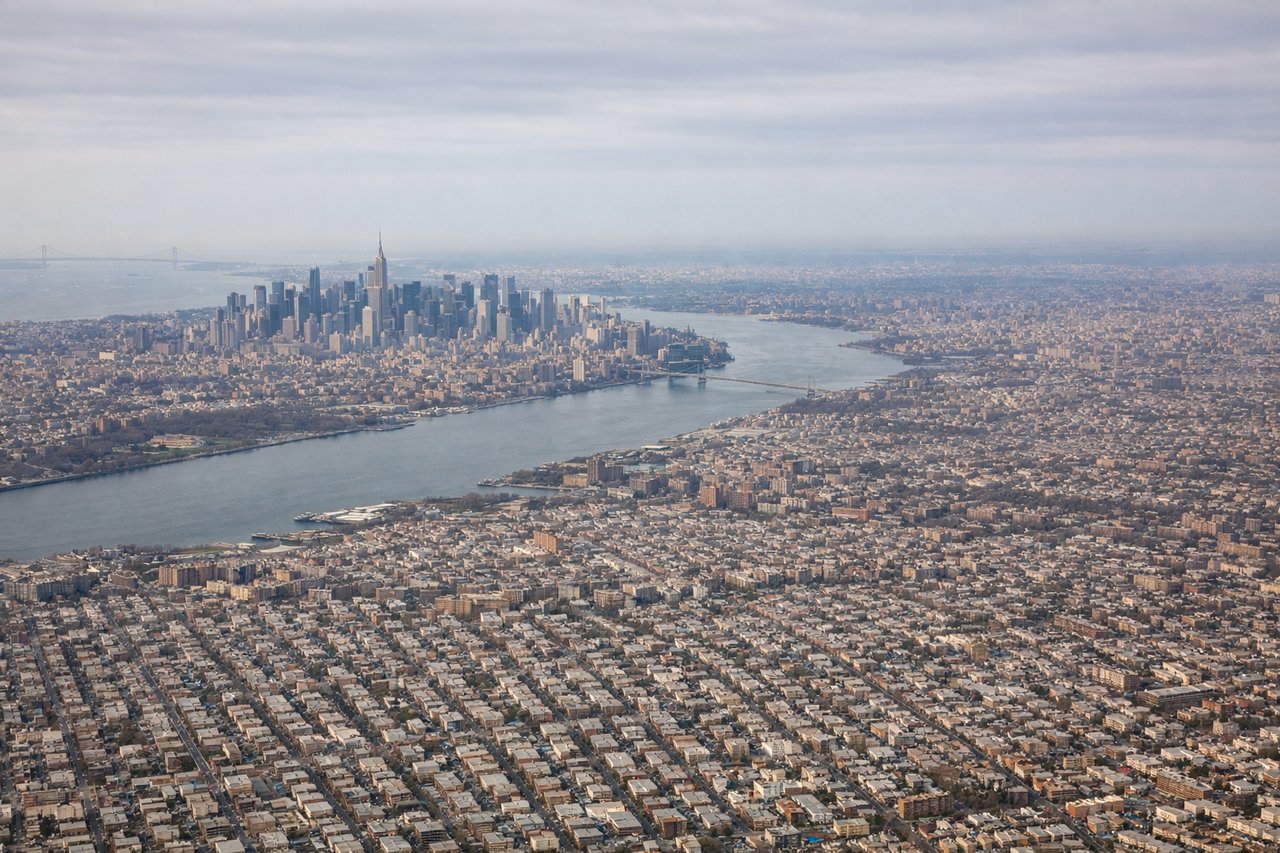
Takeoff from JFK
LEFTDeparting JFK toward the northeast, the initial climb typically banks over Long Island Sound, putting the Manhattan skyline and the East River clearly visible on the left side of the aircraft. The right side mostly shows the flatter South Shore of Long Island and open water with little variation.
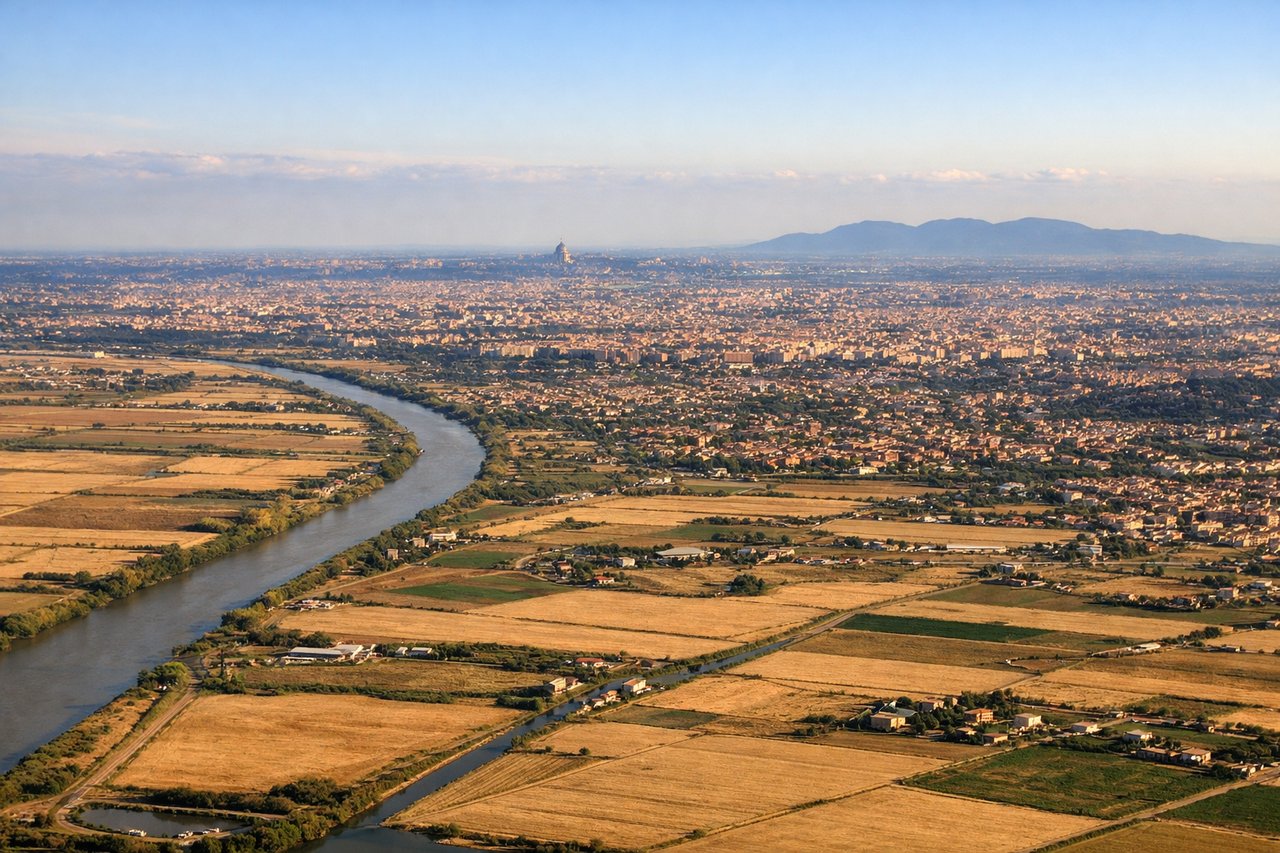
Landing at FCO
LEFTArrivals into FCO from the north often descend over the Lazio countryside and the Apennine foothills before turning onto final approach, giving left-side passengers a view of rolling hills and, closer in, glimpses of Rome's outskirts and the Tiber valley. The right side during this turn typically faces open farmland with less visual interest.
Landmarks on this routeAll landmarks →
Will your flight be in sunlight?
See exactly which side of the plane gets sun and shade at your departure time.
About This Route
Which side of the plane should I sit on flying from John F Kennedy International (JFK) to Fiumicino (FCO)?
Sit on the Left side of the plane for the best views on flights from New York to Rome. The left side offers the only real visual highlights of the flight — the Manhattan skyline during departure and the Italian countryside and Tiber valley during arrival — while the right side is dominated by featureless coastal plain and open ocean for most of the journey.
What can I see during takeoff from John F Kennedy International in New York?
During takeoff from John F Kennedy International (JFK), sit on the Left side for the best views. Departing JFK toward the northeast, the initial climb typically banks over Long Island Sound, putting the Manhattan skyline and the East River clearly visible on the left side of the aircraft. The right side mostly shows the flatter South Shore of Long Island and open water with little variation. Notable sights include: Manhattan skyline, Long Island Sound, East River, Throgs Neck/Whitestone Bridges.
What can I see when landing at Fiumicino in Rome?
When landing at Fiumicino (FCO), sit on the Left side for the best views. Arrivals into FCO from the north often descend over the Lazio countryside and the Apennine foothills before turning onto final approach, giving left-side passengers a view of rolling hills and, closer in, glimpses of Rome's outskirts and the Tiber valley. The right side during this turn typically faces open farmland with less visual interest. Notable sights include: Apennine foothills, Tiber River valley, Lazio countryside, outskirts of Rome.
How long is the flight from New York to Rome?
The flight from John F Kennedy International (JFK) to Fiumicino (FCO) takes 8h 15m.
What does the New York to Rome flight path pass over?
Mid-Atlantic open ocean, southern tip of Newfoundland, and the southwestern coast of Ireland are the main geographic references along the great-circle route, though most of the crossing is over featureless open water.