The left side delivers the iconic New York departure view — Manhattan, the harbor, and the Hudson — which is one of the most spectacular urban departures in the world. The landing views at Huahine are excellent from the right, but the JFK departure spectacle tips the balance to the left for the overall flight experience.
Flight Path
The route tracks southwest across the continental US over the Mojave Desert and Baja California, then crosses the vast open Pacific Ocean. Roughly midway, the flight passes over the central Pacific with no land visible for thousands of miles. Approaching French Polynesia, the Tuamotu Archipelago's low coral atolls — flat rings of reef and lagoon — become visible below before the higher volcanic Society Islands including Tahiti and Moorea appear on the horizon.
Great circle distance and headings ›.jpg?width=600)
.jpeg?width=600)


Phase by phase
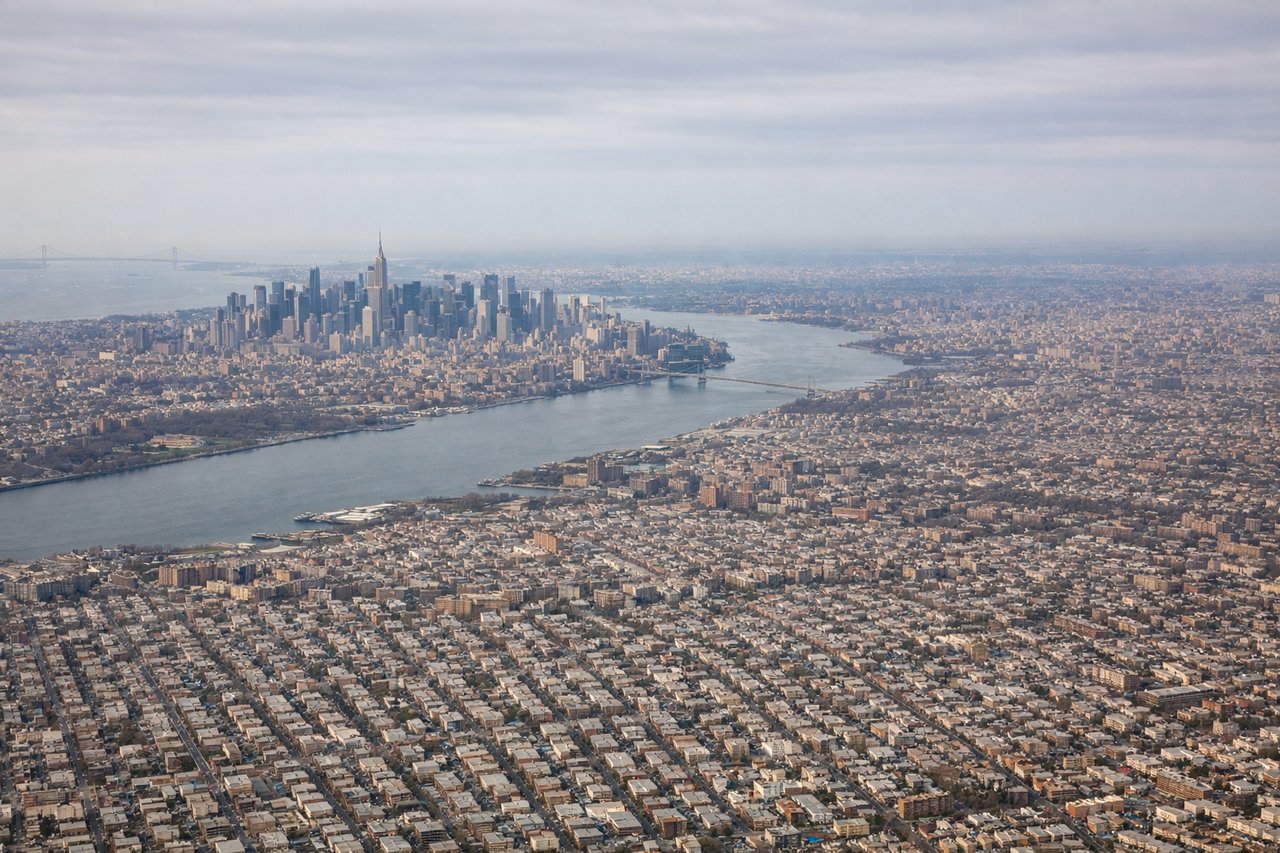
Takeoff from JFK
LEFTJFK departures on runway 31L/31R head northwest, putting Manhattan and the full New York Harbor on the left side. You get a clear view of Lower Manhattan, the Verrazano-Narrows Bridge, and the Hudson River as the aircraft climbs out over Jamaica Bay and turns west.
Landing at HUH
RIGHTHuahine's runway 04/22 means arrivals typically come in from the south heading northeast, or from the north heading southwest. On approach from the north heading southwest, the right side faces the lagoon and the dramatic volcanic interior of Huahine Nui. The turquoise lagoon, coral reef fringe, and the island's twin-peaked ridgeline are best seen from the right.
Landmarks on this routeAll landmarks →
Will your flight be in sunlight?
See exactly which side of the plane gets sun and shade at your departure time.
About This Route
Which side of the plane should I sit on flying from John F Kennedy International (JFK) to Huahine (HUH)?
Sit on the Left side of the plane for the best views on flights from New York to Huahine Island. The left side delivers the iconic New York departure view — Manhattan, the harbor, and the Hudson — which is one of the most spectacular urban departures in the world. The landing views at Huahine are excellent from the right, but the JFK departure spectacle tips the balance to the left for the overall flight experience.
What can I see during takeoff from John F Kennedy International in New York?
During takeoff from John F Kennedy International (JFK), sit on the Left side for the best views. JFK departures on runway 31L/31R head northwest, putting Manhattan and the full New York Harbor on the left side. You get a clear view of Lower Manhattan, the Verrazano-Narrows Bridge, and the Hudson River as the aircraft climbs out over Jamaica Bay and turns west. Notable sights include: Manhattan skyline, Verrazano-Narrows Bridge, Jamaica Bay, Hudson River.
What can I see when landing at Huahine in Huahine Island?
When landing at Huahine (HUH), sit on the Right side for the best views. Huahine's runway 04/22 means arrivals typically come in from the south heading northeast, or from the north heading southwest. On approach from the north heading southwest, the right side faces the lagoon and the dramatic volcanic interior of Huahine Nui. The turquoise lagoon, coral reef fringe, and the island's twin-peaked ridgeline are best seen from the right. Notable sights include: Huahine Nui volcanic ridgeline, Huahine lagoon, fringing coral reef, Fare village.
How long is the flight from New York to Huahine Island?
The flight from John F Kennedy International (JFK) to Huahine (HUH) takes Approximately 11 to 12 hours nonstop, though most routings connect through Los Angeles or Papeete adding 4-6 hours total travel time.
What does the New York to Huahine Island flight path pass over?
The route tracks southwest across the continental US over the Mojave Desert and Baja California, then crosses the vast open Pacific Ocean. Roughly midway, the flight passes over the central Pacific with no land visible for thousands of miles. Approaching French Polynesia, the Tuamotu Archipelago's low coral atolls — flat rings of reef and lagoon — become visible below before the higher volcanic Society Islands including Tahiti and Moorea appear on the horizon.