While the takeoff offers good views of the New York area, the landing approach provides more dramatic and visually distinctive scenery with the Red Sea, Hijaz Mountains, and Jeddah's coastal setting. The right side captures the most impressive natural and geographic features of the entire journey.
Flight Path
The flight path crosses the Atlantic Ocean (relatively featureless at cruise altitude), then passes over southern Europe or the Mediterranean depending on routing, the Sahara Desert (vast tan expanse with subtle dune patterns visible at altitude), the Nile River valley (narrow green corridor through desert), and the Arabian Peninsula's interior plateau before descending toward the Red Sea coast.
Great circle distance and headings ›.jpg?width=600)


.jpg?width=600)
Phase by phase
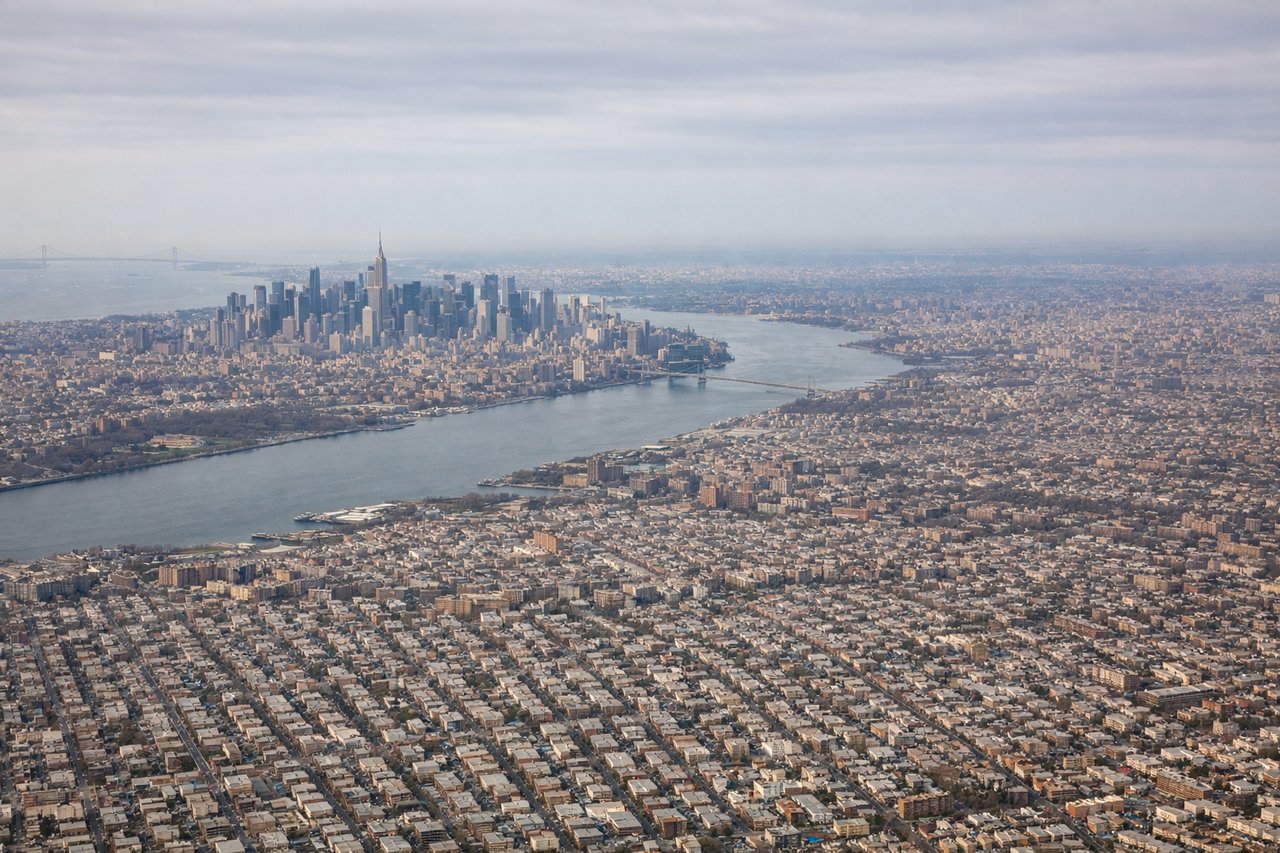
Takeoff from JFK
LEFTLeft seats offer views of Long Island Sound and the Atlantic coastline as the aircraft climbs northeast over Queens and Nassau County. You'll see the contrast between urban sprawl and water clearly during the initial climb.
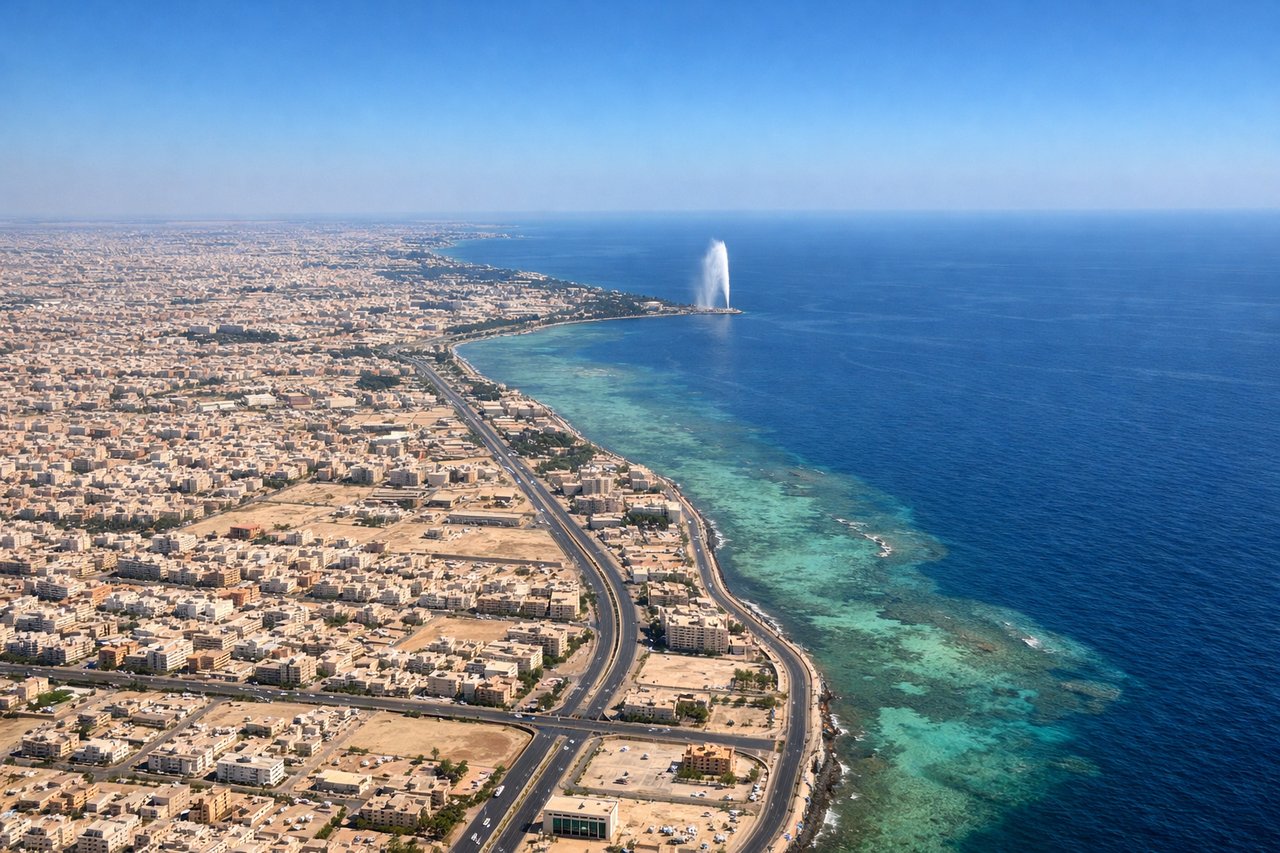
Landing at JED
RIGHTRight seats provide excellent views of the Red Sea coast and the Hijaz Mountains as you descend toward Jeddah. The dramatic escarpment and coastal geography are striking during final approach from the northwest.
Landmarks on this routeAll landmarks →
Will your flight be in sunlight?
See exactly which side of the plane gets sun and shade at your departure time.
About This Route
Which side of the plane should I sit on flying from John F Kennedy International (JFK) to King Abdulaziz International (JED)?
Sit on the Right side of the plane for the best views on flights from New York to Jeddah. While the takeoff offers good views of the New York area, the landing approach provides more dramatic and visually distinctive scenery with the Red Sea, Hijaz Mountains, and Jeddah's coastal setting. The right side captures the most impressive natural and geographic features of the entire journey.
What can I see during takeoff from John F Kennedy International in New York?
During takeoff from John F Kennedy International (JFK), sit on the Left side for the best views. Left seats offer views of Long Island Sound and the Atlantic coastline as the aircraft climbs northeast over Queens and Nassau County. You'll see the contrast between urban sprawl and water clearly during the initial climb. Notable sights include: Long Island Sound, Atlantic Ocean coastline, Queens urban grid, Nassau County residential areas.
What can I see when landing at King Abdulaziz International in Jeddah?
When landing at King Abdulaziz International (JED), sit on the Right side for the best views. Right seats provide excellent views of the Red Sea coast and the Hijaz Mountains as you descend toward Jeddah. The dramatic escarpment and coastal geography are striking during final approach from the northwest. Notable sights include: Red Sea coastline, Hijaz Mountains, Jeddah harbor and urban waterfront, Saudi Arabian desert plateau.
How long is the flight from New York to Jeddah?
The flight from John F Kennedy International (JFK) to King Abdulaziz International (JED) takes Approximately 13-14 hours.
What does the New York to Jeddah flight path pass over?
The flight path crosses the Atlantic Ocean (relatively featureless at cruise altitude), then passes over southern Europe or the Mediterranean depending on routing, the Sahara Desert (vast tan expanse with subtle dune patterns visible at altitude), the Nile River valley (narrow green corridor through desert), and the Arabian Peninsula's interior plateau before descending toward the Red Sea coast.