The left side delivers the iconic New York Harbor and Manhattan departure view, which is one of the most spectacular urban takeoffs in the world. Over Africa the views become more symmetric, but the New York departure alone tips the balance to the left.
Flight Path
The flight path typically crosses the North Atlantic toward Europe, passes over the Mediterranean Sea near southern Italy or Greece, then tracks across Egypt and the Nile Delta, the Red Sea or Sudan, and descends over the East African Rift Valley highlands of Ethiopia and Uganda before reaching Rwanda. The Nile River and its delta are visible from altitude over Egypt, and the Ethiopian Highlands present dramatic high-altitude plateau terrain before the descent into the Great Lakes region.
Great circle distance and headings ›.jpg?width=600)

Phase by phase
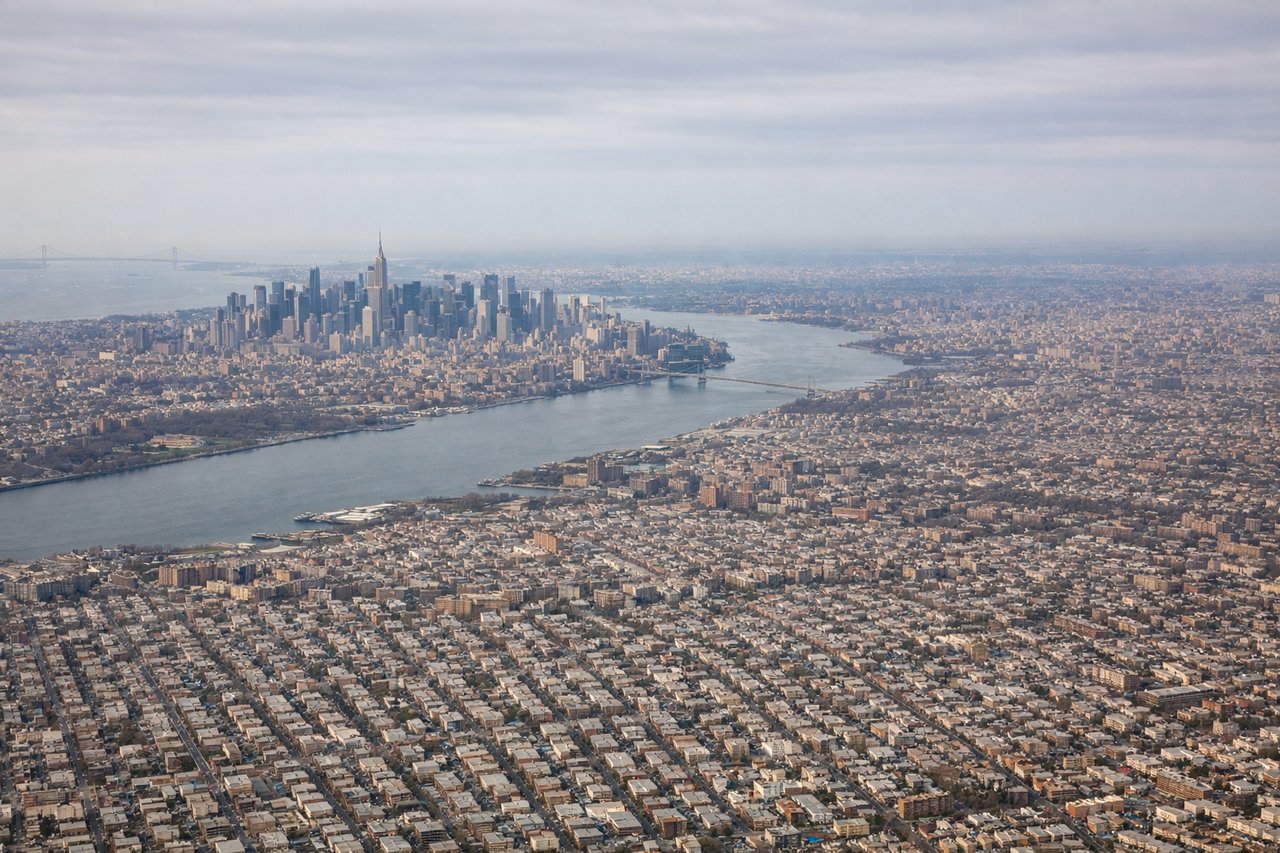
Takeoff from JFK
LEFTJFK's primary departure runways (31L/31R) head northwest, putting Manhattan and the full New York Harbor on the left side. You get a clear view of the skyline, the Verrazano-Narrows Bridge, and the Hudson River as the aircraft climbs out over Brooklyn and Queens.
Landing at KGL
RIGHTKigali International typically uses runway 10/28, with arrivals commonly from the west on runway 10, heading east. On approach from the west, the right side faces north toward the Virunga volcanic chain, giving you a clear view of the Virunga volcanoes including Karisimbi and Bisoke on the Rwanda-DRC border.
Landmarks on this routeAll landmarks →
Will your flight be in sunlight?
See exactly which side of the plane gets sun and shade at your departure time.
About This Route
Which side of the plane should I sit on flying from John F Kennedy International (JFK) to Kigali International (KGL)?
Sit on the Left side of the plane for the best views on flights from New York to Kigali. The left side delivers the iconic New York Harbor and Manhattan departure view, which is one of the most spectacular urban takeoffs in the world. Over Africa the views become more symmetric, but the New York departure alone tips the balance to the left.
What can I see during takeoff from John F Kennedy International in New York?
During takeoff from John F Kennedy International (JFK), sit on the Left side for the best views. JFK's primary departure runways (31L/31R) head northwest, putting Manhattan and the full New York Harbor on the left side. You get a clear view of the skyline, the Verrazano-Narrows Bridge, and the Hudson River as the aircraft climbs out over Brooklyn and Queens. Notable sights include: Manhattan skyline, Verrazano-Narrows Bridge, New York Harbor, Jamaica Bay.
What can I see when landing at Kigali International in Kigali?
When landing at Kigali International (KGL), sit on the Right side for the best views. Kigali International typically uses runway 10/28, with arrivals commonly from the west on runway 10, heading east. On approach from the west, the right side faces north toward the Virunga volcanic chain, giving you a clear view of the Virunga volcanoes including Karisimbi and Bisoke on the Rwanda-DRC border. Notable sights include: Virunga volcanoes (Karisimbi, Bisoke), Lake Kivu, Kigali's hillside urban layout, Nyungwe Forest hills to the south.
How long is the flight from New York to Kigali?
The flight from John F Kennedy International (JFK) to Kigali International (KGL) takes Approximately 14 to 15 hours nonstop, though most routings connect via European or Middle Eastern hubs, adding 3 to 5 hours total travel time.
What does the New York to Kigali flight path pass over?
The flight path typically crosses the North Atlantic toward Europe, passes over the Mediterranean Sea near southern Italy or Greece, then tracks across Egypt and the Nile Delta, the Red Sea or Sudan, and descends over the East African Rift Valley highlands of Ethiopia and Uganda before reaching Rwanda. The Nile River and its delta are visible from altitude over Egypt, and the Ethiopian Highlands present dramatic high-altitude plateau terrain before the descent into the Great Lakes region.