While the takeoff offers some interest over Long Island Sound, the landing approach into Kuala Lumpur on the right side provides significantly more dramatic scenery—the Klang Valley's urban landscape, the Titiwangsa Mountains, and the Strait of Malacca coastline make for a more visually rewarding final descent.
Flown JFK to KUL? Did we get it right?
Flight Path
New York to Kuala Lumpur is 9,426 miles (15,169 km), a flight of about 18 hours.
Over the Atlantic, you'll cross the Mid-Atlantic Ridge area (not visible at altitude). Crossing Europe, the Alps and Mediterranean are potential views depending on routing. Over the Middle East, the Arabian Peninsula's deserts and the Persian Gulf may be visible. Crossing the Indian Ocean, you'll see open water for extended periods. Approaching Asia, the Indian subcontinent's coastline, the Bay of Bengal, and Southeast Asia's river deltas (Irrawaddy, Chao Phraya) become visible before reaching Malaysia.
Great circle distance and headings ›


Phase by phase
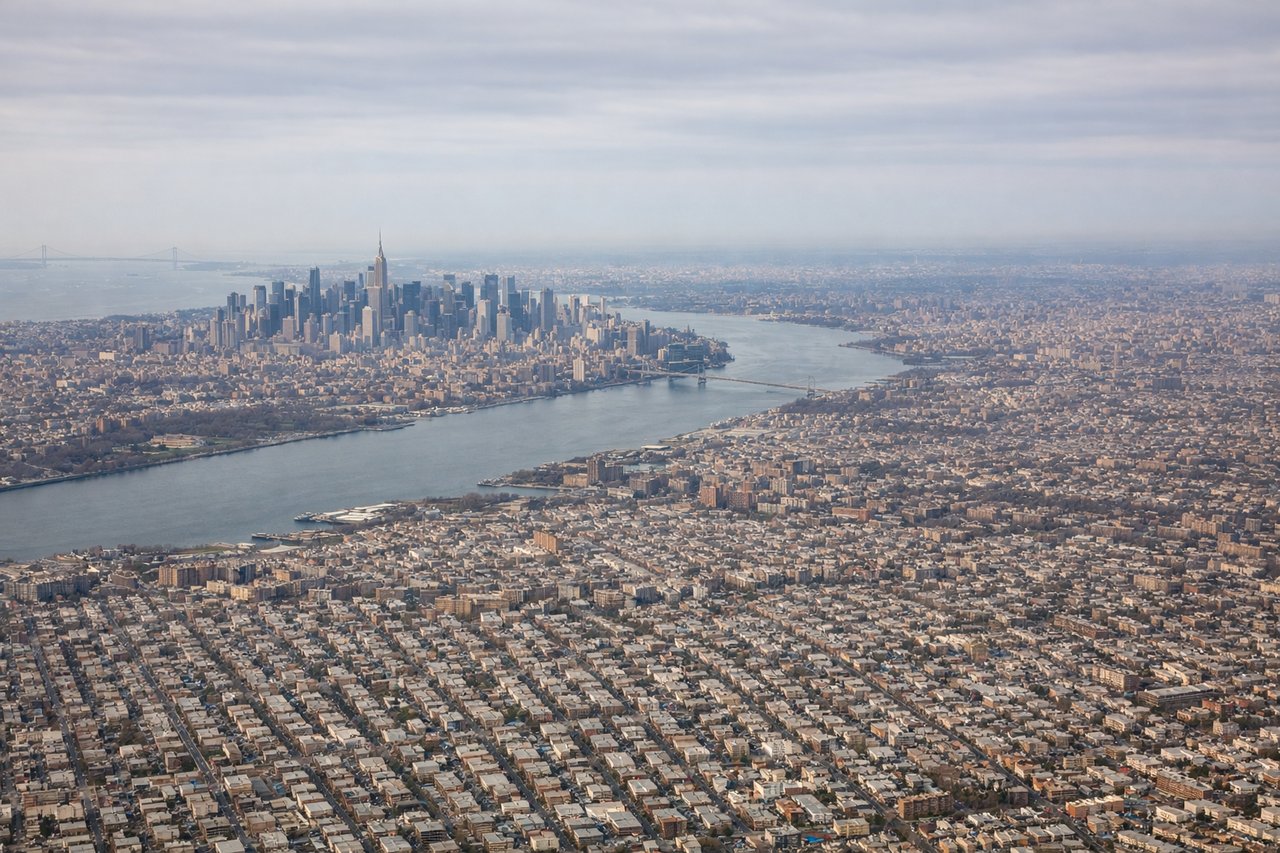
Takeoff from JFK
LEFTLeft-side seats capture the initial climb over Long Island Sound and the Connecticut coastline. You'll see the sound's water body clearly and the suburban sprawl of Long Island receding beneath you.

Landing at KUL
RIGHTRight-side seats offer the best views during descent into Kuala Lumpur. You'll see the Klang Valley's urban sprawl, the Strait of Malacca's coastline, and the Titiwangsa Mountains to the east as you approach.
Will your flight be in sunlight?
Pick a date and time in the Sun Map to watch the sun move across your whole flight.
About This Route
Which side of the plane should I sit on flying from John F Kennedy International (JFK) to Kuala Lumpur International (KUL)?
Sit on the Right side of the plane for the best views on flights from New York to Kuala Lumpur. While the takeoff offers some interest over Long Island Sound, the landing approach into Kuala Lumpur on the right side provides significantly more dramatic scenery—the Klang Valley's urban landscape, the Titiwangsa Mountains, and the Strait of Malacca coastline make for a more visually rewarding final descent.
What can I see during takeoff from John F Kennedy International in New York?
During takeoff from John F Kennedy International (JFK), sit on the Left side for the best views. Left-side seats capture the initial climb over Long Island Sound and the Connecticut coastline. You'll see the sound's water body clearly and the suburban sprawl of Long Island receding beneath you. Notable sights include: Long Island Sound, Connecticut coastline, Long Island's North Shore residential areas, Atlantic Ocean horizon.
What can I see when landing at Kuala Lumpur International in Kuala Lumpur?
When landing at Kuala Lumpur International (KUL), sit on the Right side for the best views. Right-side seats offer the best views during descent into Kuala Lumpur. You'll see the Klang Valley's urban sprawl, the Strait of Malacca's coastline, and the Titiwangsa Mountains to the east as you approach. Notable sights include: Klang Valley urban area, Strait of Malacca coastline, Titiwangsa Mountain Range (eastern horizon), Petronas Twin Towers district (Kuala Lumpur city center).
How long is the flight from New York to Kuala Lumpur?
The flight from John F Kennedy International (JFK) to Kuala Lumpur International (KUL) takes about 18 hours. The shortest flight path between them is 9,426 miles (15,169 km); winds and air traffic control usually add a few percent.
What does the New York to Kuala Lumpur flight path pass over?
Over the Atlantic, you'll cross the Mid-Atlantic Ridge area (not visible at altitude). Crossing Europe, the Alps and Mediterranean are potential views depending on routing. Over the Middle East, the Arabian Peninsula's deserts and the Persian Gulf may be visible. Crossing the Indian Ocean, you'll see open water for extended periods. Approaching Asia, the Indian subcontinent's coastline, the Bay of Bengal, and Southeast Asia's river deltas (Irrawaddy, Chao Phraya) become visible before reaching Malaysia.