The left side offers the stronger bookend views: a classic Manhattan skyline departure and a coastal Chennai city approach, while the right side spends most of the flight over featureless ocean or high-altitude cruise terrain with fewer distinct landmarks.
Flown JFK to MAA? Did we get it right?
Flight Path
New York to Madras is 8,373 miles (13,476 km), a flight of about 15 hours 30 minutes.
Southern Greenland ice sheet edge, Norwegian coastal fjords, Caspian Sea basin, and the arid plateaus of northern Iran and Afghanistan along the great-circle path before descending into peninsular India.
Great circle distance and headings ›


Phase by phase
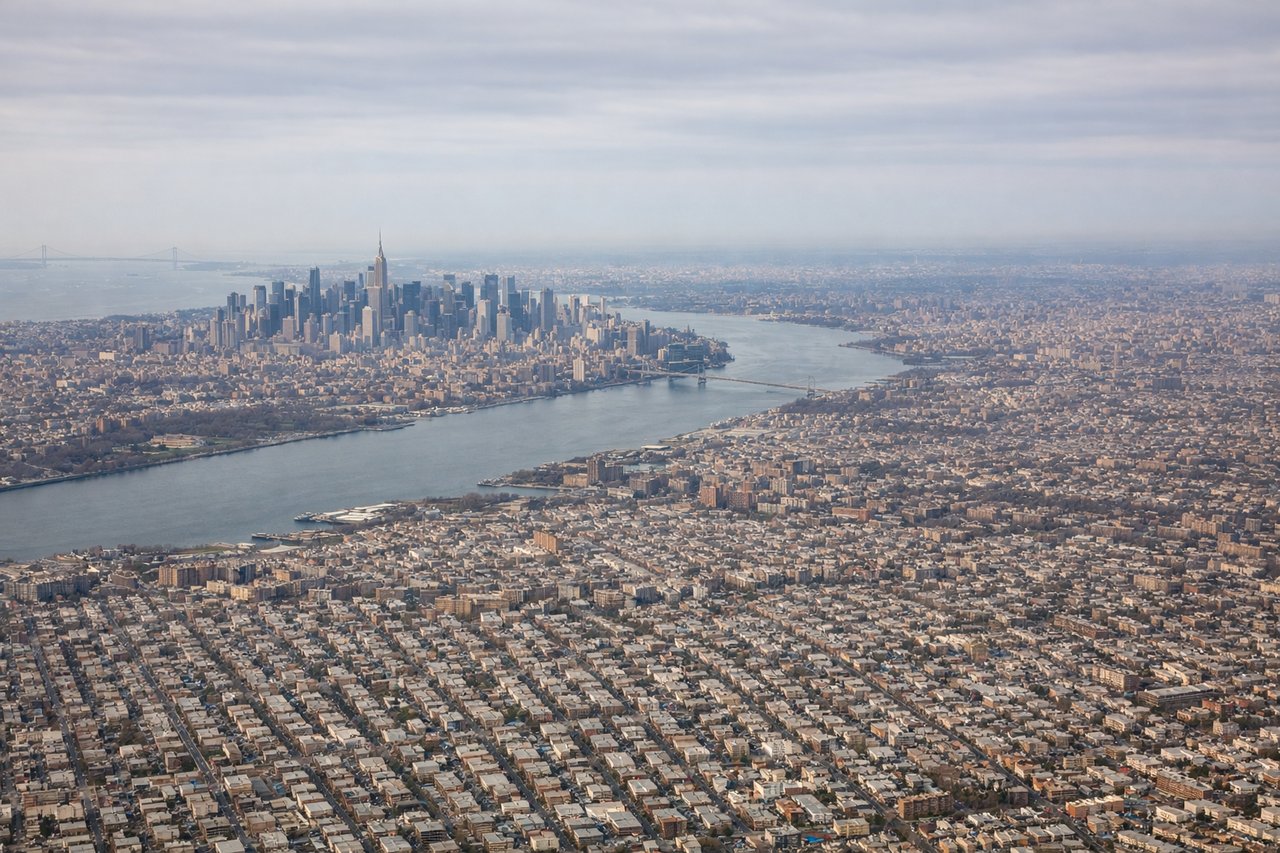
Takeoff from JFK
LEFTEastbound departures from JFK typically bank north over Jamaica Bay before heading out over the Atlantic, giving left-side passengers a clear view of the Manhattan skyline and the Queens/Brooklyn waterfront before the coastline recedes.

Landing at MAA
LEFTOn approach into MAA from over the Bay of Bengal, the aircraft typically turns to align with runway 25, putting Chennai's coastline, Marina Beach, and the city's dense urban grid on the left side during the final descent.
Will your flight be in sunlight?
Pick a date and time in the Sun Map to watch the sun move across your whole flight.
About This Route
Which side of the plane should I sit on flying from John F Kennedy International (JFK) to Chennai International (MAA)?
Sit on the Left side of the plane for the best views on flights from New York to Madras. The left side offers the stronger bookend views: a classic Manhattan skyline departure and a coastal Chennai city approach, while the right side spends most of the flight over featureless ocean or high-altitude cruise terrain with fewer distinct landmarks.
What can I see during takeoff from John F Kennedy International in New York?
During takeoff from John F Kennedy International (JFK), sit on the Left side for the best views. Eastbound departures from JFK typically bank north over Jamaica Bay before heading out over the Atlantic, giving left-side passengers a clear view of the Manhattan skyline and the Queens/Brooklyn waterfront before the coastline recedes. Notable sights include: Manhattan skyline, Jamaica Bay, Rockaway Peninsula, Long Island Sound.
What can I see when landing at Chennai International in Madras?
When landing at Chennai International (MAA), sit on the Left side for the best views. On approach into MAA from over the Bay of Bengal, the aircraft typically turns to align with runway 25, putting Chennai's coastline, Marina Beach, and the city's dense urban grid on the left side during the final descent. Notable sights include: Marina Beach, Chennai city skyline, Bay of Bengal coastline, Adyar River mouth.
How long is the flight from New York to Madras?
The flight from John F Kennedy International (JFK) to Chennai International (MAA) takes about 15 hours 30 minutes. The shortest flight path between them is 8,373 miles (13,476 km); winds and air traffic control usually add a few percent.
What does the New York to Madras flight path pass over?
Southern Greenland ice sheet edge, Norwegian coastal fjords, Caspian Sea basin, and the arid plateaus of northern Iran and Afghanistan along the great-circle path before descending into peninsular India.