The landing approach on the right side delivers the iconic Maldivian atoll view — turquoise lagoons, coral reefs, and Male city — which is one of the most spectacular airport approaches in the world. The takeoff left-side Manhattan view is excellent but brief. Over the long flight, right side also catches the Arabian Sea coastline during descent.
Flown JFK to MLE? Did we get it right?
Flight Path
New York to Male is 8,713 miles (14,022 km), a flight of about 17 hours.
The route tracks northeast across the Atlantic briefly before turning southeast over Western Europe, crossing the Mediterranean near Greece or Turkey, then over the Arabian Peninsula and the Arabian Sea. Key features include the Aegean Sea island chains visible from altitude, the Persian Gulf coastline, the vast flat expanse of the Indian Ocean, and the Sri Lanka coastline appearing as a teardrop-shaped island roughly an hour before descent into Male.
Great circle distance and headings ›


Phase by phase
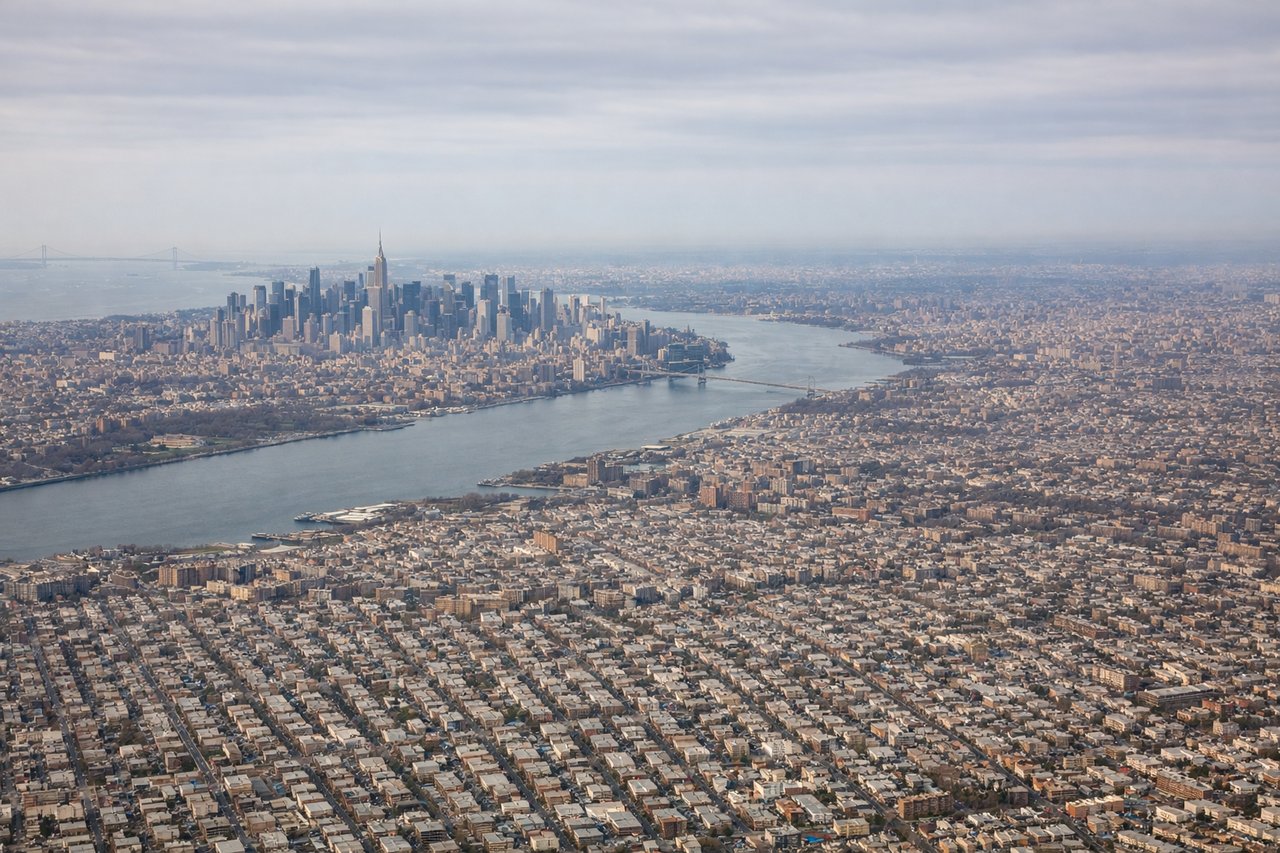
Takeoff from JFK
LEFTJFK's primary departure runways 31L/31R send aircraft on a northwest heading over Jamaica Bay and then curving northeast over Long Island. A left seat gives you the Manhattan skyline across the water to the northwest, with the Verrazano-Narrows Bridge visible to the southwest. Right seat faces Long Island suburbs with little of interest.
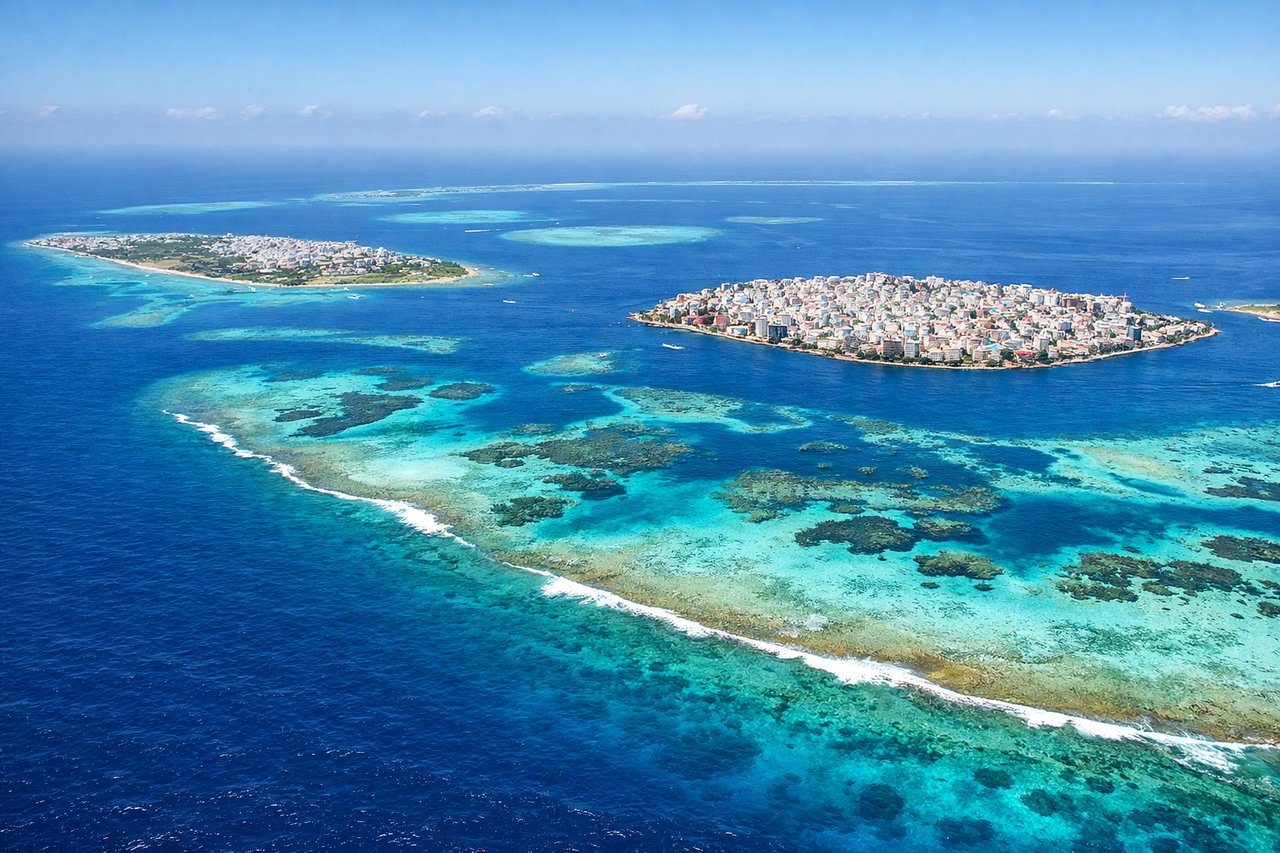
Landing at MLE
RIGHTVelana International Airport sits on a small artificial island north of Male Atoll. Aircraft typically approach from the northeast on runway 18, heading south. The right side faces west toward the densely packed capital island of Male and the turquoise shallow lagoons of North Male Atoll, which are among the most visually striking features in the Maldives from the air.
Will your flight be in sunlight?
Pick a date and time in the Sun Map to watch the sun move across your whole flight.
About This Route
Which side of the plane should I sit on flying from John F Kennedy International (JFK) to Male International (MLE)?
Sit on the Right side of the plane for the best views on flights from New York to Male. The landing approach on the right side delivers the iconic Maldivian atoll view — turquoise lagoons, coral reefs, and Male city — which is one of the most spectacular airport approaches in the world. The takeoff left-side Manhattan view is excellent but brief. Over the long flight, right side also catches the Arabian Sea coastline during descent.
What can I see during takeoff from John F Kennedy International in New York?
During takeoff from John F Kennedy International (JFK), sit on the Left side for the best views. JFK's primary departure runways 31L/31R send aircraft on a northwest heading over Jamaica Bay and then curving northeast over Long Island. A left seat gives you the Manhattan skyline across the water to the northwest, with the Verrazano-Narrows Bridge visible to the southwest. Right seat faces Long Island suburbs with little of interest. Notable sights include: Manhattan skyline, Jamaica Bay wetlands, Verrazano-Narrows Bridge, Brooklyn waterfront.
What can I see when landing at Male International in Male?
When landing at Male International (MLE), sit on the Right side for the best views. Velana International Airport sits on a small artificial island north of Male Atoll. Aircraft typically approach from the northeast on runway 18, heading south. The right side faces west toward the densely packed capital island of Male and the turquoise shallow lagoons of North Male Atoll, which are among the most visually striking features in the Maldives from the air. Notable sights include: Male city island, North Male Atoll coral reefs and lagoons, Hulhumale reclaimed island, shallow turquoise reef flats.
How long is the flight from New York to Male?
The flight from John F Kennedy International (JFK) to Male International (MLE) takes about 17 hours. The shortest flight path between them is 8,713 miles (14,022 km); winds and air traffic control usually add a few percent.
What does the New York to Male flight path pass over?
The route tracks northeast across the Atlantic briefly before turning southeast over Western Europe, crossing the Mediterranean near Greece or Turkey, then over the Arabian Peninsula and the Arabian Sea. Key features include the Aegean Sea island chains visible from altitude, the Persian Gulf coastline, the vast flat expanse of the Indian Ocean, and the Sri Lanka coastline appearing as a teardrop-shaped island roughly an hour before descent into Male.