New York to Norfolk is 290 miles (466 km), a flight of about 1 hour 20 minutes.
The left side offers continuous coastal interest — Jamaica Bay and Rockaway beaches at departure, then Chesapeake Bay and Hampton Roads harbor at arrival — while the right side is dominated by flat, featureless inland terrain for most of the short flight.
Flight Path
The route crosses the New Jersey coastline near Atlantic City, then continues over the Delmarva Peninsula and the lower Chesapeake Bay before descending into Norfolk.
Great circle distance and headings ›.jpg?width=600)

Phase by phase
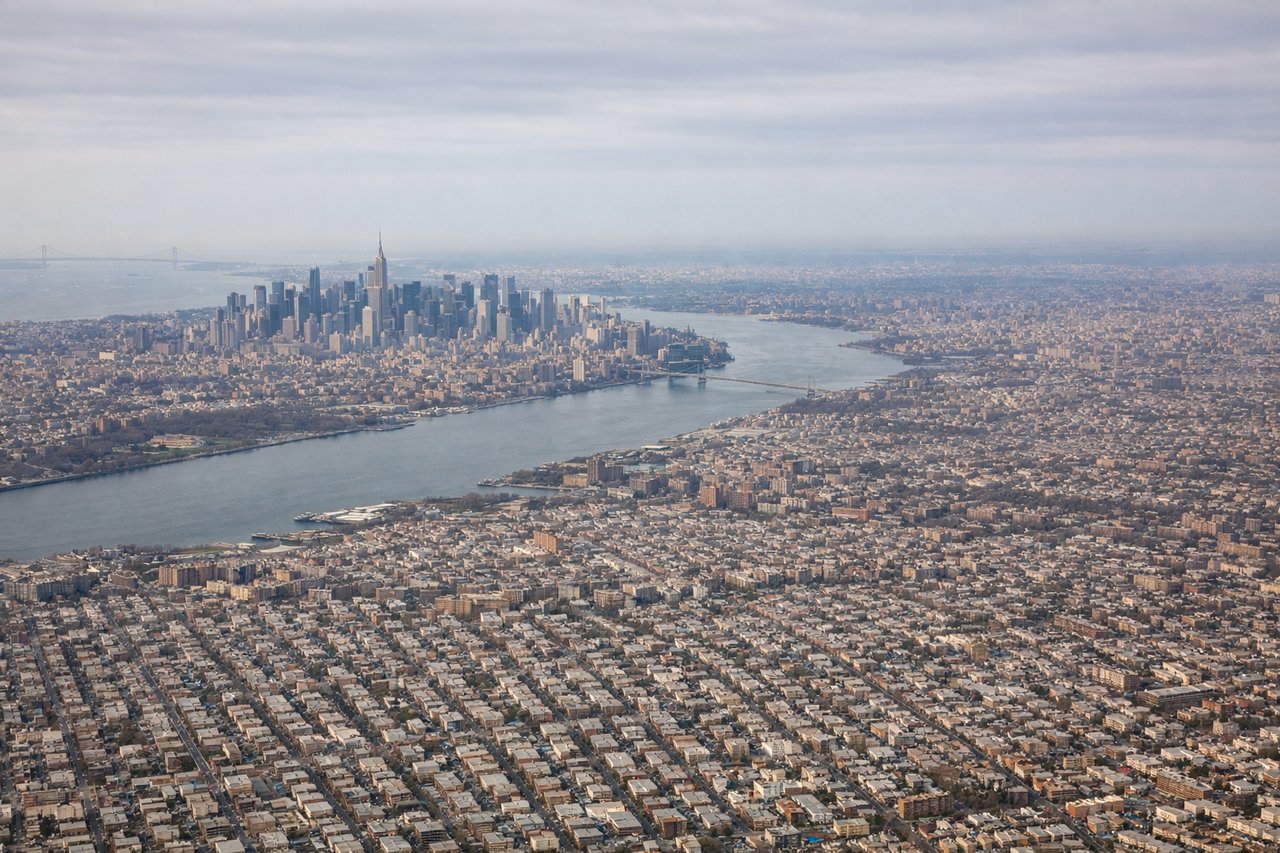
Takeoff from JFK
LEFTDepartures from JFK heading south typically bank out over Jamaica Bay and the Rockaway Peninsula, giving left-side passengers a good look at the barrier beaches and Atlantic shoreline before the climb continues south. The right side over Brooklyn/Queens rooftops is less distinctive once away from the airport.
Landing at ORF
LEFTOn approach into Norfolk, the flight path often tracks down along the Chesapeake Bay before turning onto final for runway 23, putting the bay's mouth, Hampton Roads harbor, and the Norfolk Naval Station shipyards on the left side. The right side mostly shows flat, undifferentiated Virginia farmland and suburbs.
Landmarks on this routeAll landmarks →
Will your flight be in sunlight?
Pick a date and time in the Sun Map to watch the sun move across your whole flight.
About This Route
Which side of the plane should I sit on flying from John F Kennedy International (JFK) to Norfolk International (ORF)?
Sit on the Left side of the plane for the best views on flights from New York to Norfolk. The left side offers continuous coastal interest — Jamaica Bay and Rockaway beaches at departure, then Chesapeake Bay and Hampton Roads harbor at arrival — while the right side is dominated by flat, featureless inland terrain for most of the short flight.
What can I see during takeoff from John F Kennedy International in New York?
During takeoff from John F Kennedy International (JFK), sit on the Left side for the best views. Departures from JFK heading south typically bank out over Jamaica Bay and the Rockaway Peninsula, giving left-side passengers a good look at the barrier beaches and Atlantic shoreline before the climb continues south. The right side over Brooklyn/Queens rooftops is less distinctive once away from the airport. Notable sights include: Jamaica Bay, Rockaway Peninsula beaches, Atlantic coastline, Coney Island in the distance.
What can I see when landing at Norfolk International in Norfolk?
When landing at Norfolk International (ORF), sit on the Left side for the best views. On approach into Norfolk, the flight path often tracks down along the Chesapeake Bay before turning onto final for runway 23, putting the bay's mouth, Hampton Roads harbor, and the Norfolk Naval Station shipyards on the left side. The right side mostly shows flat, undifferentiated Virginia farmland and suburbs. Notable sights include: Chesapeake Bay mouth, Hampton Roads harbor, Norfolk Naval Station, Elizabeth River.
How long is the flight from New York to Norfolk?
The flight from John F Kennedy International (JFK) to Norfolk International (ORF) takes about 1 hour 20 minutes. The shortest flight path between them is 290 miles (466 km); winds and air traffic control usually add a few percent.
What does the New York to Norfolk flight path pass over?
The route crosses the New Jersey coastline near Atlantic City, then continues over the Delmarva Peninsula and the lower Chesapeake Bay before descending into Norfolk.