New York to Pico is 2,391 miles (3,848 km), a flight of about 5 hours 10 minutes.
While the takeoff favors left seats for Long Island Sound views, the landing approach to Pico's dramatic volcanic cone from the right side is the flight's most visually distinctive moment. Right seats capture the iconic Azores geography that makes this route memorable.
Flight Path
The flight crosses the Atlantic at roughly 35,000 feet. Notable features include the Grand Banks region southeast of Newfoundland (visible only as ocean), the Mid-Atlantic Ridge area (not visible as a discrete feature), and the approach to the Azores archipelago in the eastern Atlantic. The Azores sit on the Mid-Atlantic Ridge system. Most of the transatlantic crossing shows only open ocean, clouds, and occasionally the curvature of the Earth. The most dramatic scenery occurs during the final 90 minutes of descent as the Azores islands become visible on the horizon, with Pico's volcanic peak becoming increasingly prominent.
Great circle distance and headings ›Phase by phase
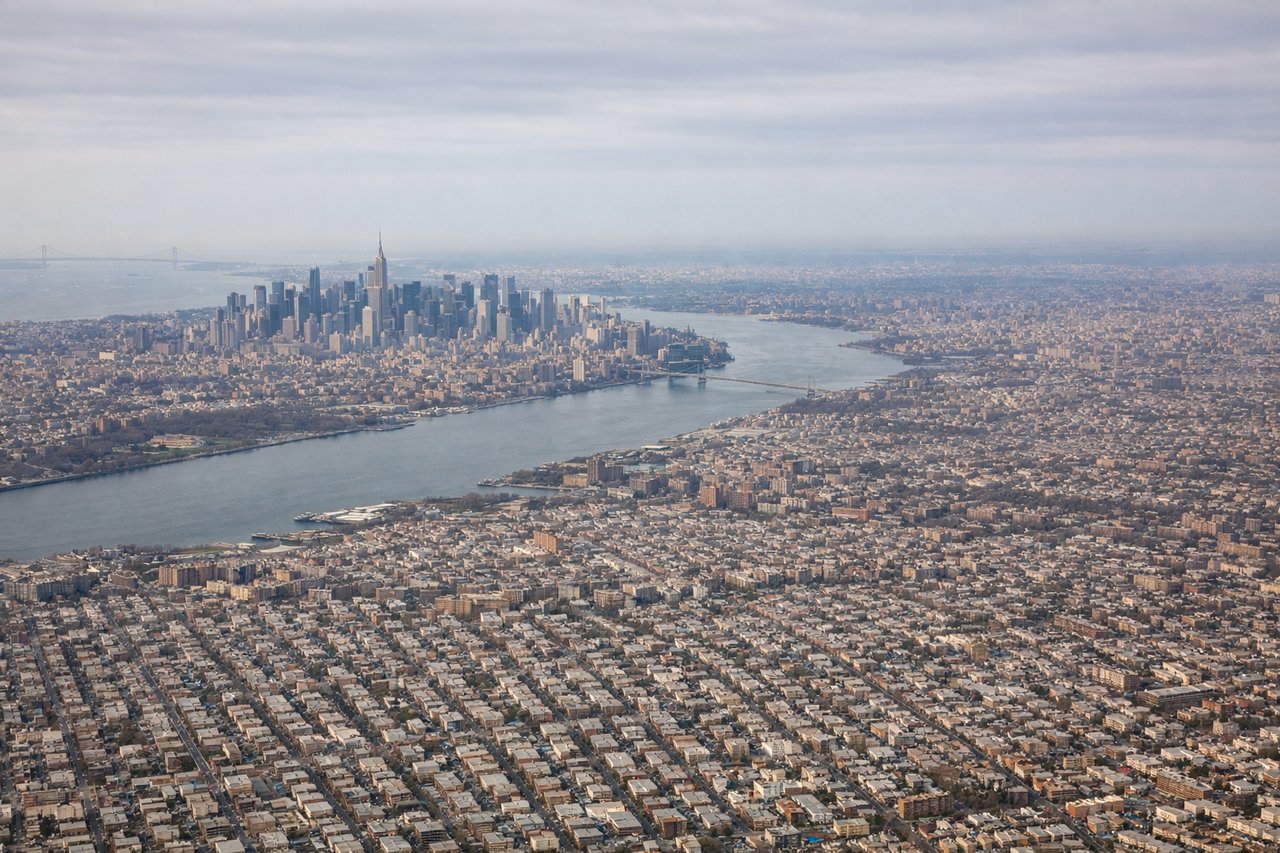
Takeoff from JFK
LEFTLeft seats offer views of Long Island Sound and the Connecticut coastline during the typical eastbound departure from JFK. You'll see the sound's blue waters and the irregular shoreline receding beneath the aircraft as you climb out over water.
Landing at PIX
RIGHTRight seats provide the best views during approach to Pico. You'll see the dramatic volcanic cone of Pico mountain rising from the Atlantic, and the smaller neighboring islands of the Azores archipelago (Faial and São Jorge) positioned to the right and ahead.
Landmarks on this routeAll landmarks →
Will your flight be in sunlight?
Pick a date and time in the Sun Map to watch the sun move across your whole flight.
About This Route
Which side of the plane should I sit on flying from John F Kennedy International (JFK) to Pico (PIX)?
Sit on the Right side of the plane for the best views on flights from New York to Pico. While the takeoff favors left seats for Long Island Sound views, the landing approach to Pico's dramatic volcanic cone from the right side is the flight's most visually distinctive moment. Right seats capture the iconic Azores geography that makes this route memorable.
What can I see during takeoff from John F Kennedy International in New York?
During takeoff from John F Kennedy International (JFK), sit on the Left side for the best views. Left seats offer views of Long Island Sound and the Connecticut coastline during the typical eastbound departure from JFK. You'll see the sound's blue waters and the irregular shoreline receding beneath the aircraft as you climb out over water. Notable sights include: Long Island Sound, Connecticut coastline, Manhattan skyline (visible briefly to the northwest), Jamaica Bay marshlands.
What can I see when landing at Pico in Pico?
When landing at Pico (PIX), sit on the Right side for the best views. Right seats provide the best views during approach to Pico. You'll see the dramatic volcanic cone of Pico mountain rising from the Atlantic, and the smaller neighboring islands of the Azores archipelago (Faial and São Jorge) positioned to the right and ahead. Notable sights include: Pico volcano (2,351 m peak), Faial Island with its caldera, São Jorge Island, Atlantic Ocean swells.
How long is the flight from New York to Pico?
The flight from John F Kennedy International (JFK) to Pico (PIX) takes about 5 hours 10 minutes. The shortest flight path between them is 2,391 miles (3,848 km); winds and air traffic control usually add a few percent.
What does the New York to Pico flight path pass over?
The flight crosses the Atlantic at roughly 35,000 feet. Notable features include the Grand Banks region southeast of Newfoundland (visible only as ocean), the Mid-Atlantic Ridge area (not visible as a discrete feature), and the approach to the Azores archipelago in the eastern Atlantic. The Azores sit on the Mid-Atlantic Ridge system. Most of the transatlantic crossing shows only open ocean, clouds, and occasionally the curvature of the Earth. The most dramatic scenery occurs during the final 90 minutes of descent as the Azores islands become visible on the horizon, with Pico's volcanic peak becoming increasingly prominent.