Johannesburg to Hoedspruit is 214 miles (345 km), a flight of about 1 hour 15 minutes.
While takeoff favors the right for Johannesburg's urban geography, the landing approach on the left provides the more dramatic and distinctive visual experience—the Drakensberg escarpment is a major geographical feature that dominates the approach corridor and is genuinely impressive from altitude.
Flight Path
The flight path crosses the central Highveld plateau, passing over the Limpopo Province. Notable features include the transition from the Witwatersrand basin northward into open grassland and scattered settlements around towns like Polokwane (visible to the west on some routes). The terrain gradually descends toward the Lowveld as the aircraft approaches the Drakensberg escarpment. No major water bodies are crossed, but the Olifants River system becomes visible in the final approach phase.
Great circle distance and headings ›.jpg?width=600)

Phase by phase
Takeoff from JNB
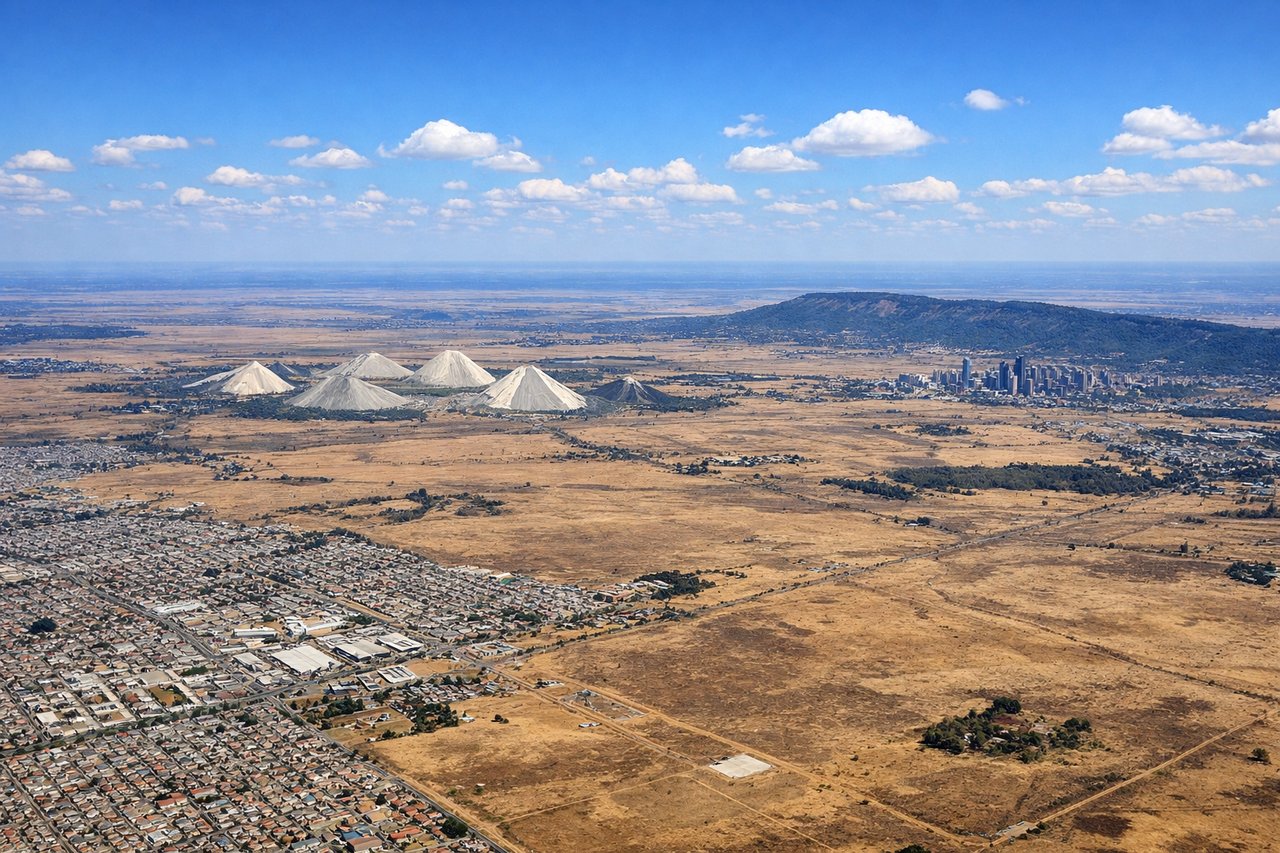
RIGHTJNB typically departs northbound (runways 03L/03R or 09L/09R depending on wind). Right-side seats offer views of the Witwatersrand ridge and the sprawling Johannesburg urban area receding southward, plus the transition into the Highveld plateau.
Landing at HDS
LEFTApproaching HDS from the south, left-side seats provide views of the Drakensberg escarpment and the transition from the Highveld into the Lowveld. The descent path offers clear sightlines to the dramatic topographic change and the surrounding bushveld landscape.
Landmarks on this routeAll landmarks →
Will your flight be in sunlight?
Pick a date and time in the Sun Map to watch the sun move across your whole flight.
About This Route
Which side of the plane should I sit on flying from O.R. Tambo International Airport (JNB) to Hoedspruit Afs (HDS)?
Sit on the Left side of the plane for the best views on flights from Johannesburg to Hoedspruit. While takeoff favors the right for Johannesburg's urban geography, the landing approach on the left provides the more dramatic and distinctive visual experience—the Drakensberg escarpment is a major geographical feature that dominates the approach corridor and is genuinely impressive from altitude.
What can I see during takeoff from O.R. Tambo International Airport in Johannesburg?
During takeoff from O.R. Tambo International Airport (JNB), sit on the Right side for the best views. JNB typically departs northbound (runways 03L/03R or 09L/09R depending on wind). Right-side seats offer views of the Witwatersrand ridge and the sprawling Johannesburg urban area receding southward, plus the transition into the Highveld plateau. Notable sights include: Witwatersrand ridge (gold mining region with visible mine dumps), Johannesburg city center and northern suburbs, Pretoria skyline to the north, Magaliesburg Mountains on the distant horizon.
What can I see when landing at Hoedspruit Afs in Hoedspruit?
When landing at Hoedspruit Afs (HDS), sit on the Left side for the best views. Approaching HDS from the south, left-side seats provide views of the Drakensberg escarpment and the transition from the Highveld into the Lowveld. The descent path offers clear sightlines to the dramatic topographic change and the surrounding bushveld landscape. Notable sights include: Drakensberg Mountains escarpment (eastern edge), Lowveld bushveld terrain, Olifants River valley, scattered game reserve clearings and access roads.
How long is the flight from Johannesburg to Hoedspruit?
The flight from O.R. Tambo International Airport (JNB) to Hoedspruit Afs (HDS) takes about 1 hour 15 minutes. The shortest flight path between them is 214 miles (345 km); winds and air traffic control usually add a few percent.
What does the Johannesburg to Hoedspruit flight path pass over?
The flight path crosses the central Highveld plateau, passing over the Limpopo Province. Notable features include the transition from the Witwatersrand basin northward into open grassland and scattered settlements around towns like Polokwane (visible to the west on some routes). The terrain gradually descends toward the Lowveld as the aircraft approaches the Drakensberg escarpment. No major water bodies are crossed, but the Olifants River system becomes visible in the final approach phase.