Left wins both ends of the flight. The Reykjanes lava fields and Faxaflói Bay at departure are genuinely dramatic, and the Jamaica Bay and Manhattan approach at arrival is one of the more recognizable urban approaches in aviation. Right side sees open North Atlantic for most of the flight with little to distinguish it.
Flight Path
The great circle route crosses the North Atlantic, passing south of Greenland's tip near Cape Farewell, then over the Labrador Sea and the coast of Nova Scotia or Newfoundland depending on winds and routing. Passengers may see sea ice or icebergs near the Greenland coast at altitude, and the Canadian Maritime coastline with its bays and inlets becomes visible in the descent phase. The mid-Atlantic portion is open ocean with no land features.
Great circle distance and headings ›.jpeg?width=600)
.jpg?width=600)
Phase by phase
Takeoff from KEF
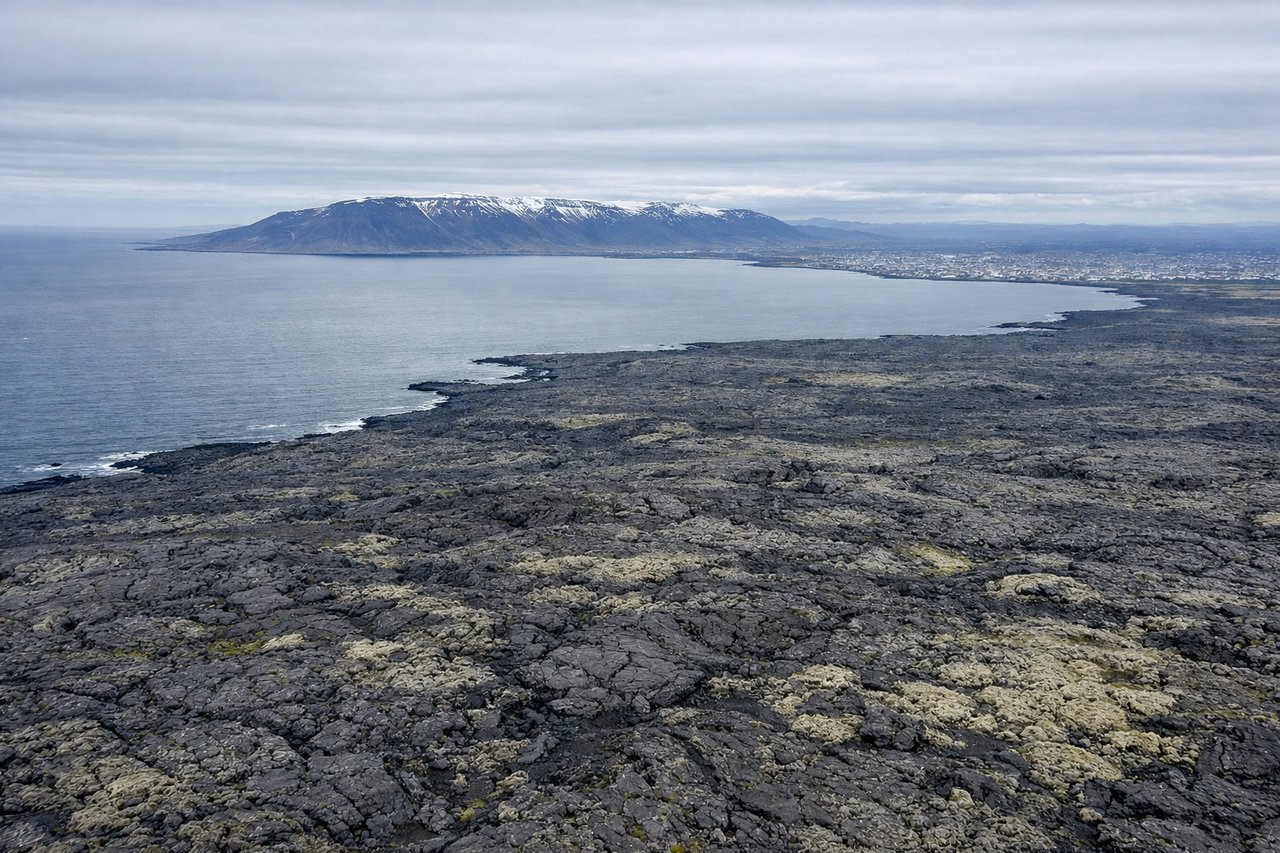
LEFTKeflavik typically departs eastward on runway 10, so the left (north) side gives you a clear view back over the Reykjanes Peninsula lava fields and Faxaflói Bay. You'll see the dramatic contrast between the dark volcanic terrain and the North Atlantic as the aircraft climbs out.
Landing at JFK
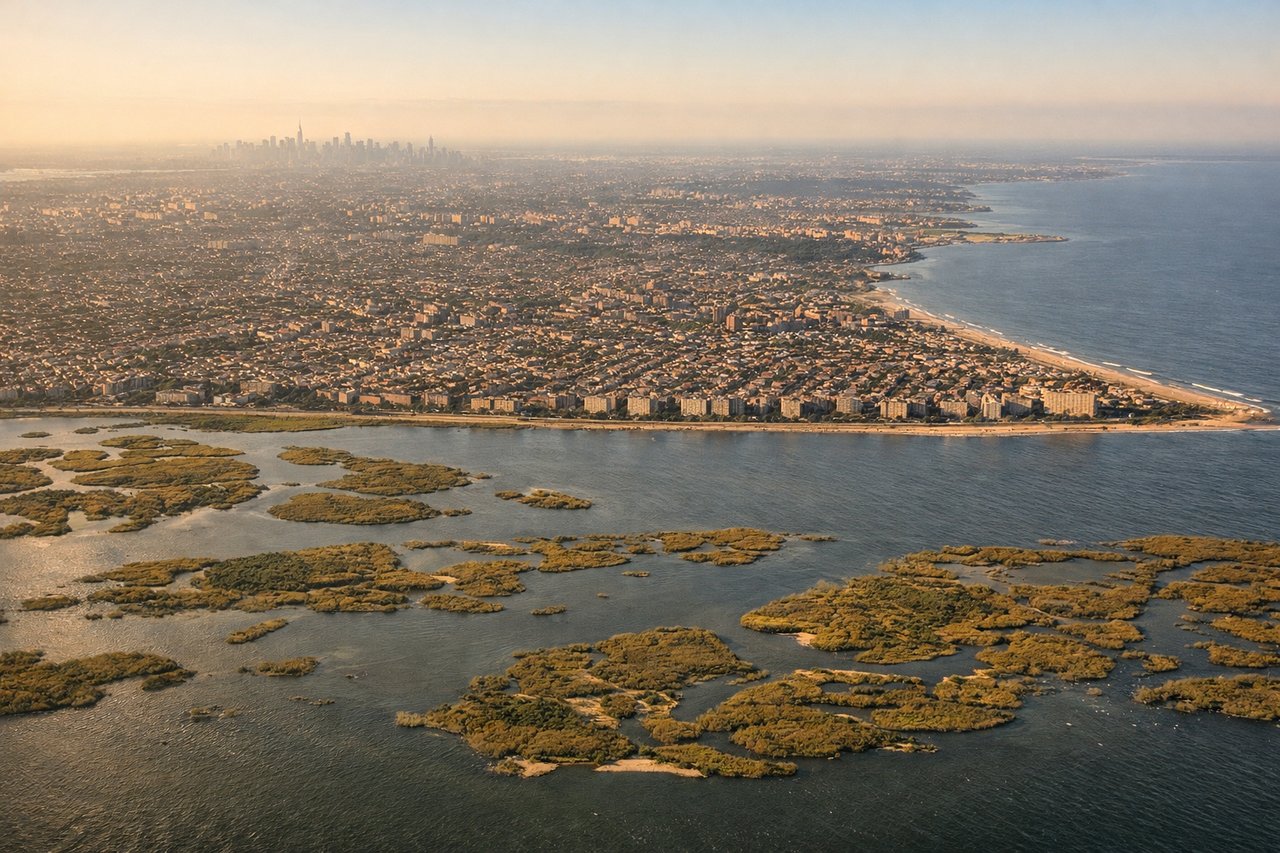
LEFTJFK typically lands on runway 31L or 22L from the east, meaning the left side faces south and southwest toward Jamaica Bay, the Rockaway Peninsula, and the Manhattan skyline in the distance. This is consistently the more scenic approach side with recognizable New York geography.
Landmarks on this routeAll landmarks →
Will your flight be in sunlight?
See exactly which side of the plane gets sun and shade at your departure time.
About This Route
Which side of the plane should I sit on flying from Keflavik Nas (KEF) to John F Kennedy International (JFK)?
Sit on the Left side of the plane for the best views on flights from Keflavik to New York. Left wins both ends of the flight. The Reykjanes lava fields and Faxaflói Bay at departure are genuinely dramatic, and the Jamaica Bay and Manhattan approach at arrival is one of the more recognizable urban approaches in aviation. Right side sees open North Atlantic for most of the flight with little to distinguish it.
What can I see during takeoff from Keflavik Nas in Keflavik?
During takeoff from Keflavik Nas (KEF), sit on the Left side for the best views. Keflavik typically departs eastward on runway 10, so the left (north) side gives you a clear view back over the Reykjanes Peninsula lava fields and Faxaflói Bay. You'll see the dramatic contrast between the dark volcanic terrain and the North Atlantic as the aircraft climbs out. Notable sights include: Reykjanes Peninsula lava fields, Faxaflói Bay, Mount Esja across the bay to the northeast, Reykjavik city lights if departing in low light.
What can I see when landing at John F Kennedy International in New York?
When landing at John F Kennedy International (JFK), sit on the Left side for the best views. JFK typically lands on runway 31L or 22L from the east, meaning the left side faces south and southwest toward Jamaica Bay, the Rockaway Peninsula, and the Manhattan skyline in the distance. This is consistently the more scenic approach side with recognizable New York geography. Notable sights include: Jamaica Bay and its barrier islands, Rockaway Peninsula, Manhattan skyline on the distant horizon to the northwest, Coney Island shoreline.
How long is the flight from Keflavik to New York?
The flight from Keflavik Nas (KEF) to John F Kennedy International (JFK) takes Approximately 6 to 7 hours.
What does the Keflavik to New York flight path pass over?
The great circle route crosses the North Atlantic, passing south of Greenland's tip near Cape Farewell, then over the Labrador Sea and the coast of Nova Scotia or Newfoundland depending on winds and routing. Passengers may see sea ice or icebergs near the Greenland coast at altitude, and the Canadian Maritime coastline with its bays and inlets becomes visible in the descent phase. The mid-Atlantic portion is open ocean with no land features.