The left side captures Iceland's dramatic volcanic terrain and Reykjavík at departure, plus Amsterdam's cityscape and the IJsselmeer at arrival, while the right side is dominated by open ocean during both the takeoff turn and the flat Dutch countryside on approach.
Flight Path
North Atlantic Ocean, with the flight path passing south of the Faroe Islands and near the northern tip of Scotland before crossing the North Sea toward the Netherlands
Great circle distance and headings ›

Phase by phase
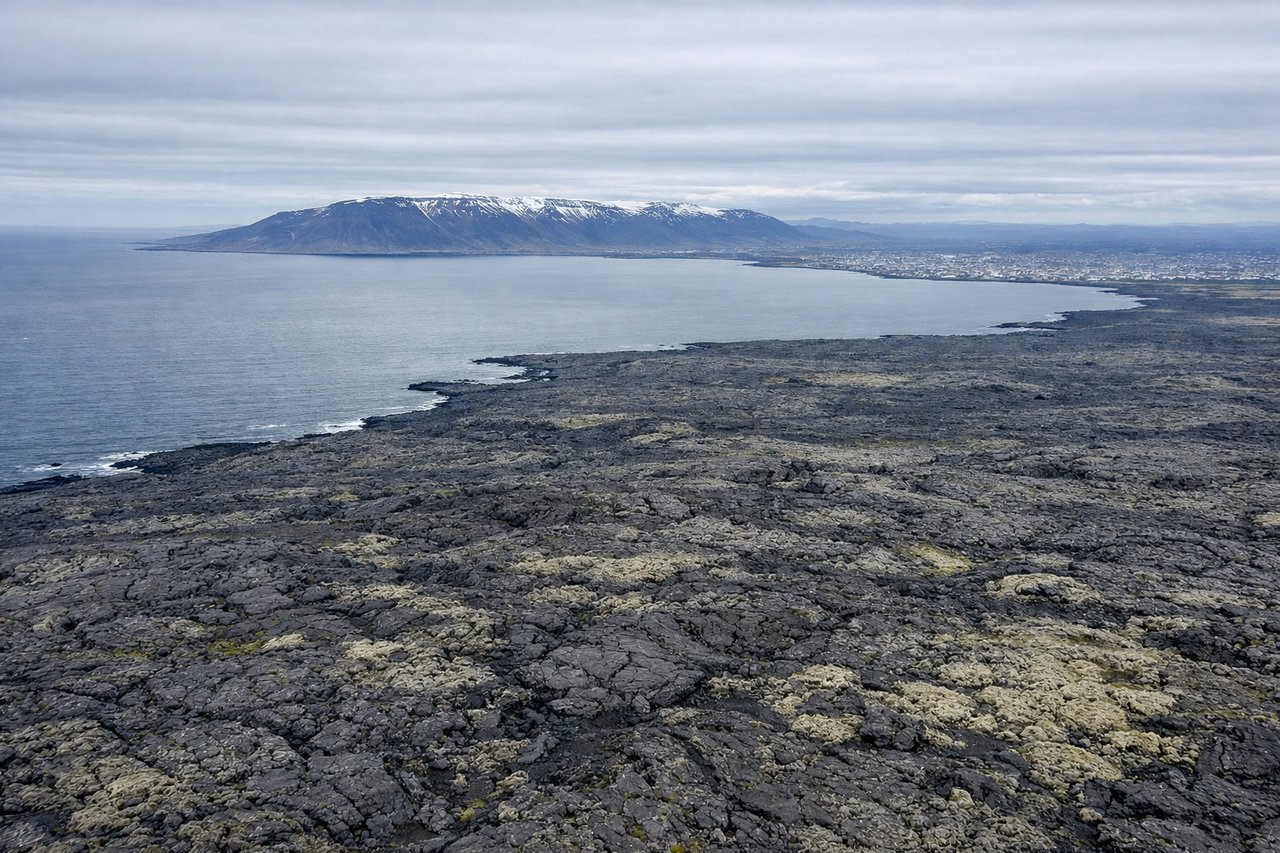
Takeoff from KEF
LEFTDeparting KEF on runway 19 the aircraft climbs south then banks left toward the southeast, swinging the left side toward Reykjavík, Faxaflói bay, and the volcanic highlands inland. The right side mostly shows open Atlantic and the flatter Reykjanes peninsula.
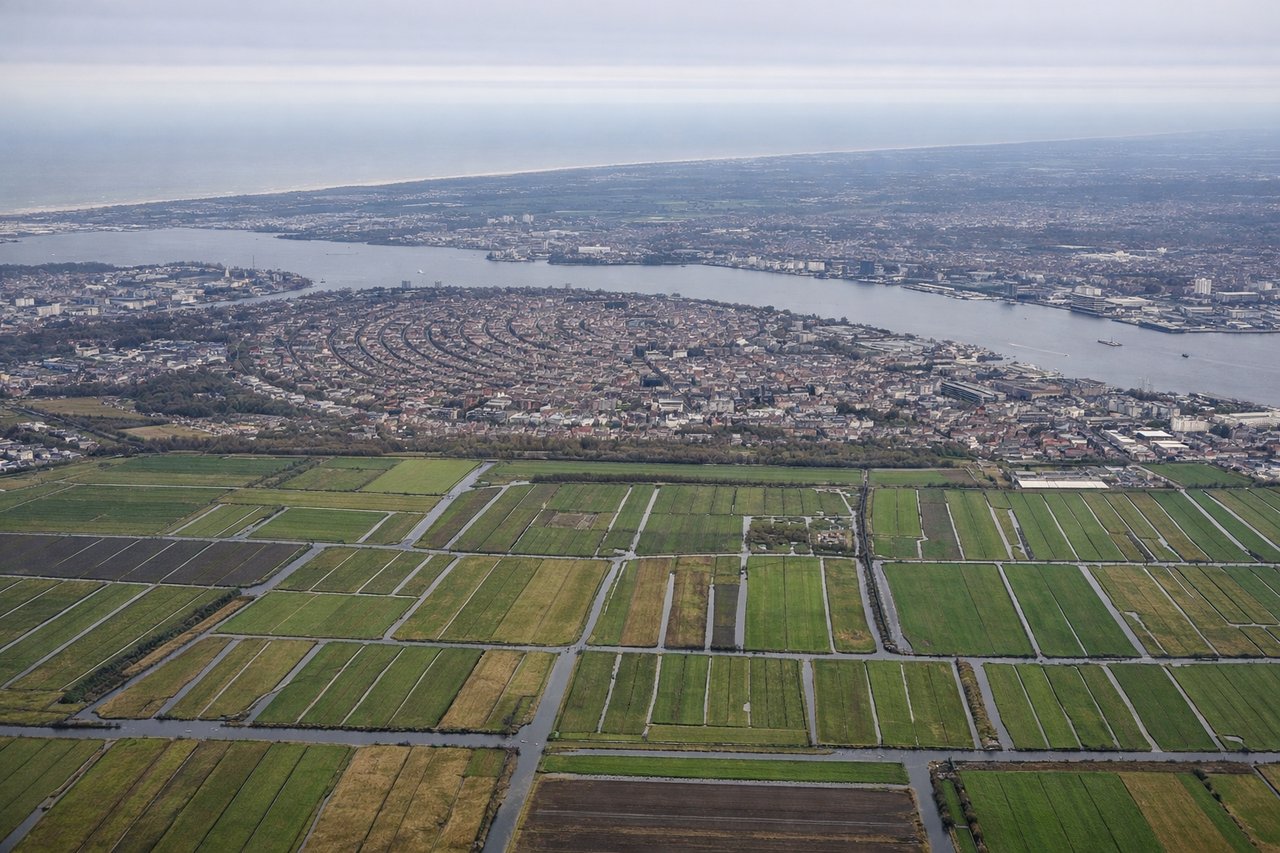
Landing at AMS
LEFTArrivals into Schiphol from the north typically track south toward runway 18C/18R, keeping Amsterdam's city center and the IJsselmeer's open water on the left side during the final descent. The right side mainly shows flat polder farmland and the North Sea coastal dunes.
Landmarks on this routeAll landmarks →
Will your flight be in sunlight?
See exactly which side of the plane gets sun and shade at your departure time.
About This Route
Which side of the plane should I sit on flying from Keflavik Nas (KEF) to Schiphol (AMS)?
Sit on the Left side of the plane for the best views on flights from Keflavik to Amsterdam. The left side captures Iceland's dramatic volcanic terrain and Reykjavík at departure, plus Amsterdam's cityscape and the IJsselmeer at arrival, while the right side is dominated by open ocean during both the takeoff turn and the flat Dutch countryside on approach.
What can I see during takeoff from Keflavik Nas in Keflavik?
During takeoff from Keflavik Nas (KEF), sit on the Left side for the best views. Departing KEF on runway 19 the aircraft climbs south then banks left toward the southeast, swinging the left side toward Reykjavík, Faxaflói bay, and the volcanic highlands inland. The right side mostly shows open Atlantic and the flatter Reykjanes peninsula. Notable sights include: Reykjavík skyline, Faxaflói bay, Mount Esja, distant Snæfellsjökull glacier-volcano across the bay.
What can I see when landing at Schiphol in Amsterdam?
When landing at Schiphol (AMS), sit on the Left side for the best views. Arrivals into Schiphol from the north typically track south toward runway 18C/18R, keeping Amsterdam's city center and the IJsselmeer's open water on the left side during the final descent. The right side mainly shows flat polder farmland and the North Sea coastal dunes. Notable sights include: IJsselmeer lake, Amsterdam canal ring and harbor, polder farmland patchwork, distant North Sea coastline.
How long is the flight from Keflavik to Amsterdam?
The flight from Keflavik Nas (KEF) to Schiphol (AMS) takes 3h 20m.
What does the Keflavik to Amsterdam flight path pass over?
North Atlantic Ocean, with the flight path passing south of the Faroe Islands and near the northern tip of Scotland before crossing the North Sea toward the Netherlands