Left side delivers the best views at both ends of the flight — Amsterdam's canal city and polders on departure, and Iceland's dramatic volcanic coastline on arrival. Over the open North Atlantic mid-flight, neither side has a meaningful advantage, but the left side also faces toward Greenland's distant ice edge if flying the northern arc of the route.
Flight Path
The flight tracks northwest over the North Sea, crossing the northern tip of Scotland or the Faroe Islands depending on routing. The Faroe Islands may be visible as dark rocky outcrops in the grey Atlantic if routing passes nearby. The remainder is open North Atlantic with occasional sea ice or icebergs visible at lower latitudes near Iceland. The southern coast of Iceland appears on descent, showing black sand beaches and glacial outwash plains before the volcanic Reykjanes Peninsula.
Great circle distance and headings ›

Phase by phase
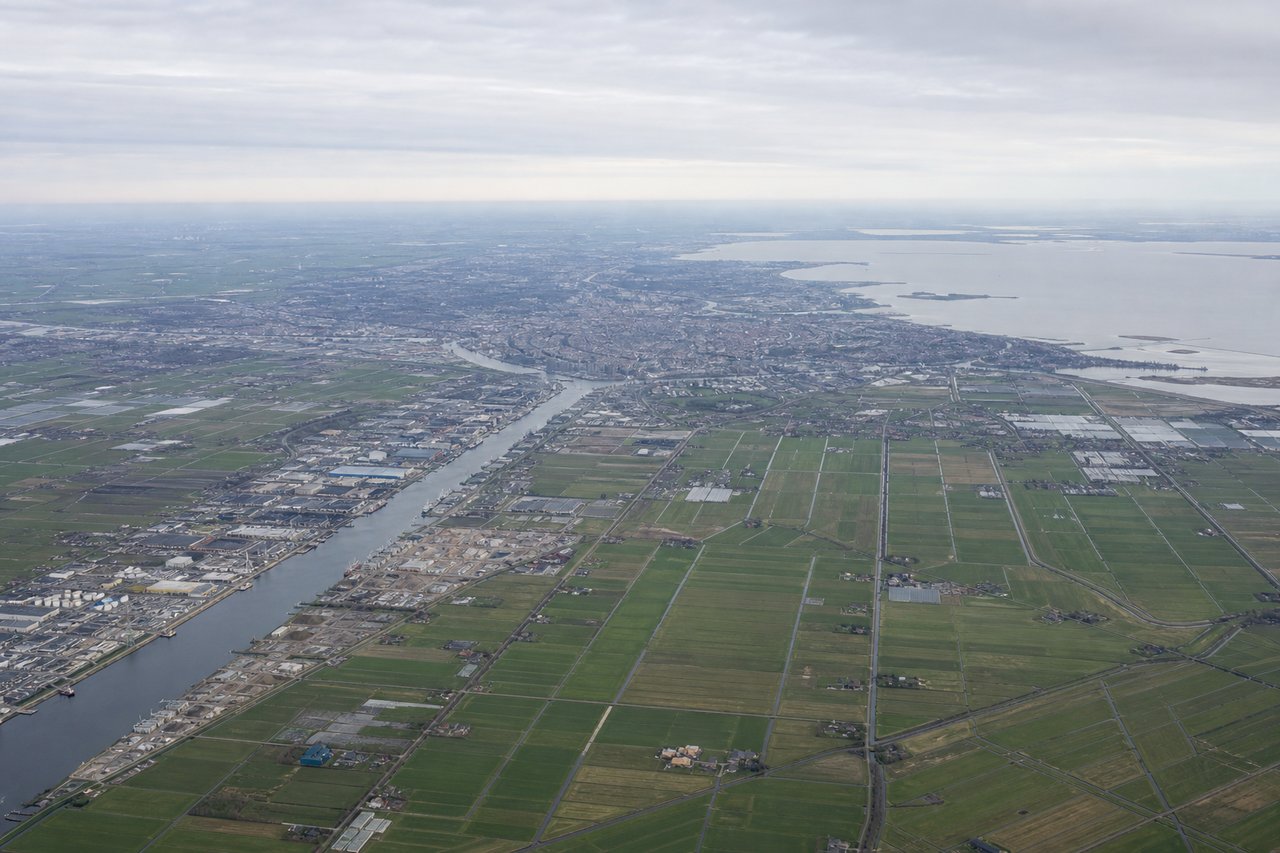
Takeoff from AMS
LEFTSchiphol's primary departure runways (18R/36L and 06/24) mean a northwestward or westward climb-out frequently puts Amsterdam city center and the IJ waterway on the left side. You'll see the dense canal ring of Amsterdam and the open polder landscape of North Holland stretching out clearly.
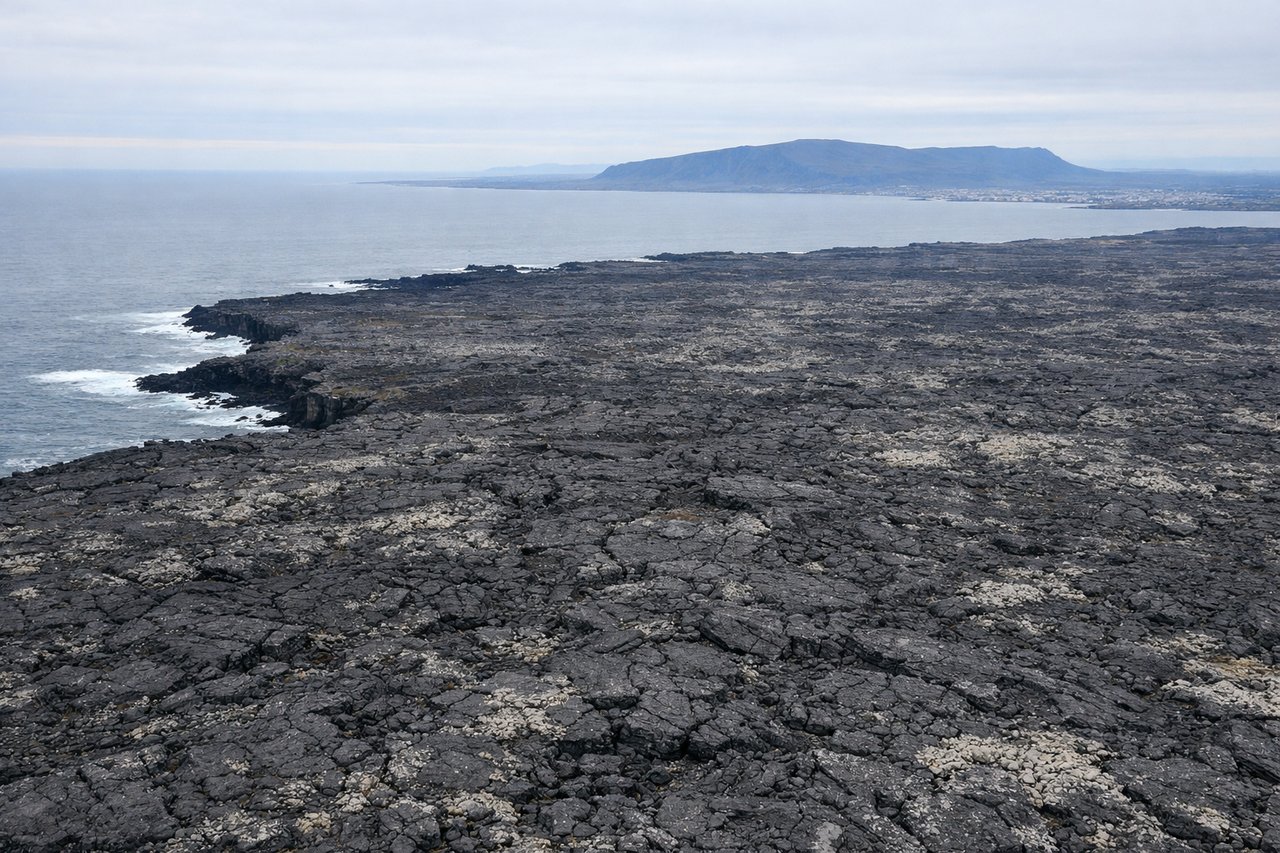
Landing at KEF
LEFTKeflavik's main runway 28/10 means arrivals from the east typically approach from the southeast, putting the Reykjanes Peninsula lava fields and the Atlantic coastline on the left. You get a clear view of the rugged volcanic terrain and often glimpse Reykjavik across Faxaflói Bay in the distance.
Landmarks on this routeAll landmarks →
Will your flight be in sunlight?
See exactly which side of the plane gets sun and shade at your departure time.
About This Route
Which side of the plane should I sit on flying from Schiphol (AMS) to Keflavik Nas (KEF)?
Sit on the Left side of the plane for the best views on flights from Amsterdam to Keflavik. Left side delivers the best views at both ends of the flight — Amsterdam's canal city and polders on departure, and Iceland's dramatic volcanic coastline on arrival. Over the open North Atlantic mid-flight, neither side has a meaningful advantage, but the left side also faces toward Greenland's distant ice edge if flying the northern arc of the route.
What can I see during takeoff from Schiphol in Amsterdam?
During takeoff from Schiphol (AMS), sit on the Left side for the best views. Schiphol's primary departure runways (18R/36L and 06/24) mean a northwestward or westward climb-out frequently puts Amsterdam city center and the IJ waterway on the left side. You'll see the dense canal ring of Amsterdam and the open polder landscape of North Holland stretching out clearly. Notable sights include: Amsterdam canal ring, IJ waterway and IJmeer, North Holland polder fields, Haarlem city outline to the southwest.
What can I see when landing at Keflavik Nas in Keflavik?
When landing at Keflavik Nas (KEF), sit on the Left side for the best views. Keflavik's main runway 28/10 means arrivals from the east typically approach from the southeast, putting the Reykjanes Peninsula lava fields and the Atlantic coastline on the left. You get a clear view of the rugged volcanic terrain and often glimpse Reykjavik across Faxaflói Bay in the distance. Notable sights include: Reykjanes Peninsula lava fields, Faxaflói Bay, Mount Esja across the bay near Reykjavik, Atlantic coastline of southwest Iceland.
How long is the flight from Amsterdam to Keflavik?
The flight from Schiphol (AMS) to Keflavik Nas (KEF) takes Approximately 2 hours 45 minutes to 3 hours.
What does the Amsterdam to Keflavik flight path pass over?
The flight tracks northwest over the North Sea, crossing the northern tip of Scotland or the Faroe Islands depending on routing. The Faroe Islands may be visible as dark rocky outcrops in the grey Atlantic if routing passes nearby. The remainder is open North Atlantic with occasional sea ice or icebergs visible at lower latitudes near Iceland. The southern coast of Iceland appears on descent, showing black sand beaches and glacial outwash plains before the volcanic Reykjanes Peninsula.