While the Kos departure favors the left side, the right side offers the more consistently rewarding experience: Alps foothills and Adriatic coastline glimpses during cruise, followed by a scenic descent over the rolling North Downs into Gatwick, giving it the edge over the largely featureless Mediterranean-to-France cruise view on the left.
Flight Path
Adriatic Sea coastline, Apennine Mountains of central Italy, edges of the Alps near the Italian-French border, Rhône valley in southern France
Great circle distance and headings ›


.jpeg?width=600)
Phase by phase
Takeoff from KGS
LEFTDeparting Kos on runway 32, the climb-out curves over the Aegean, giving left-side passengers a sweeping view of Kos town's harbor and the chain of nearby islands like Kalymnos and Nisyros before the turn onto course. The right side mostly shows open water toward the Turkish coast with less definition.
Landing at LGW
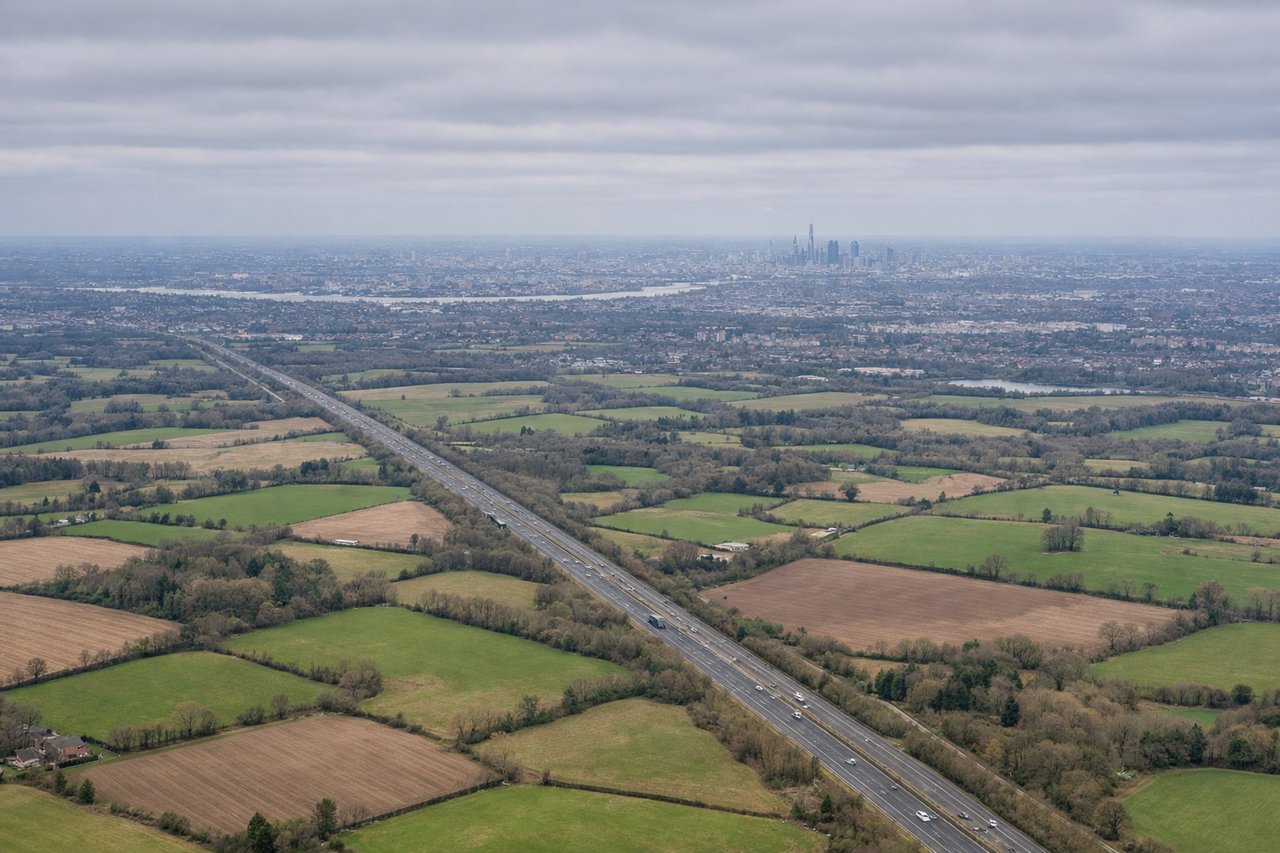
RIGHTArrivals into Gatwick from the continent typically track in from the east over Kent and Surrey before turning onto final approach for runway 26, putting the wooded ridgelines of the North Downs and glimpses of London's outer suburbs on the right side of the aircraft. The left side during this phase shows mostly featureless farmland with no major landmarks.
Landmarks on this routeAll landmarks →
Will your flight be in sunlight?
See exactly which side of the plane gets sun and shade at your departure time.
About This Route
Which side of the plane should I sit on flying from Kos (KGS) to Gatwick (LGW)?
Sit on the Right side of the plane for the best views on flights from Kos to London. While the Kos departure favors the left side, the right side offers the more consistently rewarding experience: Alps foothills and Adriatic coastline glimpses during cruise, followed by a scenic descent over the rolling North Downs into Gatwick, giving it the edge over the largely featureless Mediterranean-to-France cruise view on the left.
What can I see during takeoff from Kos in Kos?
During takeoff from Kos (KGS), sit on the Left side for the best views. Departing Kos on runway 32, the climb-out curves over the Aegean, giving left-side passengers a sweeping view of Kos town's harbor and the chain of nearby islands like Kalymnos and Nisyros before the turn onto course. The right side mostly shows open water toward the Turkish coast with less definition. Notable sights include: Kos town and harbor, Kalymnos island, Nisyros volcanic island, Aegean Sea.
What can I see when landing at Gatwick in London?
When landing at Gatwick (LGW), sit on the Right side for the best views. Arrivals into Gatwick from the continent typically track in from the east over Kent and Surrey before turning onto final approach for runway 26, putting the wooded ridgelines of the North Downs and glimpses of London's outer suburbs on the right side of the aircraft. The left side during this phase shows mostly featureless farmland with no major landmarks. Notable sights include: North Downs ridgeline, Surrey and Kent countryside, outer London suburbs, patchwork farmland near Gatwick.
How long is the flight from Kos to London?
The flight from Kos (KGS) to Gatwick (LGW) takes 3h 50m.
What does the Kos to London flight path pass over?
Adriatic Sea coastline, Apennine Mountains of central Italy, edges of the Alps near the Italian-French border, Rhône valley in southern France