Left side scores higher due to superior takeoff scenery from Karachi's coastal position and the Indus delta's distinctive geography, which outweighs the landing advantage of the right side. The full flight experience favors the left: dramatic departure over water and delta channels, followed by cruise over the Atlantic (neutral for both sides), then a respectable but less exceptional landing approach. Right side's landing advantage (Manhattan skyline) is offset by a dull takeoff over inland plains.
Flown KHI to JFK? Did we get it right?
Flight Path
Karachi to New York is 7,260 miles (11,684 km), a flight of about 15 hours 30 minutes.
Atlantic Ocean crossing (5+ hours of open water with minimal visual interest), Greenland's southern tip and Davis Strait (ice sheets and fjords visible on clear days, typically on left/north side during northerly routing), Labrador coast and Canadian Maritime provinces (rocky coastline, forests, lakes), Appalachian Mountains approaching northeastern North America, Hudson Valley and New York state geography during descent
Great circle distance and headings ›Phase by phase
Takeoff from KHI
LEFTLeft side (north/northwest) captures Karachi's urban sprawl, the Indus River delta, and the Arabian Sea coastline during the initial climb. Right side faces inland toward flat Sindh plains with minimal visual interest.
Landing at JFK
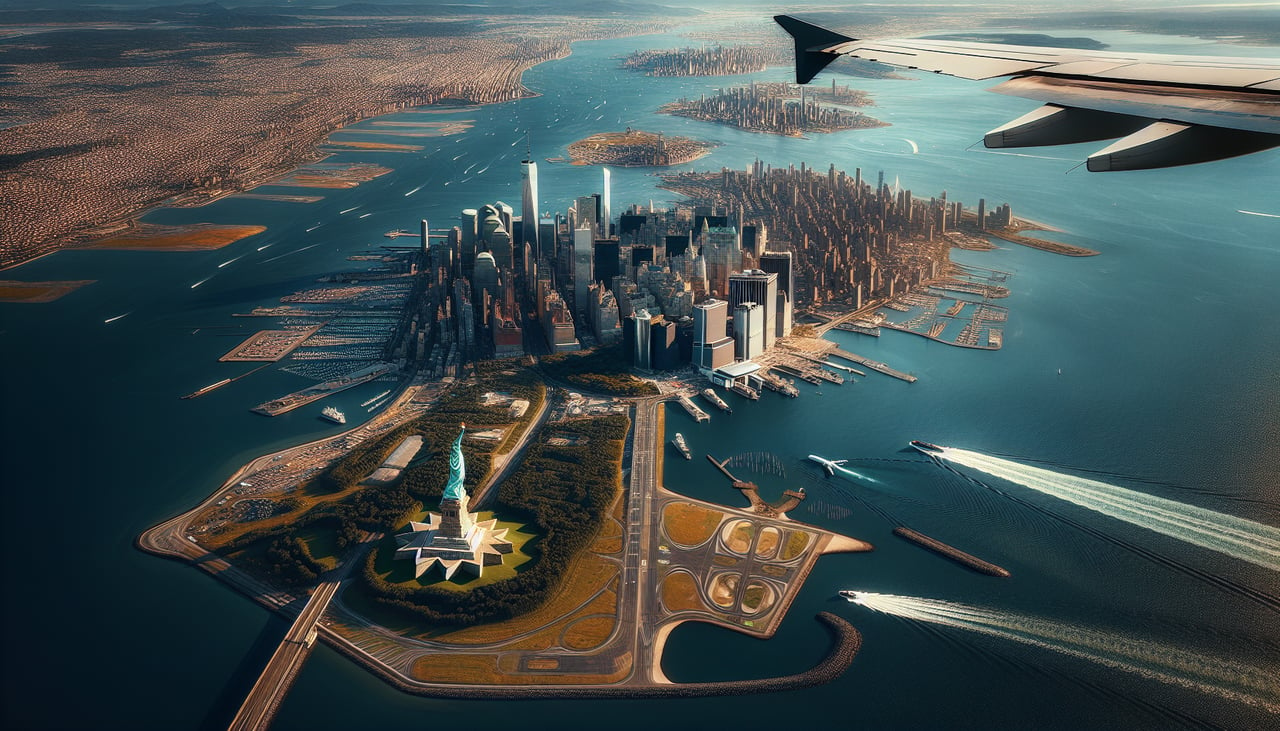
RIGHTRight side (south/southeast) offers the most dramatic final approach views: the Hudson River, Manhattan's iconic skyline, and the East River during descent into JFK. Left side faces New Jersey's industrial sprawl and Newark area with less visual distinction.
Will your flight be in sunlight?
Pick a date and time in the Sun Map to watch the sun move across your whole flight.
About This Route
Which side of the plane should I sit on flying from Jinnah International (KHI) to John F Kennedy International (JFK)?
Sit on the Left side of the plane for the best views on flights from Karachi to New York. Left side scores higher due to superior takeoff scenery from Karachi's coastal position and the Indus delta's distinctive geography, which outweighs the landing advantage of the right side. The full flight experience favors the left: dramatic departure over water and delta channels, followed by cruise over the Atlantic (neutral for both sides), then a respectable but less exceptional landing approach. Right side's landing advantage (Manhattan skyline) is offset by a dull takeoff over inland plains.
What can I see during takeoff from Jinnah International in Karachi?
During takeoff from Jinnah International (KHI), sit on the Left side for the best views. Left side (north/northwest) captures Karachi's urban sprawl, the Indus River delta, and the Arabian Sea coastline during the initial climb. Right side faces inland toward flat Sindh plains with minimal visual interest. Notable sights include: Karachi harbor and port facilities, Indus River delta with its distinctive braided channels, Arabian Sea coastline, Clifton and Defence residential districts.
What can I see when landing at John F Kennedy International in New York?
When landing at John F Kennedy International (JFK), sit on the Right side for the best views. Right side (south/southeast) offers the most dramatic final approach views: the Hudson River, Manhattan's iconic skyline, and the East River during descent into JFK. Left side faces New Jersey's industrial sprawl and Newark area with less visual distinction. Notable sights include: Manhattan skyline with Empire State Building and One World Trade Center, Hudson River, East River, Brooklyn and Queens urban landscape, Jamaica Bay wetlands.
How long is the flight from Karachi to New York?
The flight from Jinnah International (KHI) to John F Kennedy International (JFK) takes about 15 hours 30 minutes. The shortest flight path between them is 7,260 miles (11,684 km); winds and air traffic control usually add a few percent.
What does the Karachi to New York flight path pass over?
Atlantic Ocean crossing (5+ hours of open water with minimal visual interest), Greenland's southern tip and Davis Strait (ice sheets and fjords visible on clear days, typically on left/north side during northerly routing), Labrador coast and Canadian Maritime provinces (rocky coastline, forests, lakes), Appalachian Mountains approaching northeastern North America, Hudson Valley and New York state geography during descent