While the takeoff offers Orkney's dramatic island scenery, the landing descent provides more sustained and visually varied views of the Thames Valley and London's geography. The right side captures the most distinctive features of both the approach corridor and the final descent into one of Europe's busiest airports.
Flown KOI to LHR? Did we get it right?
Flight Path
Kirkwall to London is 526 miles (847 km), a flight of about 1 hour 45 minutes.
Scottish Lowlands and Central Belt (Edinburgh-Glasgow region), Lake District fells, Pennine moorlands, Midlands industrial landscape, Thames Valley approach
Great circle distance and headings ›Phase by phase
Takeoff from KOI
LEFTLeft side offers immediate views of the Orkney Islands' dramatic coastlines and the Pentland Firth strait. The aircraft climbs southwestward, so the left wing captures the jagged northern coastline of mainland Scotland and the scattered islands of Orkney as they recede beneath the climb.
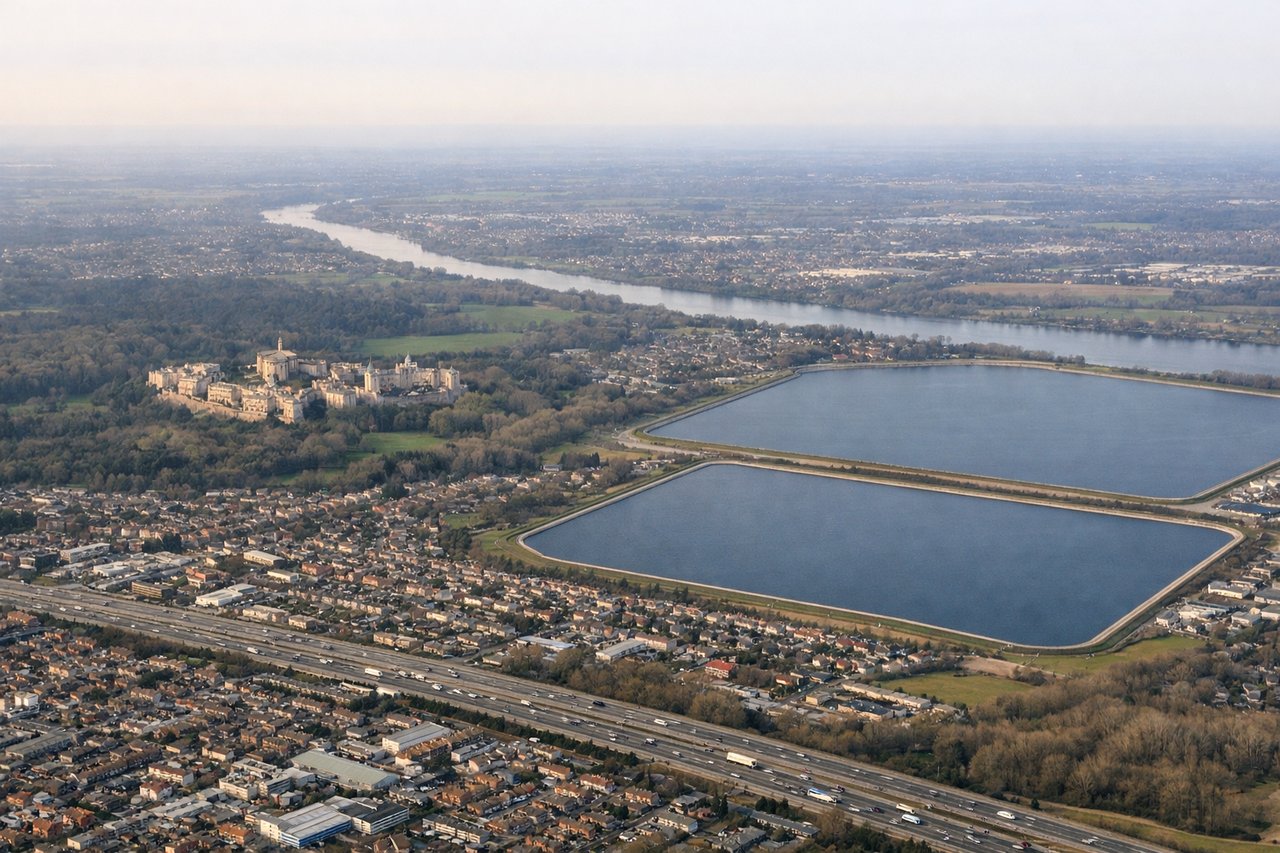
Landing at LHR
RIGHTRight side provides excellent views during the descent approach into Heathrow. The aircraft descends from the north, and the right wing captures the Thames Valley, London's urban sprawl, and the distinctive landmarks of Greater London including the Thames meanders and major city districts.
Will your flight be in sunlight?
Pick a date and time in the Sun Map to watch the sun move across your whole flight.
About This Route
Which side of the plane should I sit on flying from Kirkwall (KOI) to Heathrow (LHR)?
Sit on the Right side of the plane for the best views on flights from Kirkwall to London. While the takeoff offers Orkney's dramatic island scenery, the landing descent provides more sustained and visually varied views of the Thames Valley and London's geography. The right side captures the most distinctive features of both the approach corridor and the final descent into one of Europe's busiest airports.
What can I see during takeoff from Kirkwall in Kirkwall?
During takeoff from Kirkwall (KOI), sit on the Left side for the best views. Left side offers immediate views of the Orkney Islands' dramatic coastlines and the Pentland Firth strait. The aircraft climbs southwestward, so the left wing captures the jagged northern coastline of mainland Scotland and the scattered islands of Orkney as they recede beneath the climb. Notable sights include: Orkney Islands (Mainland, Hoy, Sanday), Pentland Firth, northern Scottish Highlands, Caithness coastline.
What can I see when landing at Heathrow in London?
When landing at Heathrow (LHR), sit on the Right side for the best views. Right side provides excellent views during the descent approach into Heathrow. The aircraft descends from the north, and the right wing captures the Thames Valley, London's urban sprawl, and the distinctive landmarks of Greater London including the Thames meanders and major city districts. Notable sights include: River Thames and its meanders, Greater London urban area, Windsor and the Home Counties, Chiltern Hills.
How long is the flight from Kirkwall to London?
The flight from Kirkwall (KOI) to Heathrow (LHR) takes about 1 hour 45 minutes. The shortest flight path between them is 526 miles (847 km); winds and air traffic control usually add a few percent.
What does the Kirkwall to London flight path pass over?
Scottish Lowlands and Central Belt (Edinburgh-Glasgow region), Lake District fells, Pennine moorlands, Midlands industrial landscape, Thames Valley approach