Kuala Lumpur to Amritsar is 2,658 miles (4,278 km), a flight of about 4 hours 15 minutes.
While takeoff on the right offers urban scenery, the landing approach on the left provides more dramatic and varied geography—the Punjab plains, irrigation networks, and Sutlej River valley are more visually distinctive than the hazy lowlands near Kuala Lumpur. Left side captures the more geographically interesting portion of the flight.
Flight Path
The flight path crosses the Bay of Bengal and enters Indian airspace over the eastern coast. Midway, you'll pass over the Andaman Sea and approach the Indian subcontinent. The Ganges Delta region (if visible during daylight) shows extensive river networks and agricultural plains. As the flight progresses northwest toward Punjab, the terrain transitions from coastal lowlands to the Indo-Gangetic Plain, with the Himalayan foothills becoming increasingly visible on the northern horizon as you approach Amritsar.
Great circle distance and headings ›Phase by phase
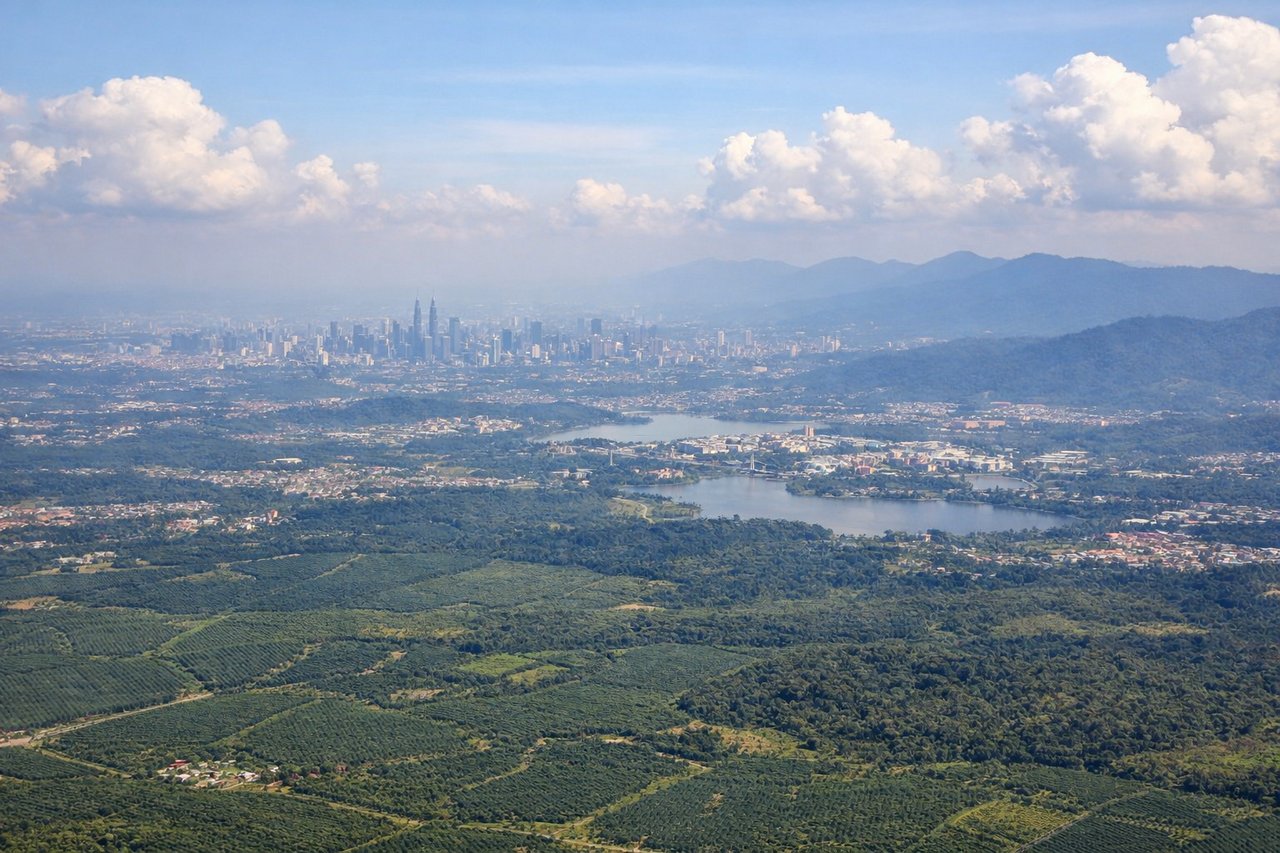
Takeoff from KUL
RIGHTRight side offers views of the Klang Valley and Kuala Lumpur's urban sprawl immediately after departure. The city's skyline and surrounding lowland plains are visible during the initial climb northwestward.
Landing at ATQ
LEFTLeft side provides views of the Punjab plains and the approach into Amritsar from the south. The flat agricultural landscape, irrigation channels, and the city itself become visible during descent, with the Sutlej River valley visible to the west.
Will your flight be in sunlight?
Pick a date and time in the Sun Map to watch the sun move across your whole flight.
About This Route
Which side of the plane should I sit on flying from Kuala Lumpur International (KUL) to Amritsar (ATQ)?
Sit on the Left side of the plane for the best views on flights from Kuala Lumpur to Amritsar. While takeoff on the right offers urban scenery, the landing approach on the left provides more dramatic and varied geography—the Punjab plains, irrigation networks, and Sutlej River valley are more visually distinctive than the hazy lowlands near Kuala Lumpur. Left side captures the more geographically interesting portion of the flight.
What can I see during takeoff from Kuala Lumpur International in Kuala Lumpur?
During takeoff from Kuala Lumpur International (KUL), sit on the Right side for the best views. Right side offers views of the Klang Valley and Kuala Lumpur's urban sprawl immediately after departure. The city's skyline and surrounding lowland plains are visible during the initial climb northwestward. Notable sights include: Kuala Lumpur city center and Petronas Twin Towers, Klang River valley, Selangor coastal plains, Strait of Malacca (distant, on horizon).
What can I see when landing at Amritsar in Amritsar?
When landing at Amritsar (ATQ), sit on the Left side for the best views. Left side provides views of the Punjab plains and the approach into Amritsar from the south. The flat agricultural landscape, irrigation channels, and the city itself become visible during descent, with the Sutlej River valley visible to the west. Notable sights include: Punjab agricultural plains with irrigation grid, Sutlej River valley, Amritsar city (including the Golden Temple area), Himalayan foothills (distant, northern horizon).
How long is the flight from Kuala Lumpur to Amritsar?
The flight from Kuala Lumpur International (KUL) to Amritsar (ATQ) takes about 4 hours 15 minutes. The shortest flight path between them is 2,658 miles (4,278 km); winds and air traffic control usually add a few percent.
What does the Kuala Lumpur to Amritsar flight path pass over?
The flight path crosses the Bay of Bengal and enters Indian airspace over the eastern coast. Midway, you'll pass over the Andaman Sea and approach the Indian subcontinent. The Ganges Delta region (if visible during daylight) shows extensive river networks and agricultural plains. As the flight progresses northwest toward Punjab, the terrain transitions from coastal lowlands to the Indo-Gangetic Plain, with the Himalayan foothills becoming increasingly visible on the northern horizon as you approach Amritsar.