Amritsar to Kuala Lumpur is 2,658 miles (4,278 km), a flight of about 4 hours 15 minutes.
While takeoff favors the right, the landing view from the left is significantly more rewarding, offering clear views of Kuala Lumpur's iconic skyline and urban geography. The takeoff view, though pleasant, is less distinctive than the landing approach.
Flight Path
The flight crosses the Bay of Bengal and the Andaman Sea. At cruise altitude (35,000 feet), the Andaman Islands appear as small dark specks on the water around the 2-hour mark. The Strait of Malacca becomes visible as the aircraft descends toward Malaysia, with the Malay Peninsula's coastline and the Thai-Malaysian border region visible. The flight path generally follows a southeast trajectory, passing over open water for most of the journey with minimal ground features visible at cruise altitude.
Great circle distance and headings ›Phase by phase
Takeoff from ATQ
RIGHTAmritsar typically departs eastbound (Runway 09/27 favors east). Right-side seats face the Punjab plains and the Sutlej River valley, which provides clear geographic definition during climb-out. Left side shows only flat agricultural terrain with less visual interest.
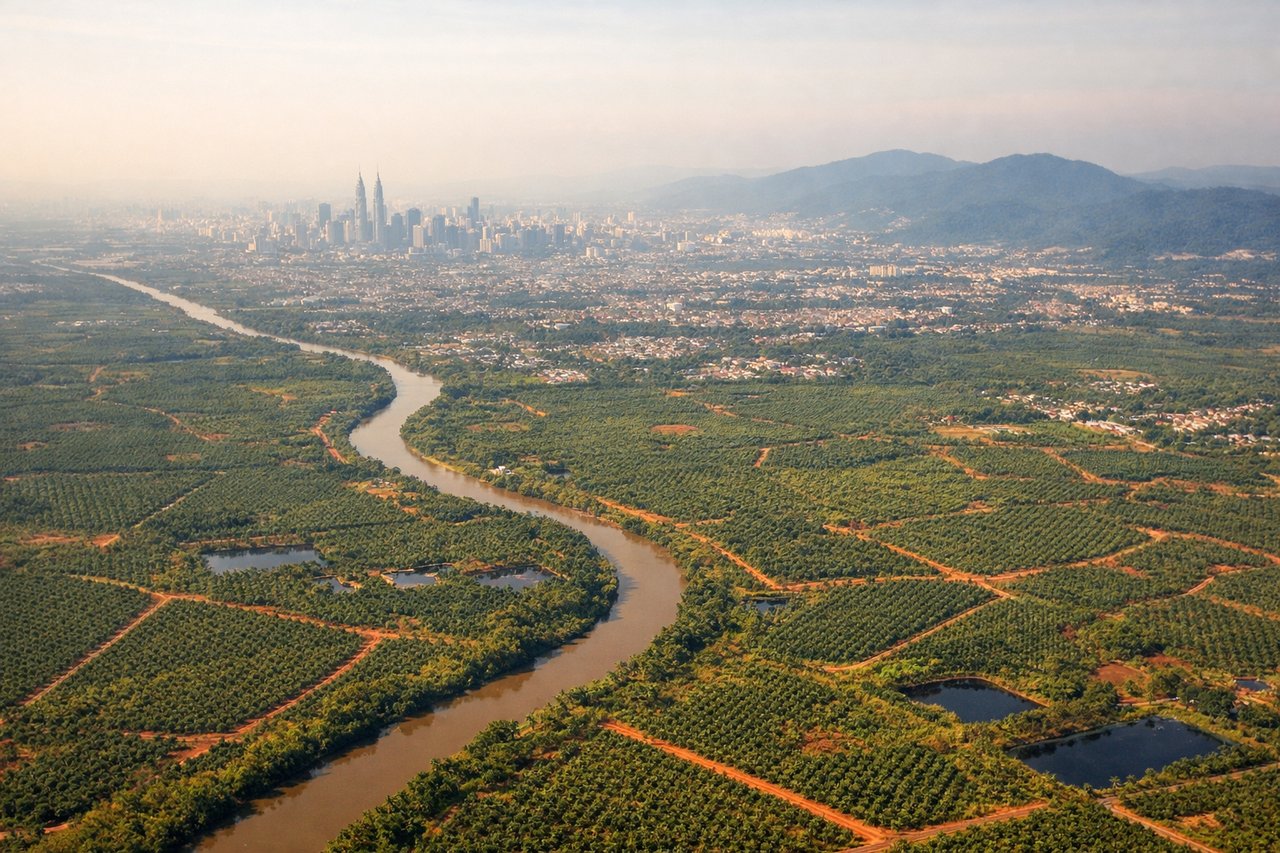
Landing at KUL
LEFTKuala Lumpur International typically lands westbound (Runway 32L/14R). Left-side seats during descent offer views of the Klang Valley's urban sprawl, the Petronas Twin Towers district, and the Selangor River delta. Right side faces industrial zones and less distinctive terrain.
Will your flight be in sunlight?
Pick a date and time in the Sun Map to watch the sun move across your whole flight.
About This Route
Which side of the plane should I sit on flying from Amritsar (ATQ) to Kuala Lumpur International (KUL)?
Sit on the Left side of the plane for the best views on flights from Amritsar to Kuala Lumpur. While takeoff favors the right, the landing view from the left is significantly more rewarding, offering clear views of Kuala Lumpur's iconic skyline and urban geography. The takeoff view, though pleasant, is less distinctive than the landing approach.
What can I see during takeoff from Amritsar in Amritsar?
During takeoff from Amritsar (ATQ), sit on the Right side for the best views. Amritsar typically departs eastbound (Runway 09/27 favors east). Right-side seats face the Punjab plains and the Sutlej River valley, which provides clear geographic definition during climb-out. Left side shows only flat agricultural terrain with less visual interest. Notable sights include: Sutlej River (visible as a meandering line through the plains), Punjab agricultural grid (geometric field patterns), Amritsar city sprawl (urban cluster receding behind), Himalayan foothills (distant northern horizon).
What can I see when landing at Kuala Lumpur International in Kuala Lumpur?
When landing at Kuala Lumpur International (KUL), sit on the Left side for the best views. Kuala Lumpur International typically lands westbound (Runway 32L/14R). Left-side seats during descent offer views of the Klang Valley's urban sprawl, the Petronas Twin Towers district, and the Selangor River delta. Right side faces industrial zones and less distinctive terrain. Notable sights include: Petronas Twin Towers and Kuala Lumpur city center (distinctive skyline), Klang River (winding through urban area), Selangor state agricultural and industrial zones, Strait of Malacca (visible on clearer days as a distant water body to the west).
How long is the flight from Amritsar to Kuala Lumpur?
The flight from Amritsar (ATQ) to Kuala Lumpur International (KUL) takes about 4 hours 15 minutes. The shortest flight path between them is 2,658 miles (4,278 km); winds and air traffic control usually add a few percent.
What does the Amritsar to Kuala Lumpur flight path pass over?
The flight crosses the Bay of Bengal and the Andaman Sea. At cruise altitude (35,000 feet), the Andaman Islands appear as small dark specks on the water around the 2-hour mark. The Strait of Malacca becomes visible as the aircraft descends toward Malaysia, with the Malay Peninsula's coastline and the Thai-Malaysian border region visible. The flight path generally follows a southeast trajectory, passing over open water for most of the journey with minimal ground features visible at cruise altitude.