The left side wins on both ends: a partial glimpse of Kuala Lumpur and the strait during departure, and a strong bay-and-skyline view of Manila on arrival, while the right side faces mostly featureless interior terrain on both legs.
Flight Path
The route crosses the South China Sea for the majority of the flight, passing near the Spratly Islands region and over open water with no significant landmarks visible until the Philippine coastline comes into view near Luzon.
Great circle distance and headings ›Phase by phase
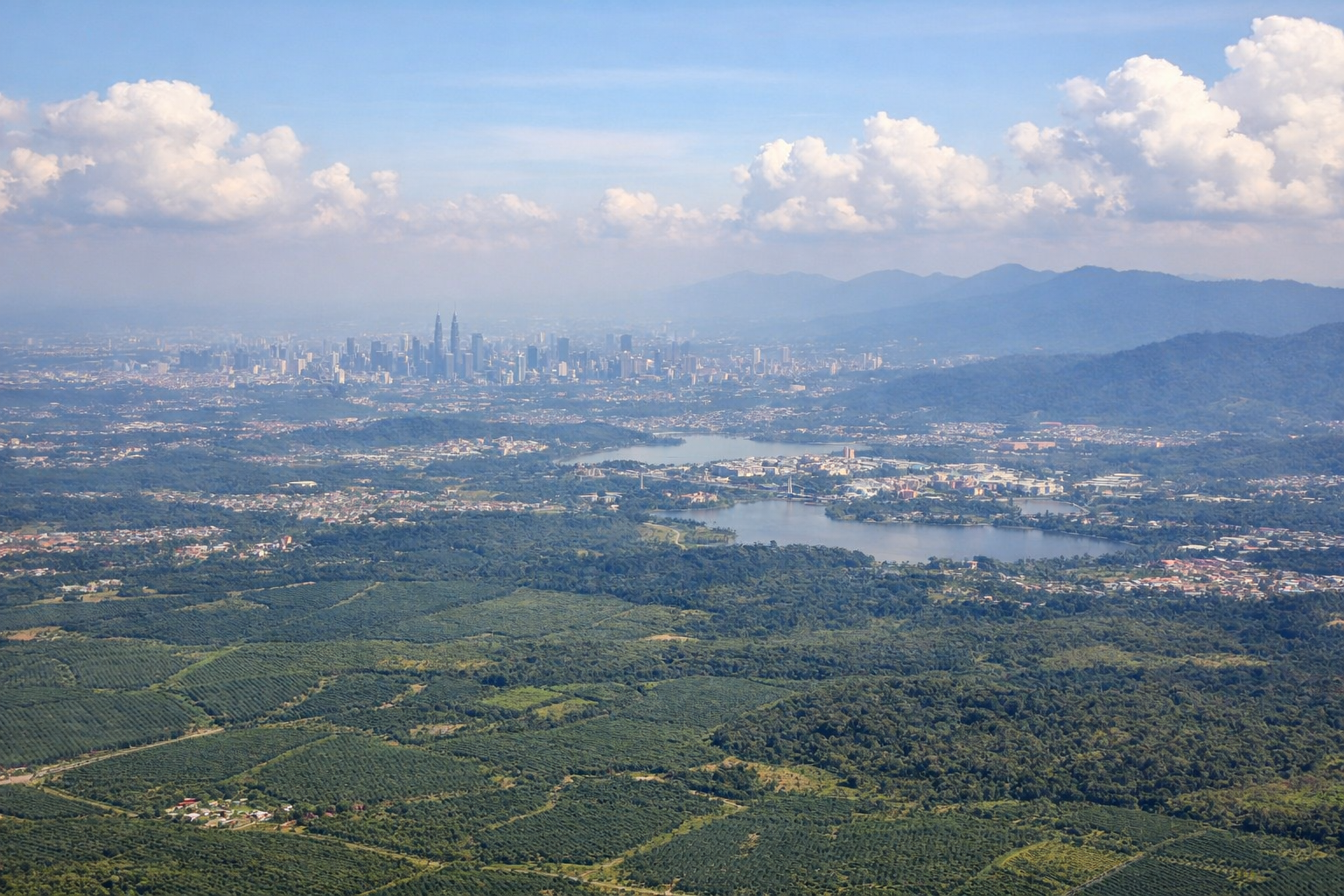
Takeoff from KUL
LEFTDeparting KUL to the north/northeast, the left side offers views back over the Klang Valley and the Strait of Malacca coastline before the route turns toward the South China Sea. The right side mostly shows flat palm oil plantations of interior Selangor and Pahang.
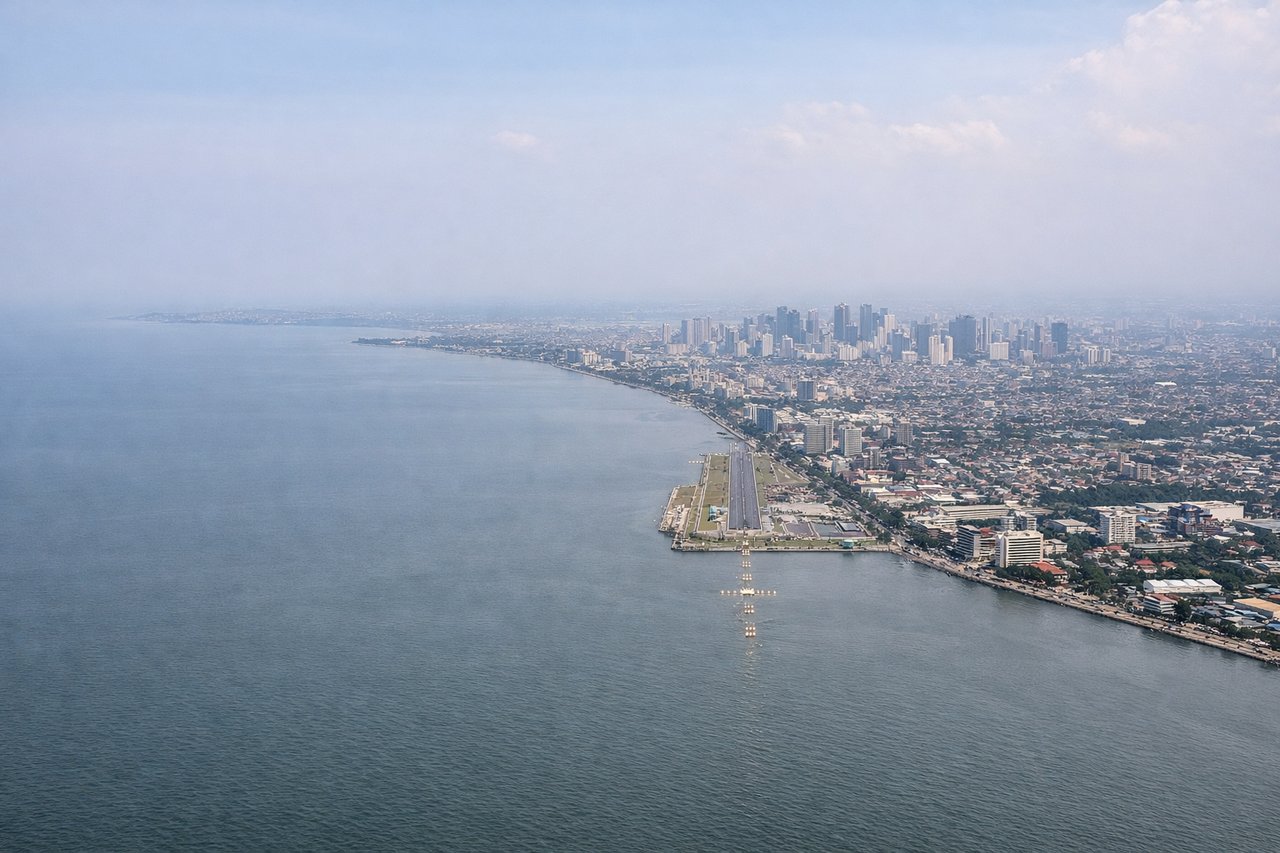
Landing at MNL
LEFTApproaching MNL from the south over the South China Sea, the left side offers a good view of the Bataan Peninsula and Manila Bay with Corregidor Island, then the sprawling Manila skyline along the bay during final approach. The right side during this approach mostly faces inland toward flatter Laguna terrain.
Will your flight be in sunlight?
See exactly which side of the plane gets sun and shade at your departure time.
About This Route
Which side of the plane should I sit on flying from Kuala Lumpur International (KUL) to Ninoy Aquino International (MNL)?
Sit on the Left side of the plane for the best views on flights from Kuala Lumpur to Manila. The left side wins on both ends: a partial glimpse of Kuala Lumpur and the strait during departure, and a strong bay-and-skyline view of Manila on arrival, while the right side faces mostly featureless interior terrain on both legs.
What can I see during takeoff from Kuala Lumpur International in Kuala Lumpur?
During takeoff from Kuala Lumpur International (KUL), sit on the Left side for the best views. Departing KUL to the north/northeast, the left side offers views back over the Klang Valley and the Strait of Malacca coastline before the route turns toward the South China Sea. The right side mostly shows flat palm oil plantations of interior Selangor and Pahang. Notable sights include: Kuala Lumpur skyline (Petronas Towers area in distance), Strait of Malacca coastline, Titiwangsa mountain range foothills.
What can I see when landing at Ninoy Aquino International in Manila?
When landing at Ninoy Aquino International (MNL), sit on the Left side for the best views. Approaching MNL from the south over the South China Sea, the left side offers a good view of the Bataan Peninsula and Manila Bay with Corregidor Island, then the sprawling Manila skyline along the bay during final approach. The right side during this approach mostly faces inland toward flatter Laguna terrain. Notable sights include: Manila Bay, Corregidor Island, Bataan Peninsula mountains, Manila skyline along the bay.
How long is the flight from Kuala Lumpur to Manila?
The flight from Kuala Lumpur International (KUL) to Ninoy Aquino International (MNL) takes 3h 15m.
What does the Kuala Lumpur to Manila flight path pass over?
The route crosses the South China Sea for the majority of the flight, passing near the Spratly Islands region and over open water with no significant landmarks visible until the Philippine coastline comes into view near Luzon.