While the left offers good takeoff views of the San Gabriel Mountains, the right side delivers superior landing scenery with the English Channel, Sussex coastline, and South Downs—more dramatic and visually distinctive features. The landing experience outweighs the takeoff advantage.
Flight Path
The flight path crosses the North American continent (Rocky Mountains visible on clear days over Colorado/Wyoming), then the Atlantic Ocean for approximately 5-6 hours. Notable midpoint features include the Canadian Rockies (if routed northerly), the Atlantic coastline of Newfoundland or Nova Scotia (depending on routing), and the Irish coastline or Celtic Sea before approaching the UK. The majority of the transatlantic portion offers only open ocean with occasional cloud formations.
Great circle distance and headings ›.jpg?width=600)


.jpg?width=600)
.jpeg?width=600)
Phase by phase

Takeoff from LAX
LEFTLeft-side seats offer views of the San Gabriel Mountains and the Los Angeles basin sprawl during the northeasterly climb-out. You'll see the urban grid of LA fade into foothills and mountain ridges as altitude increases.
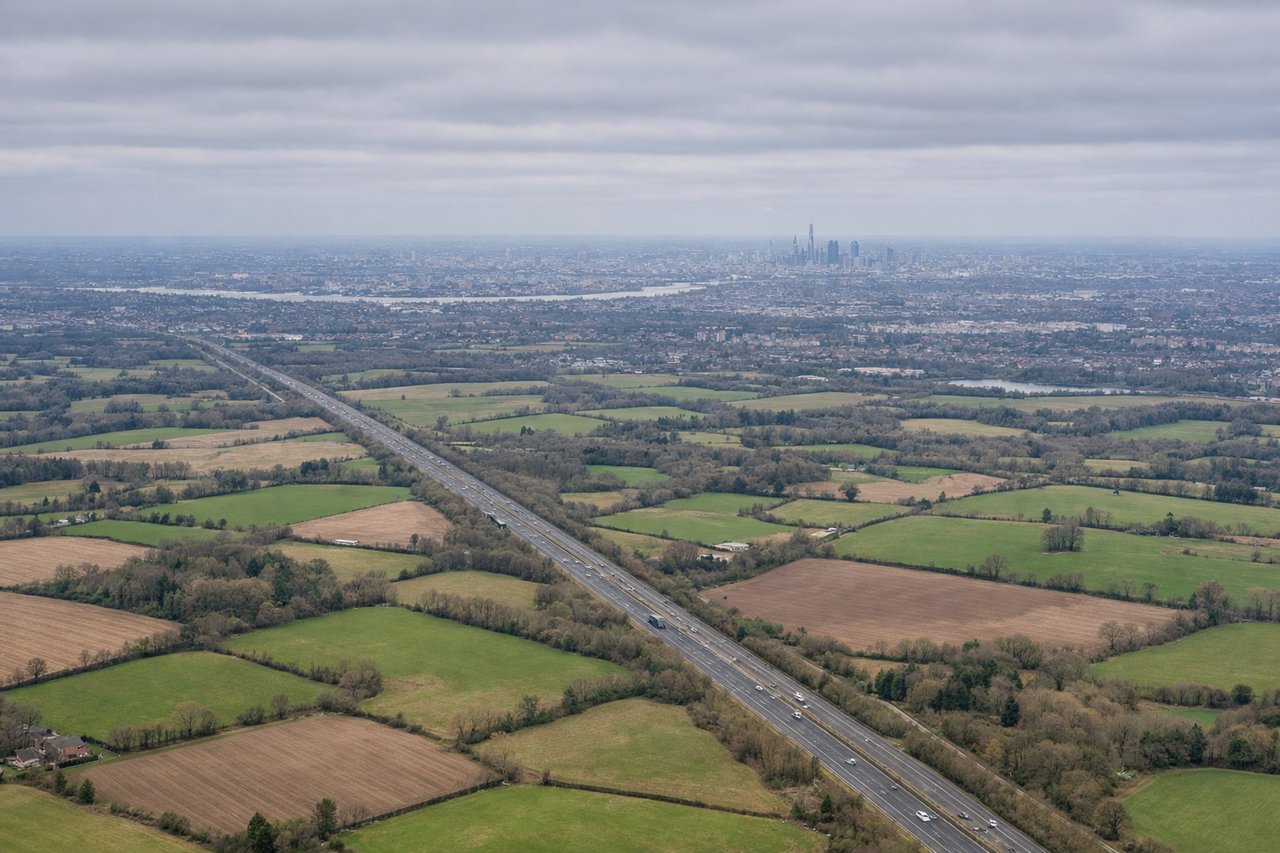
Landing at LGW
RIGHTRight-side seats provide views of the English Channel, the Sussex coastline, and the South Downs during the descent into Gatwick. The approach typically comes from the south, so right-side passengers see the dramatic chalk cliffs and coastal features.
Landmarks on this routeAll landmarks →
Will your flight be in sunlight?
See exactly which side of the plane gets sun and shade at your departure time.
About This Route
Which side of the plane should I sit on flying from Los Angeles International (LAX) to Gatwick (LGW)?
Sit on the Right side of the plane for the best views on flights from Los Angeles to London. While the left offers good takeoff views of the San Gabriel Mountains, the right side delivers superior landing scenery with the English Channel, Sussex coastline, and South Downs—more dramatic and visually distinctive features. The landing experience outweighs the takeoff advantage.
What can I see during takeoff from Los Angeles International in Los Angeles?
During takeoff from Los Angeles International (LAX), sit on the Left side for the best views. Left-side seats offer views of the San Gabriel Mountains and the Los Angeles basin sprawl during the northeasterly climb-out. You'll see the urban grid of LA fade into foothills and mountain ridges as altitude increases. Notable sights include: San Gabriel Mountains, Los Angeles urban sprawl, Pacific Ocean (western horizon), San Fernando Valley.
What can I see when landing at Gatwick in London?
When landing at Gatwick (LGW), sit on the Right side for the best views. Right-side seats provide views of the English Channel, the Sussex coastline, and the South Downs during the descent into Gatwick. The approach typically comes from the south, so right-side passengers see the dramatic chalk cliffs and coastal features. Notable sights include: English Channel, Sussex coastline, South Downs, Gatwick airport and surrounding Surrey countryside.
How long is the flight from Los Angeles to London?
The flight from Los Angeles International (LAX) to Gatwick (LGW) takes Approximately 10 hours 15 minutes to 10 hours 45 minutes (depending on winds and routing).
What does the Los Angeles to London flight path pass over?
The flight path crosses the North American continent (Rocky Mountains visible on clear days over Colorado/Wyoming), then the Atlantic Ocean for approximately 5-6 hours. Notable midpoint features include the Canadian Rockies (if routed northerly), the Atlantic coastline of Newfoundland or Nova Scotia (depending on routing), and the Irish coastline or Celtic Sea before approaching the UK. The majority of the transatlantic portion offers only open ocean with occasional cloud formations.