The right side wins on balance because the LAX coastal departure with Catalina Island and the Palos Verdes coastline is a highly distinctive, iconic scene, and the same side continues to offer glimpses of the Sonoran Desert and U.S.-Mexico border terrain during cruise, giving it more sustained visual interest across the full flight than the left side's flatter cruise segment.
Flight Path
Sonoran Desert and Phoenix basin in Arizona, the Rio Grande valley near the Texas border, Texas Hill Country, and the Gulf of Mexico crossing before landfall near Tampa Bay
Great circle distance and headings ›.jpg?width=600)
.jpg?width=600)

Phase by phase
Takeoff from LAX
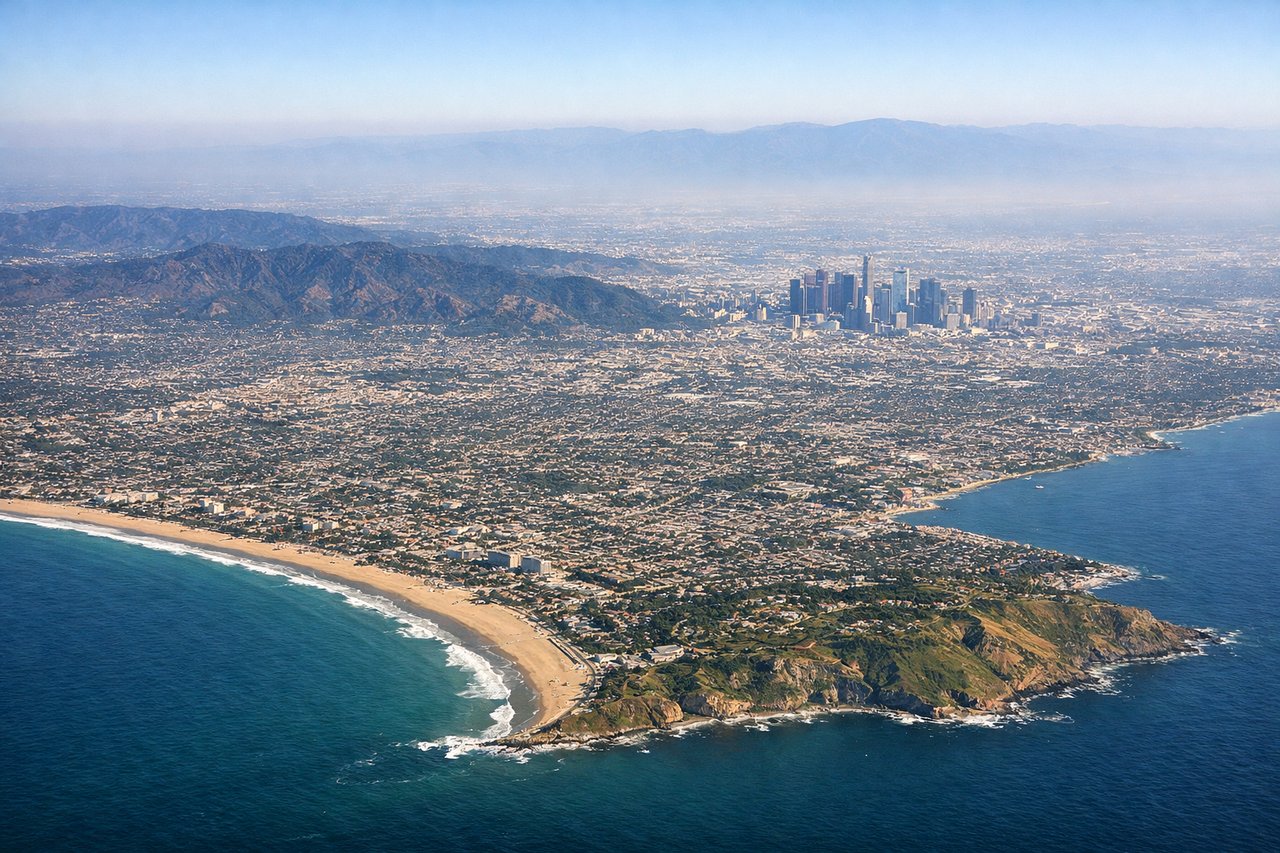
RIGHTLAX's standard west-flow departure sends eastbound flights out over the Pacific before banking south and then east, putting the Palos Verdes Peninsula, Catalina Island, and the Long Beach/San Pedro harbor directly on the right side of the aircraft during the turn. This is the classic scenic LAX coastal departure that most eastbound flights get.
Landing at TPA
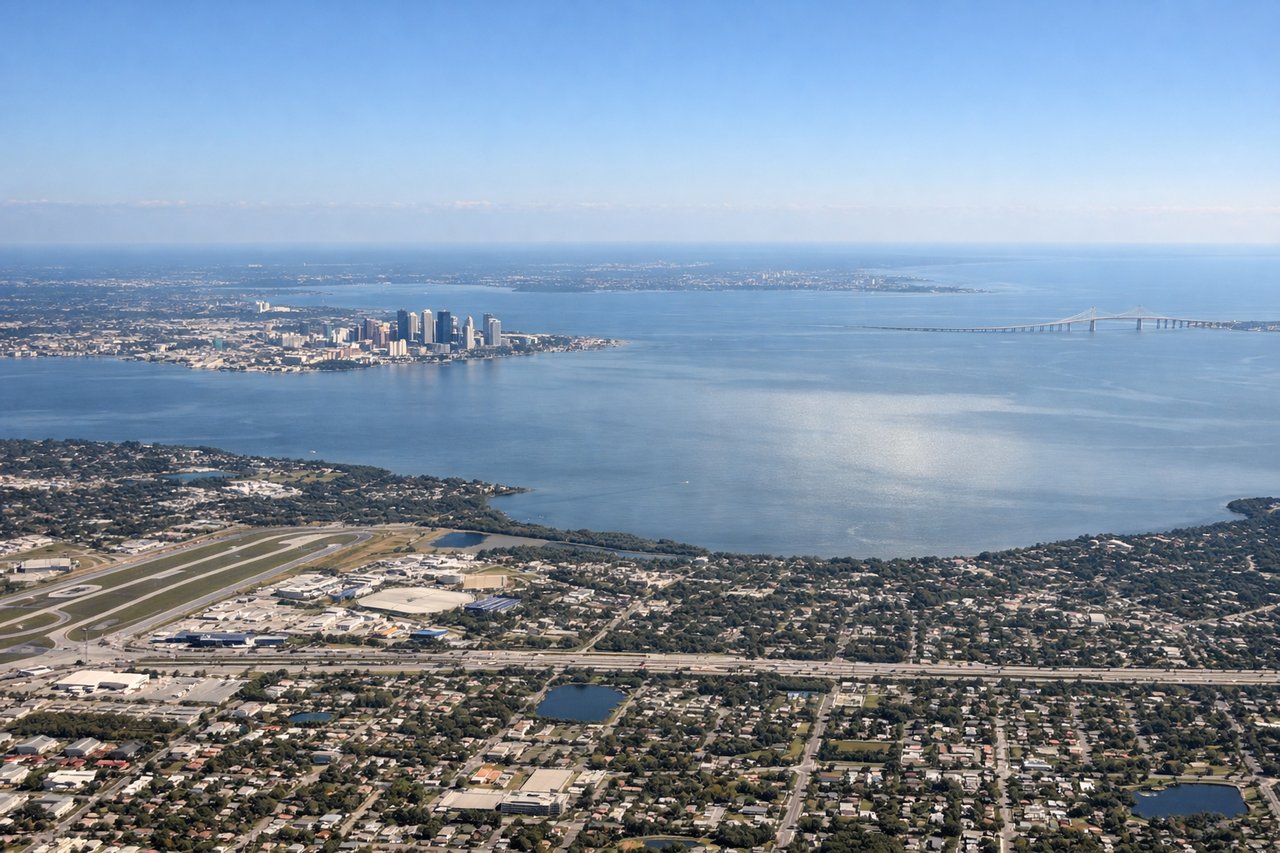
LEFTArriving from the Gulf of Mexico, TPA approaches commonly align over Tampa Bay before turning onto final for the north-south runways, putting the bay, the Sunshine Skyway Bridge, and the St. Petersburg skyline on the left side of the aircraft. This gives a distinctive water-and-bridge view rarely matched by the flatter inland approach on the opposite side.
Landmarks on this routeAll landmarks →
Will your flight be in sunlight?
See exactly which side of the plane gets sun and shade at your departure time.
About This Route
Which side of the plane should I sit on flying from Los Angeles International (LAX) to Tampa International (TPA)?
Sit on the Right side of the plane for the best views on flights from Los Angeles to Tampa. The right side wins on balance because the LAX coastal departure with Catalina Island and the Palos Verdes coastline is a highly distinctive, iconic scene, and the same side continues to offer glimpses of the Sonoran Desert and U.S.-Mexico border terrain during cruise, giving it more sustained visual interest across the full flight than the left side's flatter cruise segment.
What can I see during takeoff from Los Angeles International in Los Angeles?
During takeoff from Los Angeles International (LAX), sit on the Right side for the best views. LAX's standard west-flow departure sends eastbound flights out over the Pacific before banking south and then east, putting the Palos Verdes Peninsula, Catalina Island, and the Long Beach/San Pedro harbor directly on the right side of the aircraft during the turn. This is the classic scenic LAX coastal departure that most eastbound flights get. Notable sights include: Palos Verdes Peninsula, Catalina Island, Long Beach/San Pedro Harbor, Orange County coastline.
What can I see when landing at Tampa International in Tampa?
When landing at Tampa International (TPA), sit on the Left side for the best views. Arriving from the Gulf of Mexico, TPA approaches commonly align over Tampa Bay before turning onto final for the north-south runways, putting the bay, the Sunshine Skyway Bridge, and the St. Petersburg skyline on the left side of the aircraft. This gives a distinctive water-and-bridge view rarely matched by the flatter inland approach on the opposite side. Notable sights include: Tampa Bay, Sunshine Skyway Bridge, St. Petersburg skyline, MacDill Air Force Base peninsula.
How long is the flight from Los Angeles to Tampa?
The flight from Los Angeles International (LAX) to Tampa International (TPA) takes 4h 45m.
What does the Los Angeles to Tampa flight path pass over?
Sonoran Desert and Phoenix basin in Arizona, the Rio Grande valley near the Texas border, Texas Hill Country, and the Gulf of Mexico crossing before landfall near Tampa Bay