The right side scores higher due to the exceptional landing approach into Kuala Lumpur, which provides dramatic urban skyline views (Petronas Towers), visible river systems, and the contrast between industrial/agricultural zones and modern city development. While the left side (Paris departure) offers some Seine valley interest, it remains relatively flat and suburban. The KUL approach's density of recognizable landmarks and visual variety outweighs the LBG departure.
Flown LBG to KUL? Did we get it right?
Flight Path
Paris to Kuala Lumpur is 6,494 miles (10,451 km), a flight of about 12 hours 15 minutes.
Eastern Mediterranean coastline (Greece, Cyprus, Syria-Lebanon coast), Taurus Mountains (southern Turkey), Mesopotamian plains (Iraq-Syria border region), Persian Gulf, Zagros Mountains (Iran-Iraq border), Arabian Sea, Arabian Peninsula (Oman coast), Indian Ocean crossing, Andaman Sea, Thai-Malaysian peninsula coastline, Strait of Malacca approaches
Great circle distance and headings ›


Phase by phase
Takeoff from LBG
LEFTLe Bourget departure offers views of northern Paris suburbs and the Seine valley. Left side captures the urban sprawl of the Île-de-France region during climb-out, with some relief from the gentle Seine meanders.
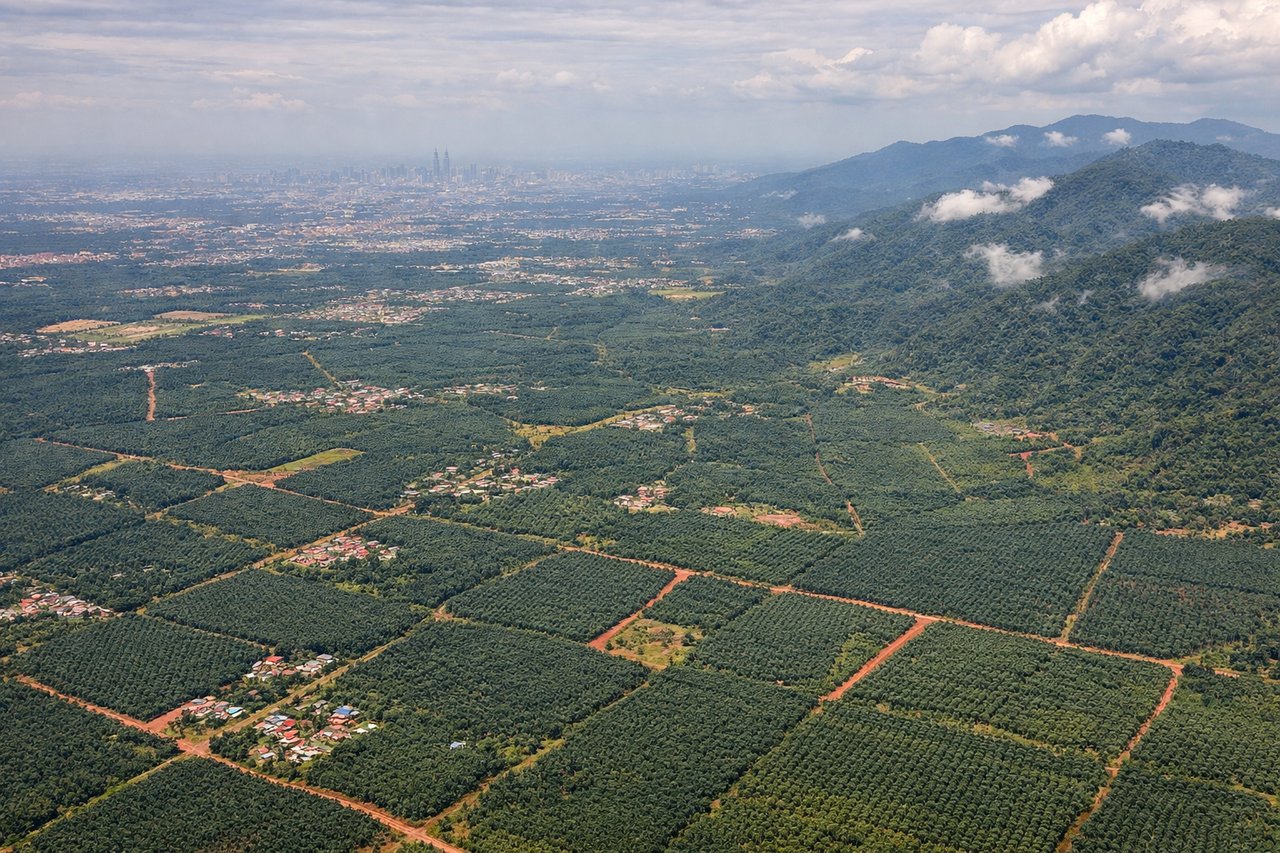
Landing at KUL
RIGHTKuala Lumpur International approach from the northeast provides dramatic views of the Klang Valley, Petronas Twin Towers skyline, and the transition from Selangor's palm oil plantations and industrial zones to the urban core. Right side captures the city's modern skyline and the convergence of the Klang and Gombak rivers.
Will your flight be in sunlight?
Pick a date and time in the Sun Map to watch the sun move across your whole flight.
About This Route
Which side of the plane should I sit on flying from Le Bourget (LBG) to Kuala Lumpur International (KUL)?
Sit on the Right side of the plane for the best views on flights from Paris to Kuala Lumpur. The right side scores higher due to the exceptional landing approach into Kuala Lumpur, which provides dramatic urban skyline views (Petronas Towers), visible river systems, and the contrast between industrial/agricultural zones and modern city development. While the left side (Paris departure) offers some Seine valley interest, it remains relatively flat and suburban. The KUL approach's density of recognizable landmarks and visual variety outweighs the LBG departure.
What can I see during takeoff from Le Bourget in Paris?
During takeoff from Le Bourget (LBG), sit on the Left side for the best views. Le Bourget departure offers views of northern Paris suburbs and the Seine valley. Left side captures the urban sprawl of the Île-de-France region during climb-out, with some relief from the gentle Seine meanders. Notable sights include: Seine River valley, Paris northern suburbs, Île-de-France plains, gradual transition to Champagne region.
What can I see when landing at Kuala Lumpur International in Kuala Lumpur?
When landing at Kuala Lumpur International (KUL), sit on the Right side for the best views. Kuala Lumpur International approach from the northeast provides dramatic views of the Klang Valley, Petronas Twin Towers skyline, and the transition from Selangor's palm oil plantations and industrial zones to the urban core. Right side captures the city's modern skyline and the convergence of the Klang and Gombak rivers. Notable sights include: Petronas Twin Towers and Kuala Lumpur skyline, Klang Valley urban sprawl, Selangor palm oil plantations, Klang River confluence.
How long is the flight from Paris to Kuala Lumpur?
The flight from Le Bourget (LBG) to Kuala Lumpur International (KUL) takes about 12 hours 15 minutes. The shortest flight path between them is 6,494 miles (10,451 km); winds and air traffic control usually add a few percent.
What does the Paris to Kuala Lumpur flight path pass over?
Eastern Mediterranean coastline (Greece, Cyprus, Syria-Lebanon coast), Taurus Mountains (southern Turkey), Mesopotamian plains (Iraq-Syria border region), Persian Gulf, Zagros Mountains (Iran-Iraq border), Arabian Sea, Arabian Peninsula (Oman coast), Indian Ocean crossing, Andaman Sea, Thai-Malaysian peninsula coastline, Strait of Malacca approaches