Right-side seats capture the dramatic Thames estuary departure and offer consistent views across the North Atlantic, Bay of Biscay, and the African coast during the long southern transit. The landing view on the left is geographically significant but brief; the takeoff and mid-flight routing favor the right side for sustained visual interest.
Flight Path
Over the Atlantic, you'll pass south of the Azores (if routed that way). Crossing Africa, the Sahara Desert dominates—vast sand seas and sparse settlements visible at cruise altitude. The Indian Ocean crossing offers little but open water. Approaching New Zealand, the Southern Ocean's rough seas and the first sighting of New Zealand's South Island mountains (Southern Alps) mark the final descent phase. Right-side seats capture more of the African Sahara and Indian Ocean; left-side seats may catch glimpses of Madagascar if the routing passes east of it.
Great circle distance and headings ›.jpeg?width=600)
.JPG?width=600)
Phase by phase
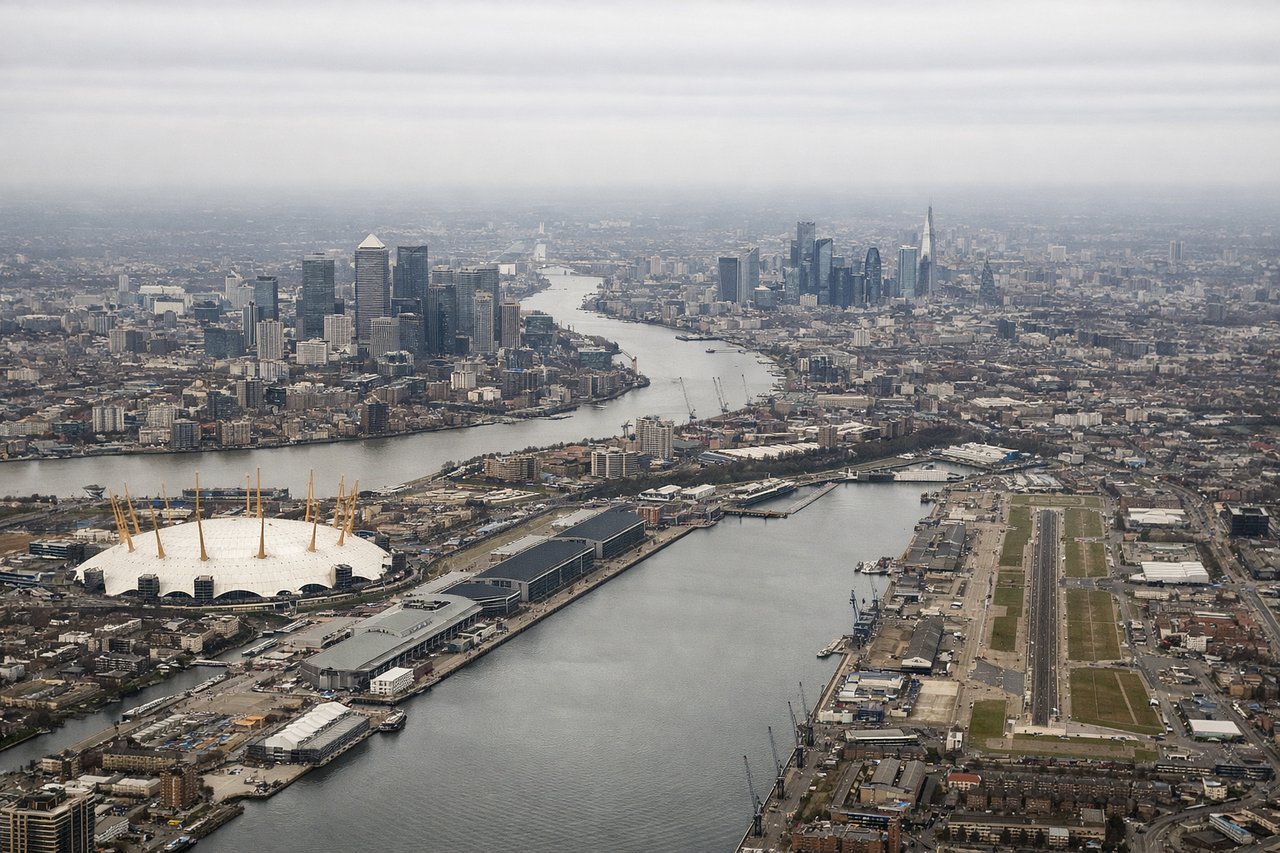
Takeoff from LCY
RIGHTLCY typically departs eastbound (runway 09/27, favoring 27 for eastbound traffic). Right-side seats face north across the Thames estuary and toward Essex, offering views of the river's wide mouth, the North Sea approaches, and the Kent/Essex coastline as you climb.
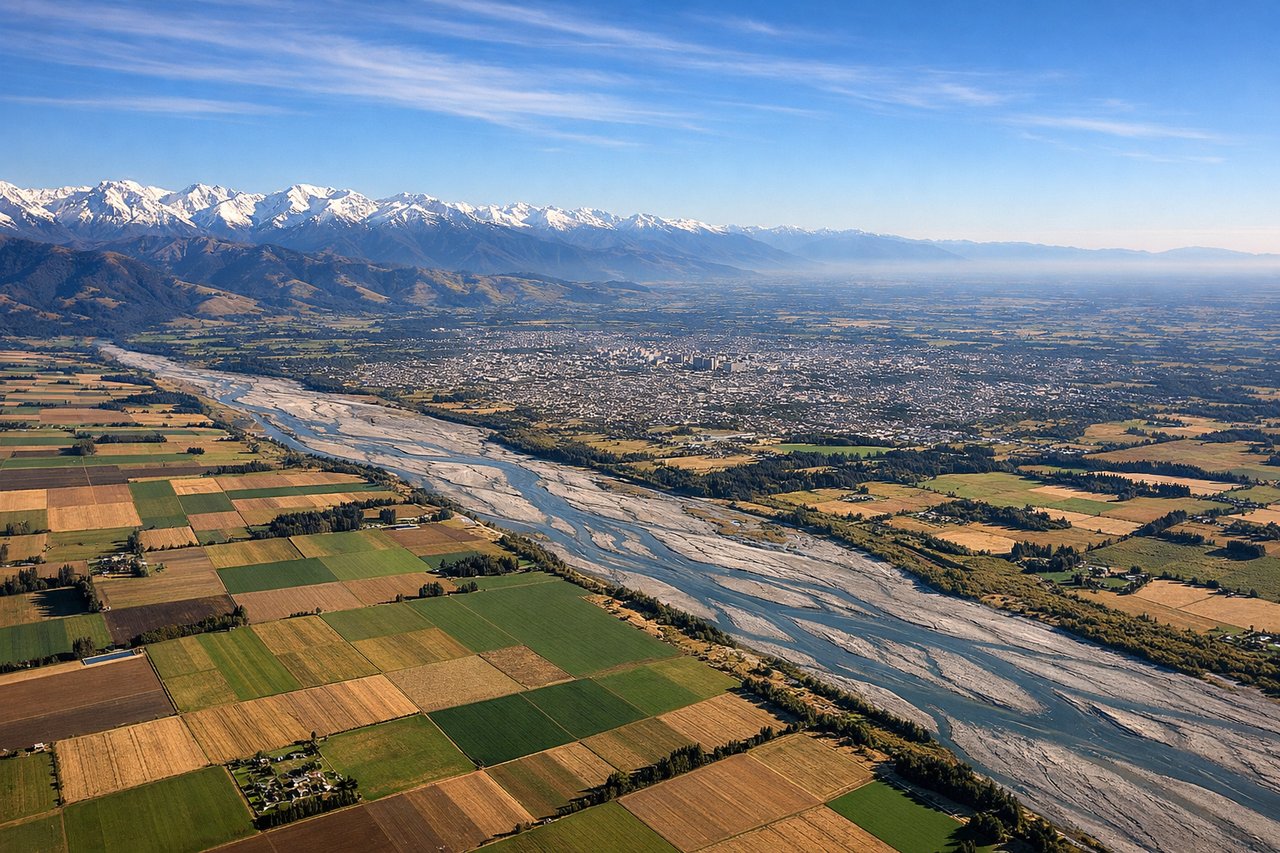
Landing at CHC
LEFTChristchurch typically lands on runway 02/20, with westbound approaches using runway 02. Left-side seats during descent face south and southwest, offering views of the Canterbury Plains, the Southern Alps on the distant horizon, and the Rakaia River valley as you approach from the northwest.
Landmarks on this routeAll landmarks →
Will your flight be in sunlight?
See exactly which side of the plane gets sun and shade at your departure time.
About This Route
Which side of the plane should I sit on flying from City (LCY) to Christchurch International (CHC)?
Sit on the Right side of the plane for the best views on flights from London to Christchurch. Right-side seats capture the dramatic Thames estuary departure and offer consistent views across the North Atlantic, Bay of Biscay, and the African coast during the long southern transit. The landing view on the left is geographically significant but brief; the takeoff and mid-flight routing favor the right side for sustained visual interest.
What can I see during takeoff from City in London?
During takeoff from City (LCY), sit on the Right side for the best views. LCY typically departs eastbound (runway 09/27, favoring 27 for eastbound traffic). Right-side seats face north across the Thames estuary and toward Essex, offering views of the river's wide mouth, the North Sea approaches, and the Kent/Essex coastline as you climb. Notable sights include: River Thames estuary, North Sea horizon, Essex marshlands and creeks, Canvey Island.
What can I see when landing at Christchurch International in Christchurch?
When landing at Christchurch International (CHC), sit on the Left side for the best views. Christchurch typically lands on runway 02/20, with westbound approaches using runway 02. Left-side seats during descent face south and southwest, offering views of the Canterbury Plains, the Southern Alps on the distant horizon, and the Rakaia River valley as you approach from the northwest. Notable sights include: Canterbury Plains (flat agricultural landscape), Southern Alps (distant peaks), Rakaia River valley, Banks Peninsula (if visible on final approach).
How long is the flight from London to Christchurch?
The flight from City (LCY) to Christchurch International (CHC) takes Approximately 24 hours (including refueling stop, typically in the Middle East or Africa).
What does the London to Christchurch flight path pass over?
Over the Atlantic, you'll pass south of the Azores (if routed that way). Crossing Africa, the Sahara Desert dominates—vast sand seas and sparse settlements visible at cruise altitude. The Indian Ocean crossing offers little but open water. Approaching New Zealand, the Southern Ocean's rough seas and the first sighting of New Zealand's South Island mountains (Southern Alps) mark the final descent phase. Right-side seats capture more of the African Sahara and Indian Ocean; left-side seats may catch glimpses of Madagascar if the routing passes east of it.