Right-side seats offer the most compelling scenery on both legs: the Thames estuary and North Sea during departure, and the Øresund Strait and Swedish coast during approach. Left seats see mainly flat agricultural land on the outbound leg.
Flown LCY to CPH? Did we get it right?
Flight Path
London to Copenhagen is 589 miles (948 km), a flight of about 1 hour 20 minutes.
The flight crosses the North Sea at roughly 15,000–25,000 feet. Notable features include the Belgian and Dutch coasts (Flanders and Zeeland) visible to the left during the crossing, and the flat North European Plain dominating the view. The Frisian Islands may be visible off the Dutch coast depending on exact routing. No significant mountains are visible on this route; the landscape is predominantly low-lying and maritime.
Great circle distance and headings ›Phase by phase
Takeoff from LCY
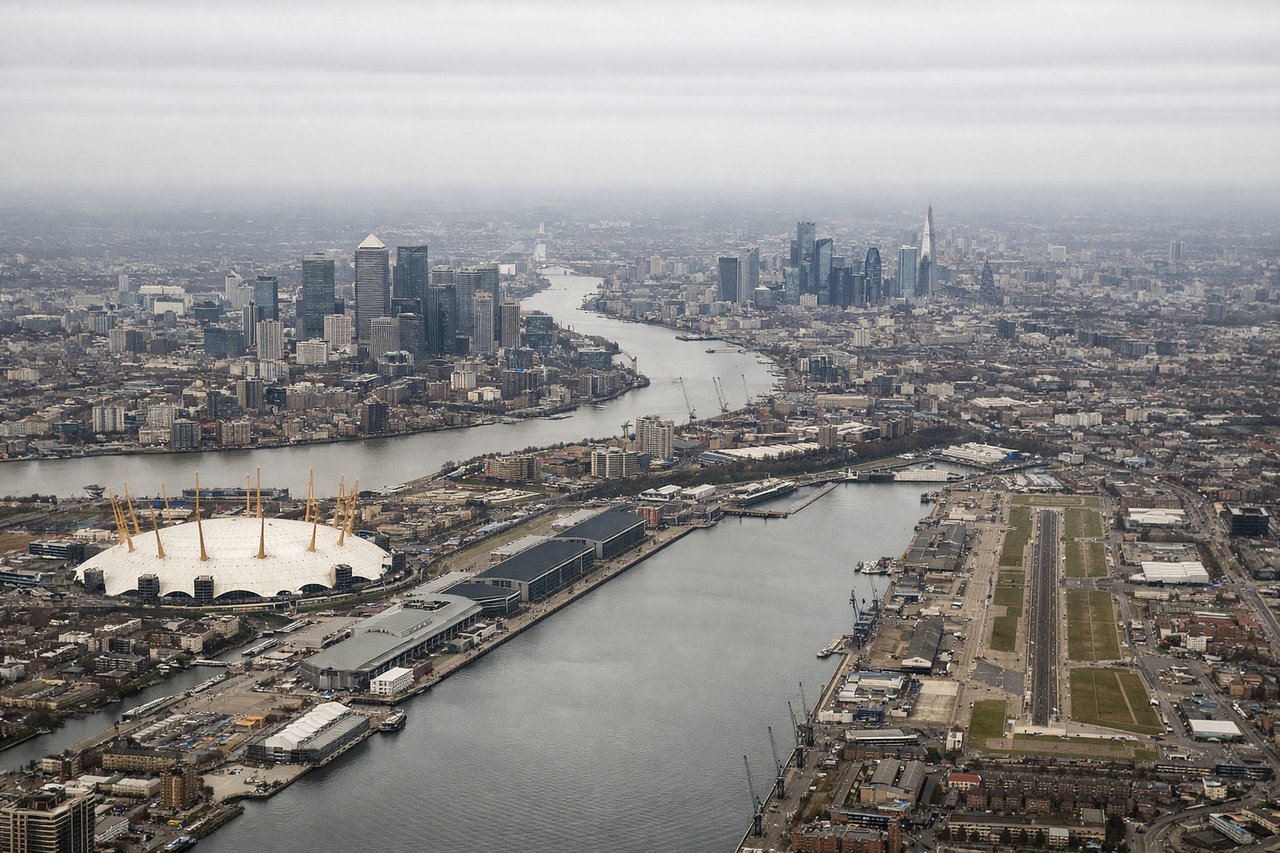
RIGHTRight-side seats offer views of the Thames estuary and the North Sea coast as the aircraft climbs northeast from City Airport. You'll see the river's distinctive meanders and the Kent coastline receding below.
Landing at CPH
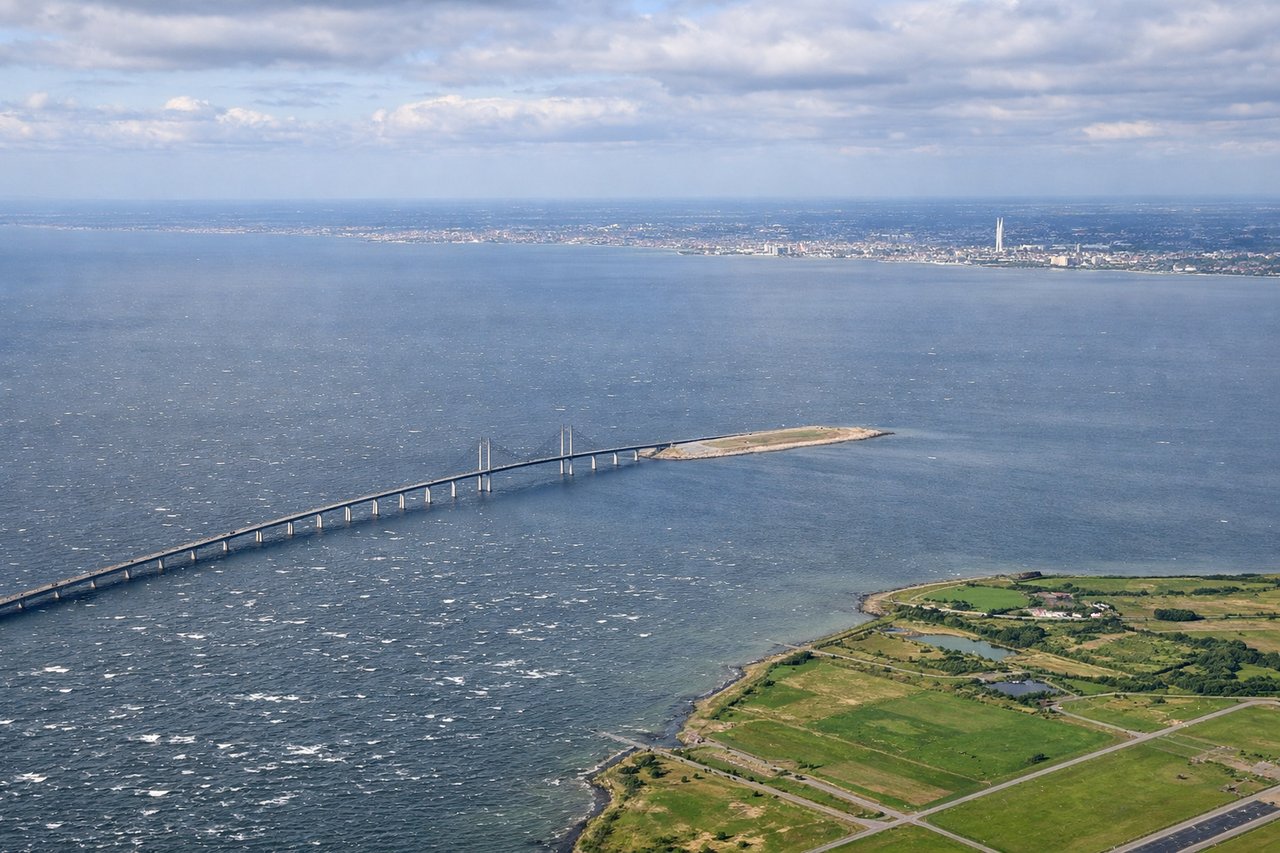
LEFTLeft-side seats provide excellent views during descent into Copenhagen. You'll see the Danish coastline, the Øresund Strait separating Denmark from Sweden, and the flat agricultural landscape of Zealand as you approach from the southwest.
Will your flight be in sunlight?
Pick a date and time in the Sun Map to watch the sun move across your whole flight.
About This Route
Which side of the plane should I sit on flying from City (LCY) to Kastrup (CPH)?
Sit on the Right side of the plane for the best views on flights from London to Copenhagen. Right-side seats offer the most compelling scenery on both legs: the Thames estuary and North Sea during departure, and the Øresund Strait and Swedish coast during approach. Left seats see mainly flat agricultural land on the outbound leg.
What can I see during takeoff from City in London?
During takeoff from City (LCY), sit on the Right side for the best views. Right-side seats offer views of the Thames estuary and the North Sea coast as the aircraft climbs northeast from City Airport. You'll see the river's distinctive meanders and the Kent coastline receding below. Notable sights include: River Thames estuary, Kent coastline, North Sea, Greater London urban sprawl.
What can I see when landing at Kastrup in Copenhagen?
When landing at Kastrup (CPH), sit on the Left side for the best views. Left-side seats provide excellent views during descent into Copenhagen. You'll see the Danish coastline, the Øresund Strait separating Denmark from Sweden, and the flat agricultural landscape of Zealand as you approach from the southwest. Notable sights include: Øresund Strait, Swedish coast (Scania), Zealand agricultural plains, Øresund Bridge.
How long is the flight from London to Copenhagen?
The flight from City (LCY) to Kastrup (CPH) takes about 1 hour 20 minutes. The shortest flight path between them is 589 miles (948 km); winds and air traffic control usually add a few percent.
What does the London to Copenhagen flight path pass over?
The flight crosses the North Sea at roughly 15,000–25,000 feet. Notable features include the Belgian and Dutch coasts (Flanders and Zeeland) visible to the left during the crossing, and the flat North European Plain dominating the view. The Frisian Islands may be visible off the Dutch coast depending on exact routing. No significant mountains are visible on this route; the landscape is predominantly low-lying and maritime.