While takeoff offers Thames estuary views, the landing approach into the Cayman Islands provides far more dramatic and visually distinctive scenery—the turquoise Caribbean waters and coral reef systems are among the most striking aerial views on any transatlantic route. Left-side seats capture this highlight.
Flown LCY to GCM? Did we get it right?
Flight Path
London to Georgetown is 4,818 miles (7,755 km), a flight of about 8 hours 45 minutes.
The flight path crosses the Atlantic Ocean for approximately 7 hours with no significant landmarks visible—only open ocean. The North Atlantic typically shows cloud formations and occasionally the western coast of Ireland or the Azores region depending on routing, but these are often obscured by weather. The approach to the Caribbean brings the first land sighting of the Bahamas or Turks and Caicos islands before reaching the Cayman Islands.
Great circle distance and headings ›Phase by phase
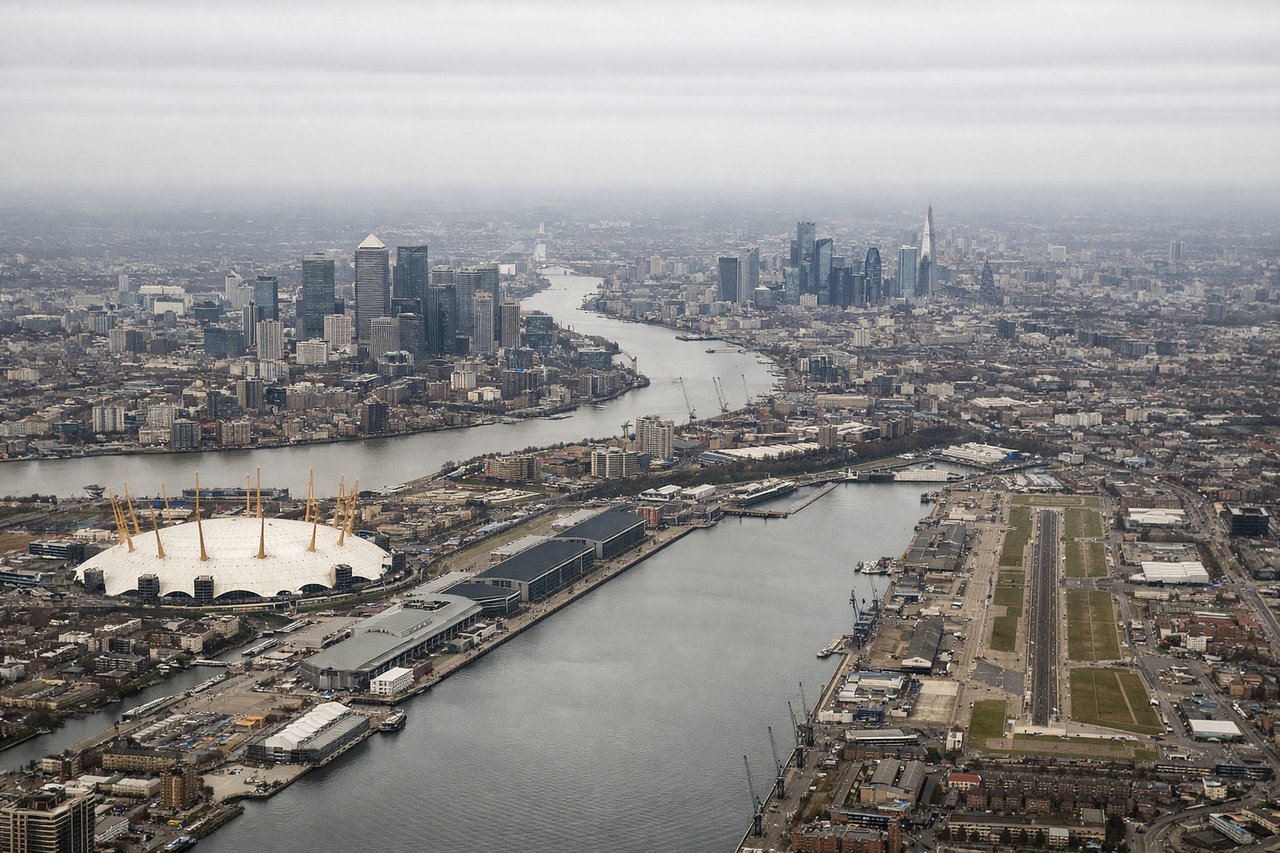
Takeoff from LCY
RIGHTRight-side seats offer views of the Thames estuary and North Sea coastline during the initial climb-out eastward from London City Airport. The river's distinctive meandering pattern and the contrast between urban London and open water provide compelling visual interest in the first 10-15 minutes of flight.
Landing at GCM
LEFTLeft-side seats provide the best views during descent into Owen Roberts International. You'll see the Cayman Islands' distinctive turquoise shallow waters, coral reefs, and the island's compact geography. The contrast between the deep blue ocean and the pale turquoise lagoons is striking from altitude.
Will your flight be in sunlight?
Pick a date and time in the Sun Map to watch the sun move across your whole flight.
About This Route
Which side of the plane should I sit on flying from City (LCY) to Owen Roberts International (GCM)?
Sit on the Left side of the plane for the best views on flights from London to Georgetown. While takeoff offers Thames estuary views, the landing approach into the Cayman Islands provides far more dramatic and visually distinctive scenery—the turquoise Caribbean waters and coral reef systems are among the most striking aerial views on any transatlantic route. Left-side seats capture this highlight.
What can I see during takeoff from City in London?
During takeoff from City (LCY), sit on the Right side for the best views. Right-side seats offer views of the Thames estuary and North Sea coastline during the initial climb-out eastward from London City Airport. The river's distinctive meandering pattern and the contrast between urban London and open water provide compelling visual interest in the first 10-15 minutes of flight. Notable sights include: Thames estuary, North Sea coastline, Greater London urban sprawl, Essex marshlands.
What can I see when landing at Owen Roberts International in Georgetown?
When landing at Owen Roberts International (GCM), sit on the Left side for the best views. Left-side seats provide the best views during descent into Owen Roberts International. You'll see the Cayman Islands' distinctive turquoise shallow waters, coral reefs, and the island's compact geography. The contrast between the deep blue ocean and the pale turquoise lagoons is striking from altitude. Notable sights include: Caribbean Sea, Seven Mile Beach, Grand Cayman's turquoise lagoons and coral reefs, George Town harbor.
How long is the flight from London to Georgetown?
The flight from City (LCY) to Owen Roberts International (GCM) takes about 8 hours 45 minutes. The shortest flight path between them is 4,818 miles (7,755 km); winds and air traffic control usually add a few percent.
What does the London to Georgetown flight path pass over?
The flight path crosses the Atlantic Ocean for approximately 7 hours with no significant landmarks visible—only open ocean. The North Atlantic typically shows cloud formations and occasionally the western coast of Ireland or the Azores region depending on routing, but these are often obscured by weather. The approach to the Caribbean brings the first land sighting of the Bahamas or Turks and Caicos islands before reaching the Cayman Islands.