Left side scores higher due to superior takeoff scenery (Thames estuary, London's urban landmarks, Kent coastline) and dramatic volcanic landing views of Gran Canaria's interior. Right side is dominated by 5+ hours of open Atlantic Ocean with minimal visual interest, capping at 2.0 maximum. The left side offers genuine variety and recognizable landmarks throughout the flight.
Flight Path
Bay of Biscay (open ocean, no landmarks), Iberian Peninsula's western coast near Portugal (distant, not directly overflown on typical routing), approaching Gran Canaria from the northeast with views of the island's volcanic topography and surrounding Atlantic waters
Great circle distance and headings ›.jpeg?width=600)


Phase by phase
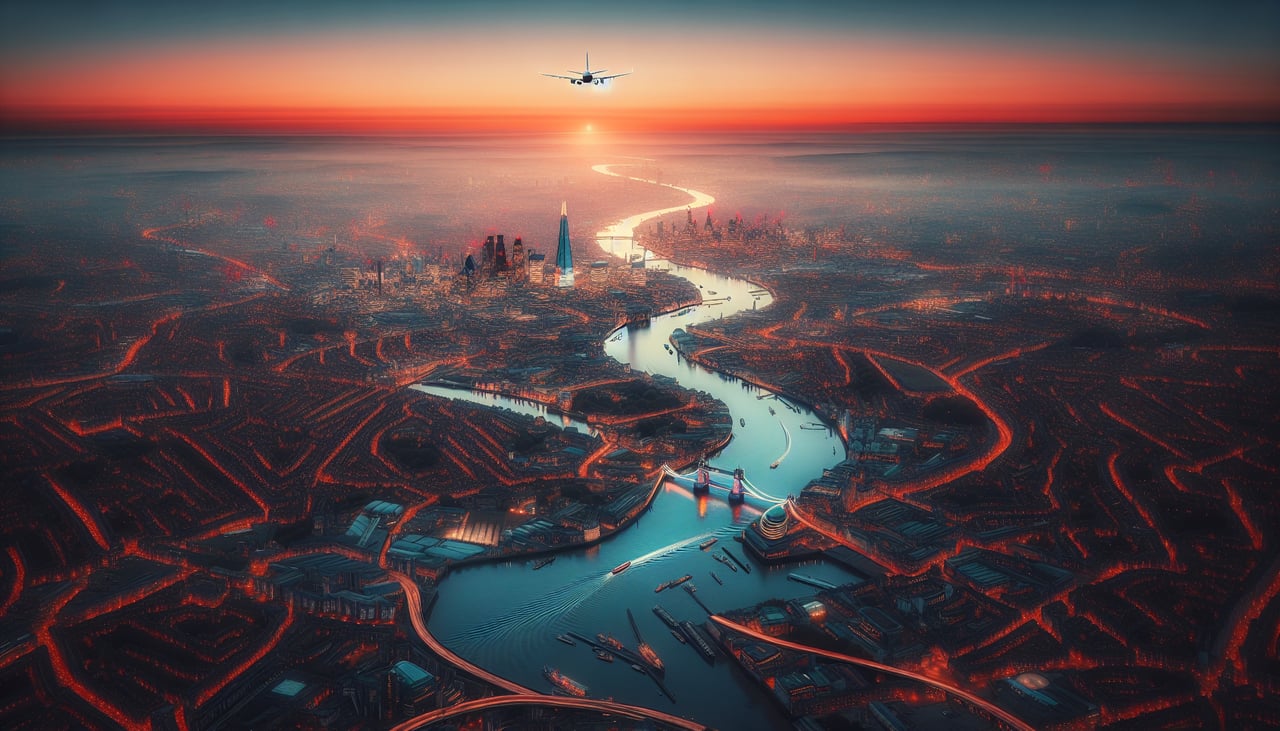
Takeoff from LCY
LEFTLeft side captures the Thames estuary, London's urban sprawl, and the Kent coastline during climb-out. Right side faces inland toward the Midlands—flat, featureless terrain with no dramatic features.
Landing at LPA
LEFTLeft side offers the dramatic volcanic landscape of Gran Canaria's interior and the island's rugged northern coast. Right side faces the Atlantic—open ocean with no distinctive features for the final 30 minutes of descent.
Landmarks on this routeAll landmarks →
Will your flight be in sunlight?
See exactly which side of the plane gets sun and shade at your departure time.
About This Route
Which side of the plane should I sit on flying from City (LCY) to Gran Canaria (LPA)?
Sit on the Left side of the plane for the best views on flights from London to Gran Canaria. Left side scores higher due to superior takeoff scenery (Thames estuary, London's urban landmarks, Kent coastline) and dramatic volcanic landing views of Gran Canaria's interior. Right side is dominated by 5+ hours of open Atlantic Ocean with minimal visual interest, capping at 2.0 maximum. The left side offers genuine variety and recognizable landmarks throughout the flight.
What can I see during takeoff from City in London?
During takeoff from City (LCY), sit on the Left side for the best views. Left side captures the Thames estuary, London's urban sprawl, and the Kent coastline during climb-out. Right side faces inland toward the Midlands—flat, featureless terrain with no dramatic features. Notable sights include: Thames estuary and its meandering channels, London's dense urban grid and landmarks (Tower Bridge, Canary Wharf visible at altitude), Kent coastline and white cliffs near Dover.
What can I see when landing at Gran Canaria in Gran Canaria?
When landing at Gran Canaria (LPA), sit on the Left side for the best views. Left side offers the dramatic volcanic landscape of Gran Canaria's interior and the island's rugged northern coast. Right side faces the Atlantic—open ocean with no distinctive features for the final 30 minutes of descent. Notable sights include: Gran Canaria's volcanic peaks and ridges (Pico de las Nieves visible from altitude), the island's steep ravines and barrancos, Las Palmas city and harbor on the northern coast.
How long is the flight from London to Gran Canaria?
The flight from City (LCY) to Gran Canaria (LPA) takes 4h 50m.
What does the London to Gran Canaria flight path pass over?
Bay of Biscay (open ocean, no landmarks), Iberian Peninsula's western coast near Portugal (distant, not directly overflown on typical routing), approaching Gran Canaria from the northeast with views of the island's volcanic topography and surrounding Atlantic waters