While takeoff offers good Thames views on the right, the landing approach into Oslo provides more dramatic and sustained geography—the Oslofjord, Oslo's urban landscape, and the Marka forest are all visually distinctive. Left-side seats capture the most memorable portion of this route.
Flown LCY to OSL? Did we get it right?
Flight Path
London to Oslo is 735 miles (1,184 km), a flight of about 1 hour 45 minutes.
The flight path crosses the North Sea at altitude, passing over open water with no significant landmarks visible for roughly 45 minutes. The Skagerrak strait (between Denmark and Norway) may be visible as a water transition zone. As the aircraft approaches the Norwegian coast, the Oslofjord inlet becomes visible, followed by the forested interior and the approach to Gardermoen.
Great circle distance and headings ›

Phase by phase
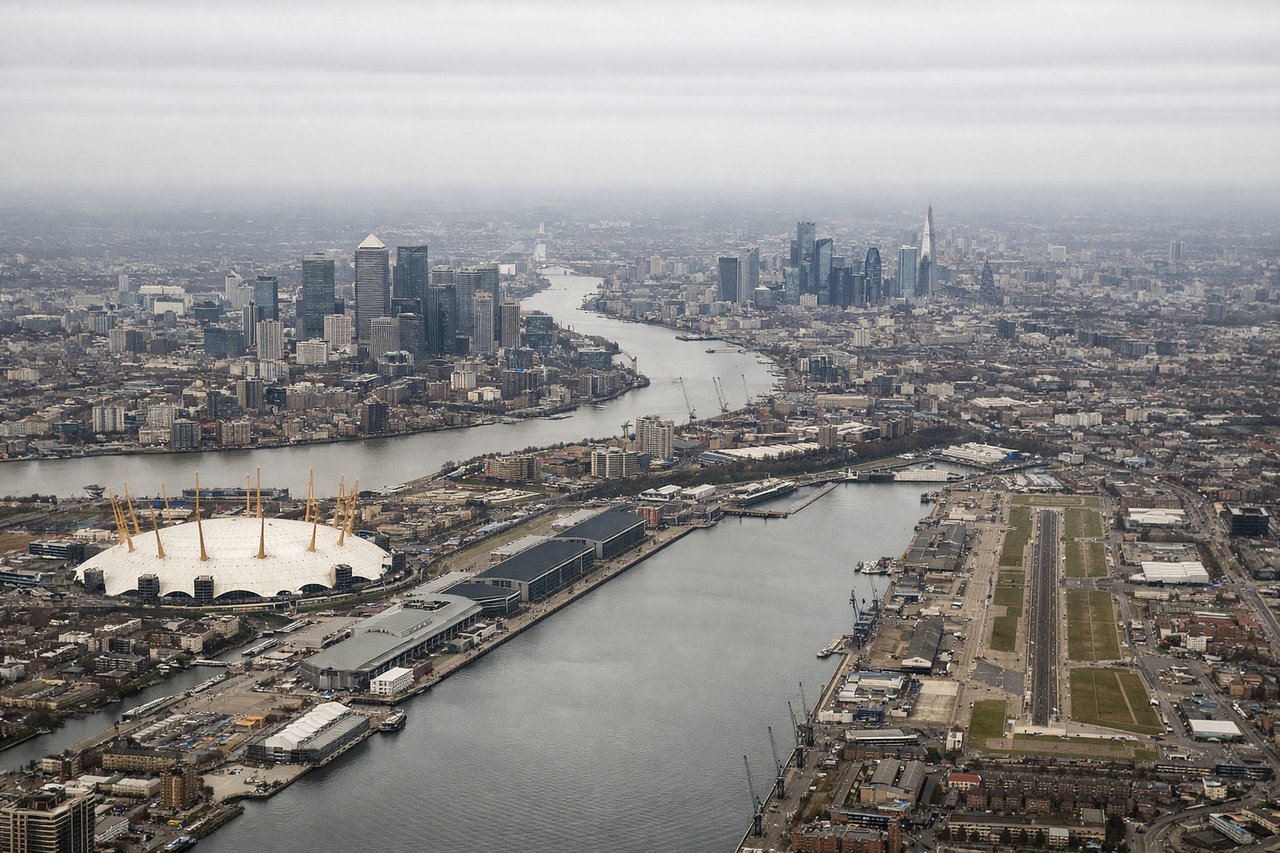
Takeoff from LCY
RIGHTRight-side seats capture the Thames estuary and North Sea coast during the initial climb-out. LCY typically departs eastward (Runway 27 or occasionally 09), and right-side views show the river's distinctive meanders and the Essex marshlands spreading toward the horizon.
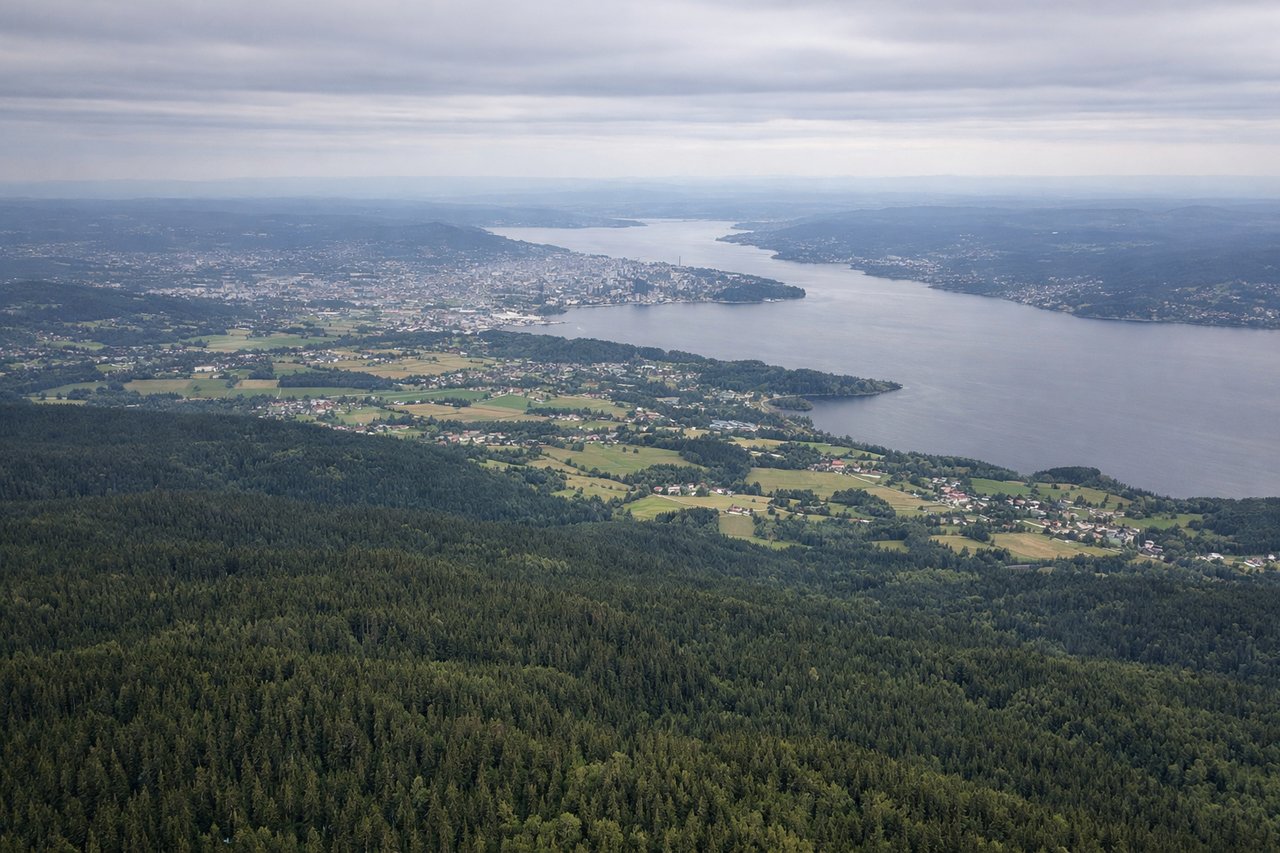
Landing at OSL
LEFTLeft-side seats offer the best views during descent into Oslo Gardermoen. The approach typically comes from the south or southwest, and left-side passengers see the Oslofjord's dramatic geography, the city of Oslo itself, and the forested terrain surrounding the airport.
Will your flight be in sunlight?
Pick a date and time in the Sun Map to watch the sun move across your whole flight.
About This Route
Which side of the plane should I sit on flying from City (LCY) to Oslo Gardermoen (OSL)?
Sit on the Left side of the plane for the best views on flights from London to Oslo. While takeoff offers good Thames views on the right, the landing approach into Oslo provides more dramatic and sustained geography—the Oslofjord, Oslo's urban landscape, and the Marka forest are all visually distinctive. Left-side seats capture the most memorable portion of this route.
What can I see during takeoff from City in London?
During takeoff from City (LCY), sit on the Right side for the best views. Right-side seats capture the Thames estuary and North Sea coast during the initial climb-out. LCY typically departs eastward (Runway 27 or occasionally 09), and right-side views show the river's distinctive meanders and the Essex marshlands spreading toward the horizon. Notable sights include: River Thames (immediate foreground, snaking through East London), Canary Wharf and Isle of Dogs (left side, receding), North Sea coast near Southend-on-Sea (distant right horizon), Essex wetlands and creeks (right, middle distance).
What can I see when landing at Oslo Gardermoen in Oslo?
When landing at Oslo Gardermoen (OSL), sit on the Left side for the best views. Left-side seats offer the best views during descent into Oslo Gardermoen. The approach typically comes from the south or southwest, and left-side passengers see the Oslofjord's dramatic geography, the city of Oslo itself, and the forested terrain surrounding the airport. Notable sights include: Oslofjord (left side, water visible with islands), Oslo city center and harbor (left-center, receding), Marka forest belt (right and foreground, dense green), Gardermoen plateau terrain (right, relatively flat).
How long is the flight from London to Oslo?
The flight from City (LCY) to Oslo Gardermoen (OSL) takes about 1 hour 45 minutes. The shortest flight path between them is 735 miles (1,184 km); winds and air traffic control usually add a few percent.
What does the London to Oslo flight path pass over?
The flight path crosses the North Sea at altitude, passing over open water with no significant landmarks visible for roughly 45 minutes. The Skagerrak strait (between Denmark and Norway) may be visible as a water transition zone. As the aircraft approaches the Norwegian coast, the Oslofjord inlet becomes visible, followed by the forested interior and the approach to Gardermoen.